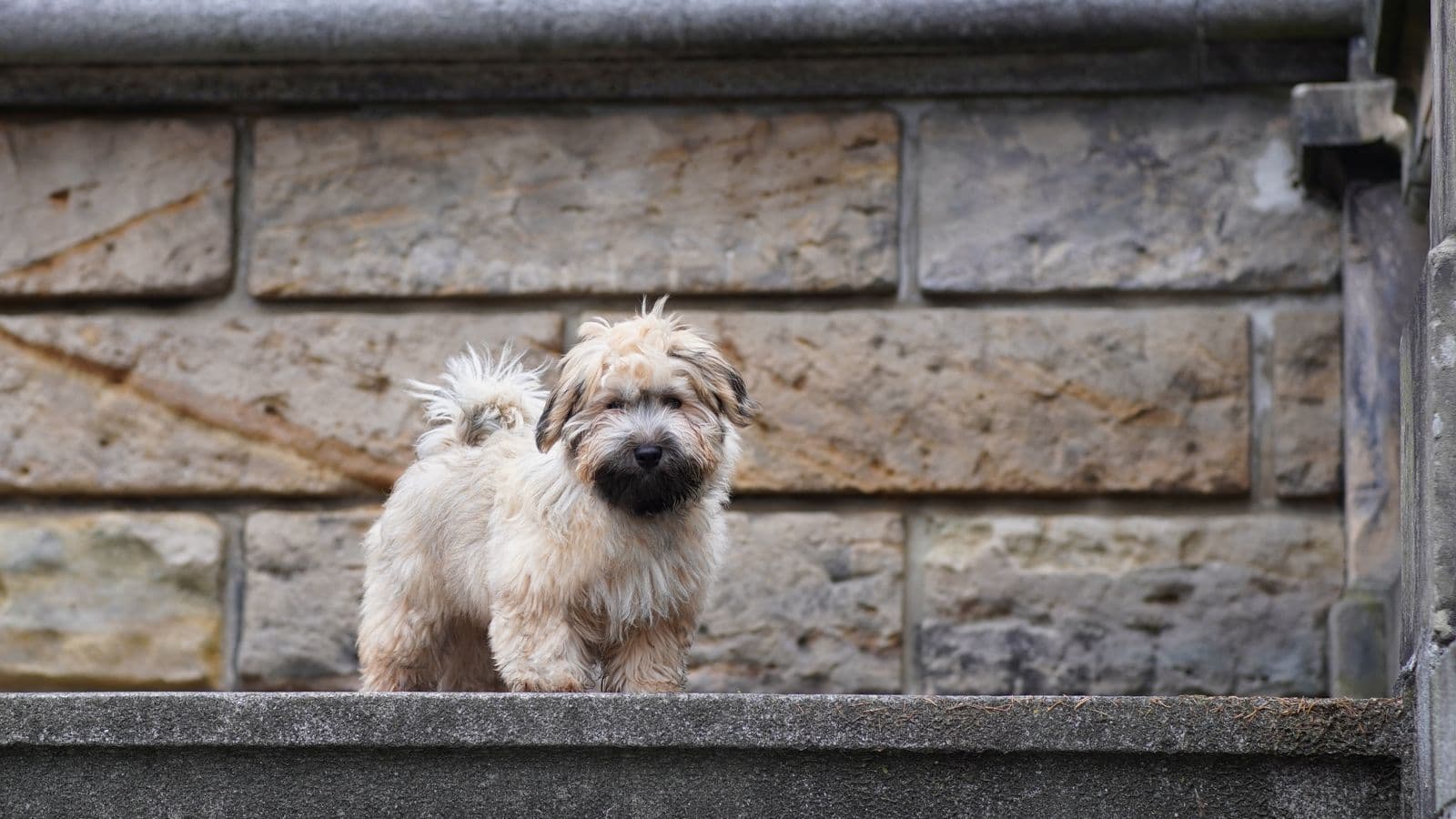
The Havanese is the national dog of Cuba. It is a cheerful, silky-coated companion breed that grew up in Havana as the favorite lapdog of the island's upper class. It was bred just to be a companion, and it was once a popular circus and trick dog. Today it is bright, playful, and loves people, happiest at the center of family life and entertaining its owners. It is one of the more trainable toy breeds, with a clownish, loving charm that has made it more popular worldwide.
That bright, people-loving nature is the key to training one. The Havanese is smart and eager to please, so it does well with reward-based training and is great at tricks, much more trainable than most toy breeds. Two things need extra planning: house-training can be slow, and this breed's deep love of company puts it at real risk for separation anxiety. It is also sensitive, so being harsh backfires fast. Lean on its eagerness to please, be patient with house-training, and build independence early, and you get a lovely, well-mannered companion. Coddle it and skip the independence work, though, and you risk a clingy dog that barks too much.
This guide covers what works with a Havanese, week by week, built around how a bright, attached companion dog actually learns.
At a glance:
- Trainability: 8/10, unusually biddable for a toy companion breed
- Biggest risk factor: separation anxiety, bred purely to be a constant companion
- House-training: can be slow, small bladder means a strict schedule matters
- Example: a Havanese treated as a lap ornament instead of a real dog often becomes clingy and barky, not because it's difficult, because it's under-trained
- Not for: owners who won't commit to independence training early
What Makes Training a Havanese Different
Four breed traits shape your approach.
1. Smart and eager to please. For a toy breed, the Havanese is genuinely clever and wants to make you happy. It learns fast and loves trick training. This is a real plus. Lean into it with reward-based methods, and give this bright dog the mental work it craves.
2. Real risk of separation anxiety. The Havanese was bred to be a constant companion, and it bonds hard. That means it can struggle when left alone. Gentle independence training from day one is the best way to prevent this, since separation anxiety is much easier to stop before it starts than to fix later.
3. Slow to house-train. Like many small breeds, the Havanese has a small bladder and can take a while to house-train. A strict, steady schedule plus patient, reward-based methods, no scolding, get you there.
4. Sensitive, and sometimes barks a lot. The Havanese picks up on your mood and shuts down under harsh treatment, so keep training gentle and upbeat. It may also bark for attention or when excited. This is easy to manage with early "quiet" training and enough engagement.
Week-by-Week Training Plan for Your Havanese
Below is the framework we use at TailorPup for a Havanese-specific 12-week plan. Run it at home; the order and emphasis are the point.
Weeks 1 and 2 : Foundation, Socialization, and Independence
Engagement is easy with this eager breed. Run three to four short sessions a day with high-value rewards, socialize broadly, and crucially begin gentle independence training immediately, with short calm absences and a settle spot. Start house-training on a strict schedule from day one. Our puppy basics guide covers the foundations.
Weeks 3 and 4 : Core Commands and Tricks
Havanese learn fast. Lure sit, down, and stay, mark, and reward, adding cues once reliable, then add trick training, which this clever, clownish breed adores and which provides excellent mental work.
Weeks 5 and 6 : Leash Work and House-Training
Use a light harness and stop-and-stand for any pulling; the Havanese rarely pulls hard. Keep house-training patient and consistent, rewarding every success outdoors generously and avoiding all scolding for accidents, since the breed can be slow here.
Weeks 7 and 8 : Separation Anxiety Prevention
Deepen the independence work, the breed-critical phase. Practice graduated departures, build alone time slowly, keep comings and goings low-key, and leave the dog something good to do. If distress is appearing, our separation anxiety guide lays out the protocol.
Weeks 9 and 10 : Recall, Quiet, and Mental Work
Build recall indoors and in fenced areas, paying every success well. Shape quiet if the Havanese barks for attention, rewarding calm and managing triggers, and channel the breed's intelligence with tricks and puzzles. See our barking guide if needed.
Weeks 11 and 12 : Generalization
Prove the skills in the real world: calm leash walking past distractions, commands in busier places, settled behavior, and continued alone-time practice. These last two weeks are about consistency and proofing the independence, house-training, and recall rather than new skills.
Common Havanese Training Mistakes
Three mistakes show up repeatedly with this breed.
Mistake 1 : Skipping independence training. Because the Havanese loves company so much, owners who keep it constantly attached risk creating separation anxiety. Build gentle alone-time tolerance from the first week, before there is a problem.
Mistake 2 : Coddling instead of training. The Havanese is genuinely trainable, and treating it as a passive lap ornament wastes that and can encourage clinginess and attention-barking. Give it real training, tricks, and gentle structure.
Mistake 3 : Losing patience with house-training or using harshness. The breed can be slow to house-train, and scolding makes it worse, while harshness shuts the sensitive dog down. Keep house-training patient and all training reward-based. The full list is in our Havanese training mistakes guide.
Frequently Asked Questions
Are Havanese easy to train ? Yes, unusually so for a toy companion breed. They are intelligent and eager to please, so reward-based training is fast and enjoyable, and they love tricks. The main challenges are slow house-training and preventing separation anxiety rather than the learning itself.
Do Havanese get separation anxiety ? They can, because they bond so closely and were bred purely as companions. Early, consistent independence training prevents most cases, and the breed does best in homes where it is not left alone for long stretches.
Why is house-training my Havanese so hard ? Small breeds have small bladders, so progress can be slow. A strict schedule, frequent opportunities, and patient reward-based methods, without scolding, are what get you there. Many Havanese take longer than larger breeds.
How much exercise does a Havanese need ? Around 30 to 45 minutes of activity daily plus play and mental work. The breed is moderate-energy and adaptable, happy in apartments, but it still benefits from daily walks, games, and training, and it enjoys learning.
Are Havanese hypoallergenic ? The silky, low-shedding coat is often tolerated by allergy sufferers, though no dog is truly hypoallergenic. The coat needs regular brushing and grooming to prevent matting.
Is positive reinforcement effective for Havanese ? Yes, ideally. The intelligent, sensitive, eager breed thrives on reward-based training and trick work, while harsh handling creates anxiety and undermines the cheerful temperament.
Are Havanese good family dogs ? Excellent ones. They are cheerful, affectionate, and great with children and other pets, with a sociable, clownish nature. They thrive when included in family life and given gentle independence training to balance their love of company.
Why TailorPup Was Built for the Havanese
A generic plan ignores what really matters with this breed: its genuine trainability, slow house-training, and the separation-anxiety risk that comes with a dog bred purely for companionship. That mismatch is why standard advice can leave Havanese owners with an under-trained or anxious dog.
TailorPup builds a 12-week plan around your specific dog: its companion nature, its age, and the behaviors you are seeing. For a Havanese that means leaning on its biddability with trick work, front-loaded independence training, a patient house-training schedule, and gentle reward-based methods.
Daily 12-minute sessions plus weekly adjustments based on your dog's progress. Plans from $9.99/month, no trial; annual starts at $2 for 7 days. Cancel anytime.
Related: Havanese Training Mistakes · Recall Training · Puppy Training Basics · Barking Solutions