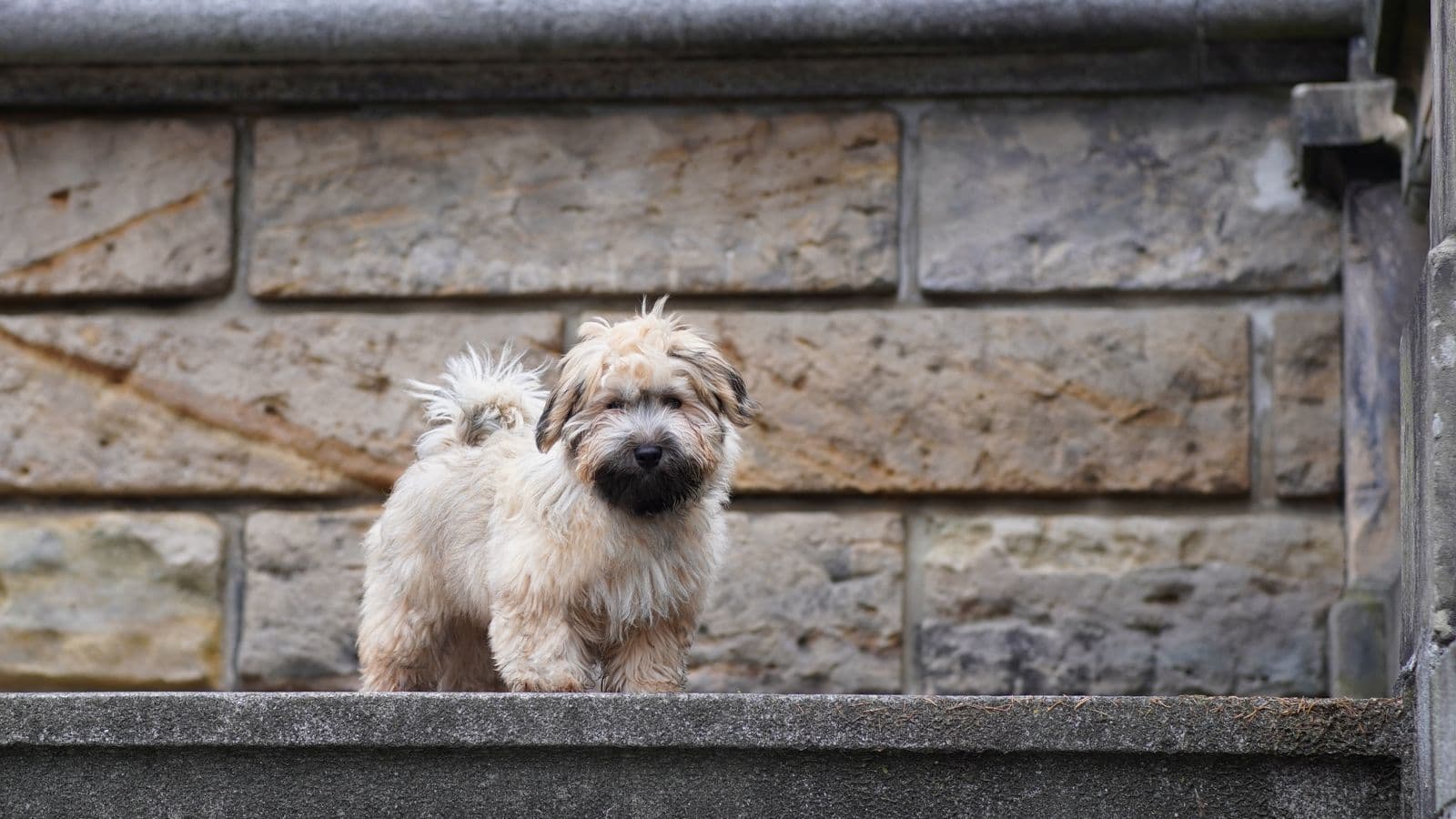
The Havanese is one of the most trainable toy breeds, cheerful, smart, and genuinely eager to please, the national dog of Cuba bred purely for companionship. That bright, biddable nature makes it a joy to train, but its intense bond with people is also where most problems start, alongside the house-training challenges common to tiny breeds. Almost every Havanese issue comes from that deep attachment or from under-engaging a clever little mind. Here are the six mistakes that cause the most trouble, and what to do instead.
1. Skipping independence training
This is the breed's biggest risk. Bred for constant companionship, the Havanese is genuinely prone to separation anxiety, and without early independence work many develop real distress when left alone. Owners who keep it constantly at their side create the problem. Start independence training in puppyhood, calm alone time gradually extended, building tolerance before the attachment hardens into anxiety.
2. Giving up on house training
Small bladders make house training slower than for big breeds, and owners who are not consistent never get reliable results. The dog can learn with structure. Hold a strict schedule, reward every success heavily, clean up accidents calmly over four to six months, and use indoor pads as a reasonable backup, giving the process the patience a small dog needs.
3. Long daily isolation
The companion-bred Havanese genuinely struggles alone, and leaving it isolated all day fights its nature and fuels anxiety. Owners with long absences and no plan create real distress. The breed suits homes where it is not left alone for long periods, so arrange company, enrichment, and gradual alone-time training rather than expecting this attachment-driven dog to cope with long solitary stretches.
4. Under-using their intelligence
Havanese are smart and love learning, and a bored one becomes barky or develops attention-seeking behaviors. Owners who treat it as a passive lapdog leave the clever mind unoccupied. Provide trick training, puzzle feeders, and interactive play to engage the mind, and the same dog stays content and well-behaved, because the intelligence thrives on having something real to do.
5. Harsh handling
The gentle, sensitive Havanese is damaged by corrections and thrives on positive interaction, shutting down under harshness. Owners who try to be firm misjudge a soft-natured dog. Reward-based training is both more effective and what the breed needs, so keep your tone warm, make cooperation rewarding, and never use harshness on a dog this emotionally responsive.
6. Allowing demand behaviors
The cheerful, people-focused Havanese will demand attention if those demands are rewarded, quickly becoming pushy. Owners who give in to every fuss reinforce it. Do not reinforce demand barking or pestering; reward calm behavior instead, ask for a simple behavior before giving attention, and the same sweet dog stays well-mannered rather than demanding.
What this looks like at home
The scene. You leave for a twenty-minute errand and come back to a Havanese that has been at the door the whole time, followed by a puddle by the sofa. Nothing was "naughty": a dog bred for constant company, with a small bladder, did what it was set up to do.
What to do instead. Practice leaving in tiny steps: step out for ten seconds, return calm, then build to minutes before you ever do an errand. Pair every departure with a chew or a food puzzle that only appears when you go. For house training, keep a written schedule for two weeks (after waking, meals, play, naps) and reward outdoors within three seconds. Offer one new trick a week, because a bored Havanese will invent its own games, usually involving your shoes.
What works with Havanese
Front-load independence training, be patient and consistent with house training, avoid long isolation, engage the bright mind, use gentle methods, and do not reward demands. The common thread is managing a clever, deeply bonded companion: build independence, keep the dog included and engaged, and pair affection with structure, and the Havanese is a delightful, well-mannered, devoted companion.
TailorPup's Havanese plan front-loads independence training, includes a house-training protocol, and channels the breed's trainability into engaging sessions.
Start your Havanese's plan at tailorpup.com →
Related: How to Train a Havanese · Recall Training · Barking Solutions