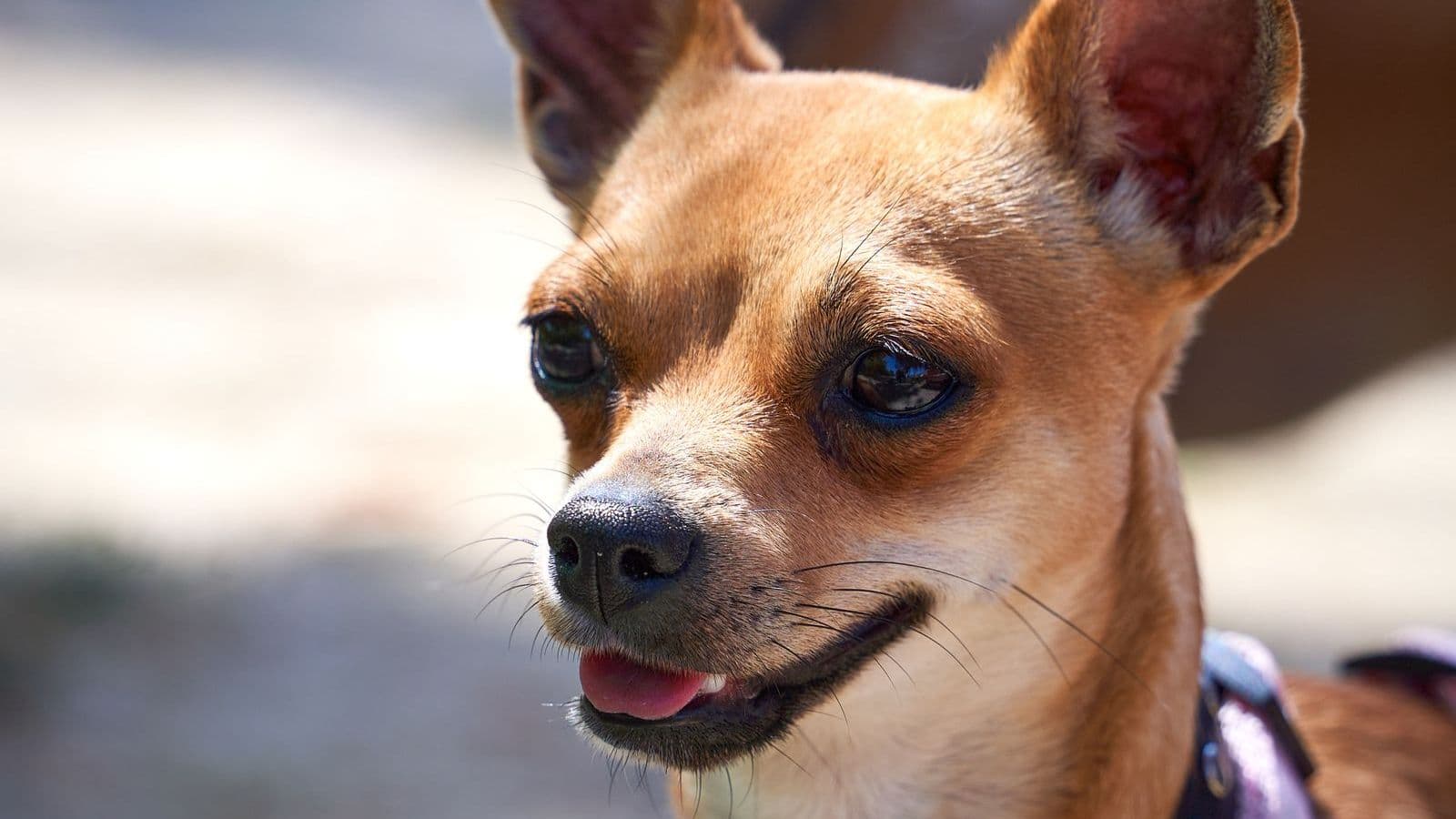
The Chihuahua is the smallest dog breed in the world. It comes from the Techichi, a companion dog kept by the Toltec people in Mexico over a thousand years ago. This tiny dog has a huge personality: confident, alert, fiercely loyal, and sure it's much bigger than it is. That confidence, plus how people tend to handle small dogs, gives the breed its reputation for snapping, yapping, and being hard to train.
None of that has to be true. A well-socialized, well-trained Chihuahua is confident and well-mannered. The "mean Chihuahua" stereotype comes almost entirely from how the dog is raised, not how it's built. Here's how to do it right.
At a glance:
- Trainability: 6/10, sharp and food-motivated, most problems are owner-made
- Biggest risk factor: small dog syndrome, constant carrying and no real training builds a defensive adult
- House-training note: tiny bladder plus cold-weather reluctance means 4-6 months is realistic
- Example: a Chihuahua carried everywhere instead of walked never learns to navigate the world, which fuels the fear behind snapping
- Not for: owners planning to treat it as an accessory rather than a real dog
What Makes Training a Chihuahua Different
1. Small dog syndrome comes from owners, not the dog. A reactive, defensive, barky Chihuahua is usually the result of too little socializing, being carried everywhere, and getting away with things a bigger dog never could. Treat your Chihuahua like a real dog with real training, and you'll prevent almost all of this.
2. Their fear makes sense. A 4-pound dog lives in a world of giants. Everything looks bigger and maybe dangerous. Left untreated, this fear turns into defensive aggression, like snapping or growling. Socializing the dog and building its confidence fix this.
3. House-training really is harder. Tiny bladders mean Chihuahuas need to go more often. Cold weather makes them not want to go outside. So house-training takes longer than with bigger breeds and needs more patience.
4. Their bodies are fragile. Chihuahuas have delicate bones and a soft spot on the skull (called a molera) that sometimes never fully closes. They can get hurt easily from jumping or rough handling. Training methods need to account for this.
Are Chihuahuas Easy to Train ?
Moderately, and far more than the stereotype suggests. Chihuahuas score 6/10 on our trainability index : sharp little dogs whose training problems are almost always human-made, under-socialization, constant carrying, and laughed-off bad habits.
- What is easy : tricks and cues at home, the Chihuahua brain is quick and food works.
- What takes patience : house training (tiny bladder, weather opinions, 4-6 months realistically) and confidence-building in the world.
- The catch : treat it like a real dog. Walked, socialized, and trained, a Chihuahua is confident and capable; pampered and carried, it becomes the snappy caricature.
The four-pound student is fine. The training program around it is what usually fails.
Week-by-Week Training Plan for Your Chihuahua
Weeks 1 and 2 : Confidence and Socialization
This is the most important phase for the breed. Under-socialized Chihuahuas become fearful, defensive adults. The critical window closes at 16 weeks.
- 5-minute sessions, 3-4 times per day in a quiet, calm environment.
- Build confidence: let the Chihuahua explore at their own pace. Never force interactions.
- Controlled socialization: friendly people, calm vaccinated dogs, varied surfaces, gentle sounds. Carry the puppy in public if vaccination is incomplete.
- Use tiny high-value treats. Chihuahuas fill up fast, so treats must be very small.
Weeks 3 and 4 : Sit, Down, Stay
Chihuahuas learn commands well when motivated. Use a calm, quiet tone, the breed is sensitive to loud voices.
- Sit : lure, mark, reward. Add verbal cue after 15 reps.
- Down : from sit, lure to floor. Reward partial progress.
- Stay : start at 2 seconds, build to 30 seconds. Practice on the floor, not while holding the dog.
Important: train on the floor, at the dog's level, not on your lap or a table. The Chihuahua needs to learn that commands apply on the ground where they live.
Weeks 5 and 6 : House Training Focus
House training deserves dedicated attention for the breed. Tiny bladders plus cold-weather reluctance make this the hardest part of Chihuahua ownership.
- Consistent schedule: out (or to the pad) every 2 hours, after meals, after naps, after play.
- Heavy reward the instant they eliminate in the right place.
- Many Chihuahua owners use indoor pee pads as backup, particularly in cold climates or apartments.
- Complete silence and calm cleanup for indoor accidents. Never punish, it teaches the dog to hide elimination, making house training harder.
Realistic timeline: 4-6 months for reliable house training. Some Chihuahuas take longer. Patience and consistency win.
Weeks 7 and 8 : Leash Walking
Use a Y-shaped harness, never a collar. Chihuahua tracheas are fragile and collar pressure can cause injury or collapse.
- Stop-and-stand method for any pulling.
- Build up walk duration slowly. Adult Chihuahuas handle 20-30 minutes.
- Many Chihuahuas are nervous outdoors initially. Build confidence with short, positive outings before expecting calm walking.
Weeks 9 and 10 : Barking and Greeting Management
Chihuahuas are alert and vocal. Without management, this becomes nuisance barking.
- Reward voluntary quiet.
- Teach a "quiet" cue with positive methods.
- Manage triggers: block window views, mask sounds.
- Greetings: sit before being petted. No jumping (even tiny dogs shouldn't jump). Four on the floor.
Weeks 11 and 12 : Confidence in Public
Take the skills into varied environments to build a confident adult:
- Calm walking in moderately busy areas
- Sit and down in new locations
- Settling on a mat at quiet cafés
- Neutral responses to strangers and other dogs
Common Chihuahua Training Mistakes
Mistake 1 : Carrying them everywhere. This prevents the dog from learning to navigate the world, fueling fear and reactivity. Let them walk and explore.
Mistake 2 : Allowing aggression because it's "cute." A snapping Chihuahua is practicing aggression. The behavior is identical to a larger dog's, just less dangerous. Address it.
Mistake 3 : Using collars. Trachea fragility makes harnesses essential.
Mistake 4 : Skipping socialization. The single biggest cause of the "mean Chihuahua." Full breakdown: Chihuahua training mistakes.
Frequently Asked Questions
Are Chihuahuas hard to train ? Moderately. The breed is intelligent but sensitive, and house training takes longer than for larger dogs. With patience, consistency, and proper socialization, most owners achieve well-behaved adults. The breed's bad reputation comes from poor raising, not low trainability.
Why is my Chihuahua so aggressive ? Almost always fear-based, rooted in under-socialization. A 4-pound dog in a giant world is genuinely scared, and fear becomes defensive aggression. Socialization, confidence-building, and never forcing interactions address the root cause. Counter-conditioning helps established cases.
How long does it take to house-train a Chihuahua ? 4-6 months for reliable results, sometimes longer. Tiny bladders and cold-weather reluctance make it harder than for larger breeds. Consistency, frequent outings, and heavy rewards for success are essential. Indoor pads are a common backup.
Why does my Chihuahua bark so much ? The breed is alert and vocal by nature. Nuisance barking is usually triggered by fear, territorial response, or attention-seeking. Address triggers, reward quiet, and ensure adequate socialization to reduce fear-based barking. See our barking guide.
Can Chihuahuas be off-leash ? In fenced areas, yes. In open spaces, it's risky, they're small enough to be prey for hawks and other animals, and fragile enough that a startled bolt into traffic is fatal. Use a harness and long line outdoors.
Is positive reinforcement effective for Chihuahuas ? Essential. The breed is sensitive and fear-prone. Harsh methods produce defensive, snappy dogs. Reward-based training with confidence-building is the only approach that produces stable adults.
Should I let my Chihuahua sleep in my bed ? Behaviorally it's fine if you want to, but be aware of two things: injury risk (Chihuahuas can be hurt jumping off beds or rolled on), and that some dogs develop over-attachment. If you do, use a ramp and ensure the dog also has independent resting spots.
Why TailorPup Was Built for Chihuahuas
A generic plan doesn't account for small dog syndrome prevention, the extended house-training timeline, or the fear-based behavior that defines the breed's challenges. TailorPup's Chihuahua plan front-loads socialization and confidence-building, includes a dedicated house-training protocol, and uses appropriate equipment standards.
Daily 12-minute total training time in short blocks. Plans from $9.99/month, no trial; annual starts at $2 for 7 days. Cancel anytime.
Related: Chihuahua Training Mistakes · Recall Training · Barking Solutions · Puppy Training Basics