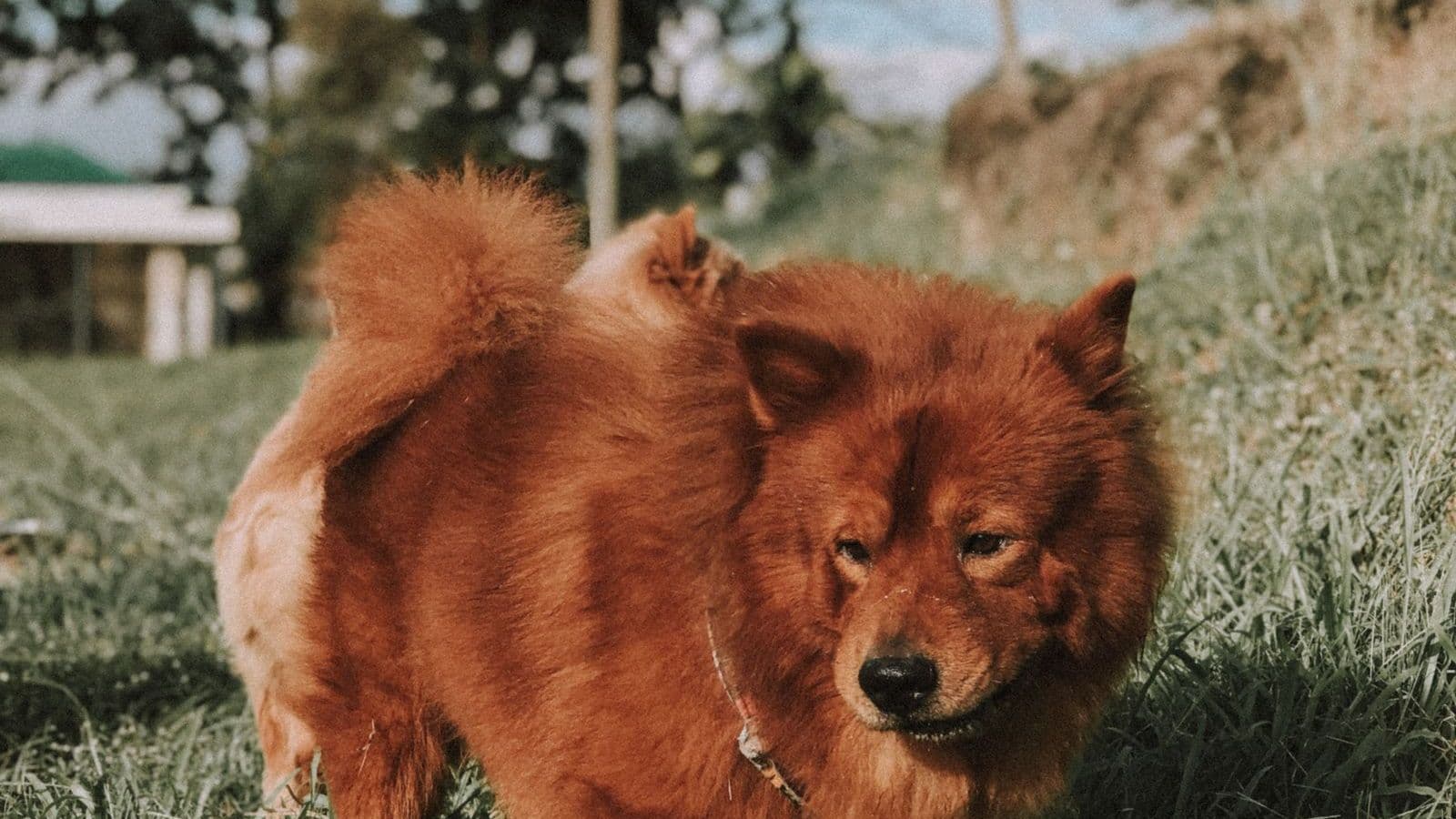
The Chow Chow is one of the most ancient and distinctive breeds in the world, a lion-maned, blue-tongued dog from China that has served as a guardian, hunter, and noble companion for over two thousand years. Dignified, aloof, and famously cat-like, the Chow is unlike the eager, people-pleasing breeds many owners expect: it is independent, reserved, and deeply loyal to its own person while remaining indifferent or wary toward everyone else. It bonds quietly but profoundly, and it carries itself with a serene self-possession that is part of its enduring appeal and a central fact of its training.
That aloof, independent nature is the key to training one, and it is why the Chow has one of the lowest conventional trainability ratings of any breed, not from lack of intelligence but from sheer self-direction. The Chow weighs your requests and frequently declines, it is naturally reserved to the point of guarding, and it is sensitive enough that harsh handling provokes resistance or worse.
Heavy early socialization, calm and patient reward-based training, and realistic expectations are the foundation. Get those right and the Chow is a dignified, devoted, well-mannered companion. Skip the socialization or rely on force, and you get a suspicious, reactive, immovable dog.
This guide covers what works with a Chow, week by week, built around how an aloof, independent, dignified breed actually learns.
At a glance:
- Trainability: 4/10, among the lowest of any breed, from independence, not low intelligence
- Biggest risk factor: under-socialization, it turns natural reserve into real suspicion
- Care note: dense double coat needs regular grooming, and the breed overheats easily
- Example: a Chow asked to repeat a command it already knows often simply walks away, repetition reads as pointless to this breed
- Not for: owners expecting a social, eager-to-please companion
What Makes Training a Chow Different
Four breed traits shape your approach.
1. Aloof and independent. The Chow is self-possessed and cat-like, bonding deeply with one person while remaining indifferent to commands that seem pointless to it. It cooperates for patient, motivating, genuinely rewarding training and an owner it respects, and it ignores drilling and pressure entirely.
2. Naturally reserved and protective. The guardian heritage makes the Chow wary of strangers and territorial. Heavy, early, ongoing socialization is essential to shape that reserve into sound judgment rather than suspicion and reactivity, which is the breed's most common behavior problem.
3. Sensitive beneath the dignity. The Chow does not tolerate harsh handling; it responds with resistance, withdrawal, or defensiveness rather than compliance. Calm, respectful, reward-based training is the only approach that earns its cooperation.
4. Low-energy but stubborn, with a heavy coat. The Chow is calm and low-exercise, but it is strong-willed, so manners and leash habits must be built patiently and early. Its dense double coat needs regular grooming, and the breed is prone to overheating, so handling tolerance and heat care matter.
Week-by-Week Training Plan for Your Chow
Below is the framework we use at TailorPup for a Chow-specific 12-week plan. Run it at home; the order and emphasis are the point.
Weeks 1 and 2 : Foundation and Intensive Socialization
Socialization leads with this aloof, guarding breed. Expose the puppy calmly and positively to many people, places, sounds, and well-controlled dogs. Build engagement with high-value rewards in three to four short daily sessions, and begin gentle grooming desensitization for the heavy coat. Patience and trust come first.
Weeks 3 and 4 : Core Commands
Lure sit and down, mark, reward, and add cues once reliable, expecting an independent learner who needs a real reason to comply. Keep sessions short, motivating, and genuinely rewarding, never repetitive, and end on a success. Drilling simply makes a Chow disengage.
Weeks 5 and 6 : Leash Work and Counter-Conditioning
Use stop-and-stand for pulling and a comfortable harness. Begin counter-conditioning to strangers and dogs so the natural reserve stays discerning rather than reactive, rewarding calm, neutral responses at a distance. Our reactivity guide lays out the method.
Weeks 7 and 8 : Recall and Confidence
Build recall on a long line in low-distraction areas, paying every success well, and never call the dog for anything it dislikes. Keep socializing throughout, rewarding calm responses to new people rather than forcing greetings, to build stable confidence in this reserved breed.
Weeks 9 and 10 : Settling and Grooming
Teach a solid settle behavior, giving the watchful Chow a calm default, especially around visitors. Keep up grooming handling for the dense coat, and manage the dog carefully in heat. A calm, well-handled, well-socialized Chow is a manageable one.
Weeks 11 and 12 : Generalization
Prove the skills in the real world: calm leash walking past distractions, recall in a fenced area, and composed, neutral responses to strangers and dogs. A Chow that is calm at home but reactive outside is only partly trained, and these last two weeks consolidate the socialization and counter-conditioning.
Common Chow Training Mistakes
Three mistakes show up repeatedly with this breed.
Mistake 1 : Under-socializing. This is the critical one. Without heavy, early, ongoing socialization, the Chow's natural reserve becomes suspicion and reactivity toward people and dogs, the breed's most serious and most common problem. Socialization is not optional.
Mistake 2 : Trying to force an aloof, independent dog. Drilling, dragging, or escalating to corrections makes a Chow disengage, resist, or become defensive. The breed responds to patience, motivation, and short rewarding sessions, never to force.
Mistake 3 : Neglecting grooming and heat care. The dense double coat needs regular grooming and the breed overheats easily, and a dog that has not learned to accept handling makes both harder. Desensitize early and manage heat. The full list is in our Chow Chow training mistakes guide.
Frequently Asked Questions
Are Chow Chows easy to train ? No, they are among the more challenging breeds, being aloof and independent. They are intelligent but self-directed, so they need patient, motivating, reward-based training and an owner they respect. Socialization, not obedience, is the real priority.
Why is my Chow Chow so aloof ? Because over two thousand years of breeding made it a dignified, cat-like guardian that bonds deeply with one person and is indifferent to others. The aloofness is core to the breed, not a training failure. Respect it and build trust patiently.
Are Chow Chows aggressive ? They are reserved and protective rather than indiscriminately aggressive, but without heavy socialization that reserve can become suspicion and reactivity. Early, ongoing socialization and calm, reward-based handling are what produce a stable, discerning adult.
How much exercise does a Chow need ? Relatively little: moderate daily walks suit this low-energy breed. Take care in heat, given the dense coat, and use exercise as much for mental engagement and socialization as for physical needs.
Do Chow Chows need a lot of grooming ? Yes. The dense double coat needs regular, thorough brushing to prevent matting, especially during coat changes. Building grooming tolerance early, through positive handling, is an important part of raising the breed.
Is positive reinforcement effective for Chow Chows ? Yes, and it is the only approach that works well. The sensitive, independent breed resists or shuts down under harshness, while patient, motivating, reward-based training earns its cooperation.
Are Chow Chows good family dogs ? Yes, for the right home. They are loyal and devoted to their family, often bonding most with one person, but their aloofness with strangers and potential reactivity mean socialization, calm handling, and supervision around unfamiliar people and children are essential.
Why TailorPup Was Built for Chow Chows
A generic plan ignores what defines this breed: the aloof independence, the guarding reserve, the sensitivity, and the grooming and heat needs. That mismatch is why standard, drill-based advice runs straight into the Chow's self-possession and leaves the socialization gap unaddressed.
TailorPup builds a 12-week plan around your specific dog: its ancient guardian nature, its age, and the behaviors you are seeing. For a Chow that means front-loaded intensive socialization, patient reward-based methods, counter-conditioning for reserve and reactivity, and grooming and heat handling woven into the routine.
Daily 12-minute sessions plus weekly adjustments based on your dog's progress. Plans from $9.99/month, no trial; annual starts at $2 for 7 days. Cancel anytime.
Related: Chow Chow Training Mistakes · Recall Training · Reactivity Training · Leash Pulling