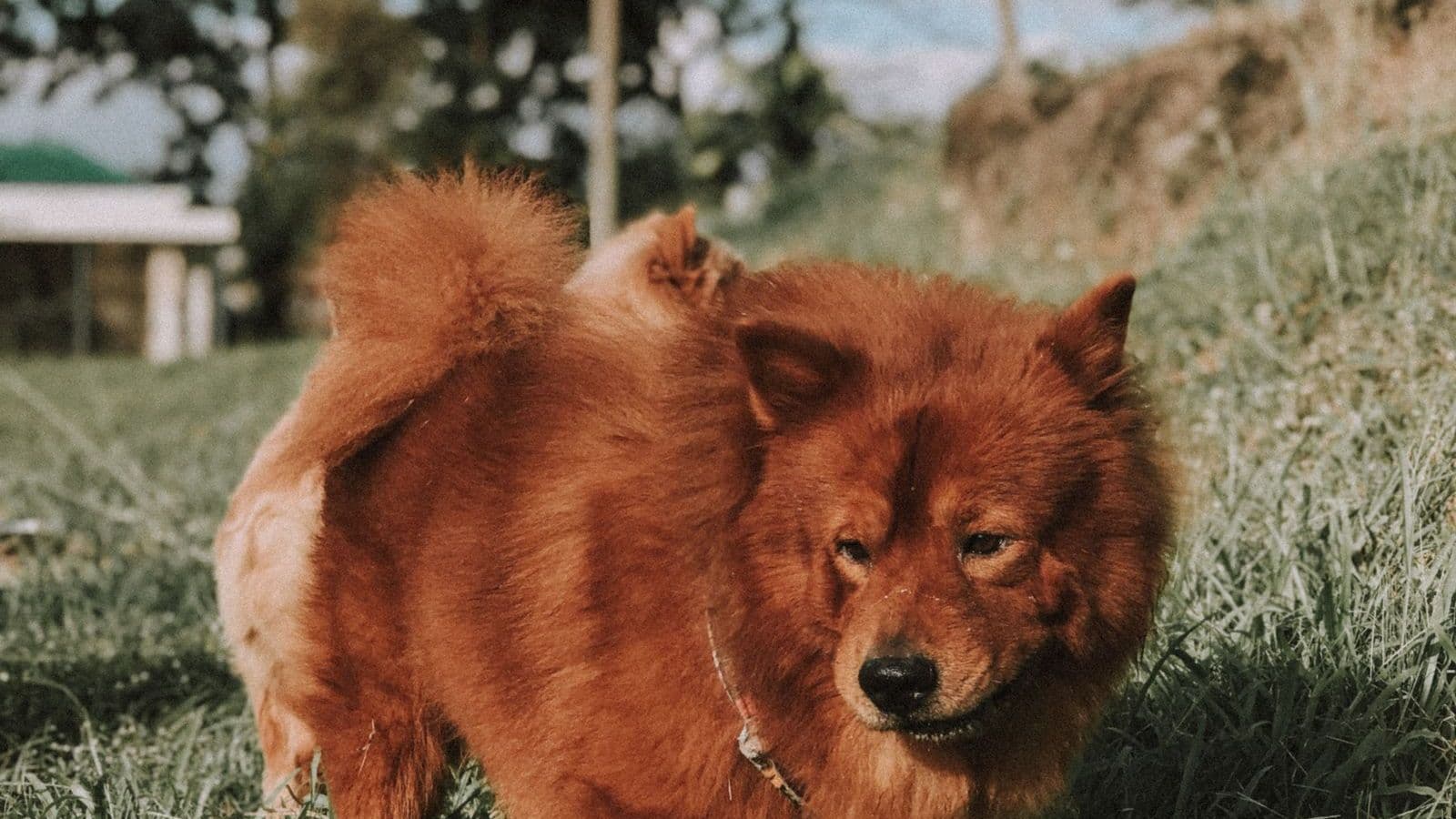
The Chow Chow is an ancient, aloof, dignified Chinese breed with a strong guardian instinct and a famously cat-like independence. It bonds deeply with its own family while remaining reserved and suspicious of outsiders, and because that wariness sits in a powerful dog, training mistakes carry real stakes. Almost every Chow problem comes from under-socializing the guardian or trying to force a fiercely independent dog. Here are the six mistakes that cause the most trouble, and what to do instead.
1. Under-socializing the puppy
This is the most dangerous mistake with a Chow. The guardian instinct and natural wariness curdle into aggression without heavy early socialization, which is serious in a strong, protective breed. Owners who shelter the puppy assume the aloofness is harmless. Socialize intensively during the critical window, maintain it into adulthood, and shape genuine discrimination. See our reactivity guide.
2. Expecting eager obedience
The cat-like, independent Chow complies only when it respects you and sees the point, not simply because you asked. Owners expecting prompt obedience read the self-direction as defiance and push harder, getting nowhere. Adjust your expectations, use good motivation the dog values, and earn cooperation through a respectful relationship rather than demanding reflexive obedience from this dignified breed.
3. Harsh handling
The dignified, sensitive Chow shuts down or genuinely resents harshness, responding to corrections with withdrawal or stubbornness rather than compliance. Owners who try to dominate it damage the bond. Use reward-based methods only, keep your tone calm and respectful, and work with the breed's pride, which is the only approach that reliably earns a Chow's cooperation.
4. Forcing stranger interactions
The Chow is naturally reserved, and owners who push it to greet or be handled by strangers create defensiveness and stress. Forcing greetings backfires with a guardian breed. Respect the reserve: let the Chow approach new people on its own terms, allow strangers to ignore it until it is ready, and never force social contact on a naturally aloof dog.
5. Skipping handling desensitization
The Chow's heavy double coat needs regular grooming, yet the breed dislikes being handled, especially by strangers, and a dog that was never desensitized fights every session. Owners who skip this create stress and resistance. Desensitize the puppy early to grooming and handling, keep sessions short and rewarding, and build acceptance before the coat and vet visits become a battle.
6. Exercising in the heat
The Chow's heavy coat makes it genuinely prone to overheating, and owners who exercise it in warm weather risk dangerous heat stress. The coat that suited cold climates works against the dog in summer. Exercise only in cool conditions, provide shade and water, watch for labored breathing, and never push a heavy-coated dog in heat or humidity.
7. Ignoring body language and boundaries
A reserved dog gives quiet signals when it is uncomfortable, such as turning its head, stiffening or backing away. Learn to read them, give the dog space and teach visitors not to crowd it. Respecting boundaries prevents problems before they start.
A realistic weekly routine
A Chow week should include daily walks at a comfortable pace, two or three short training sessions with food rewards, regular calm exposure to visitors and new places, and gentle grooming practice. Keep routines predictable, avoid exercise in hot weather and reward relaxed behavior around strangers.
What this looks like at home
The scene. A friendly neighbor leans over a Chow Chow to say hello, and the dog stiffens and turns its head away. Next day the dog pants heavily on a warm walk, its thick coat holding the heat.
What to do instead. Respect the reserve. Ask visitors to ignore the dog and let it come when it wants. Begin socialization early with calm, positive exposures at a distance, rewarding relaxed looks at strangers. Handle paws, ears and mouth gently every day with treats, so grooming and vet visits are routine. Walk in the cool hours, give shade and fresh water, and brush the coat often. A Chow responds to patience and clear boundaries, not pressure.
What works with Chows
Socialize heavily and continuously, use motivation suited to the independent breed, use gentle methods, respect the reserve, desensitize handling, and exercise in cool conditions. The common thread is respecting a dignified, independent guardian: socialize intensively, lead with kindness, and honor the aloofness, and the Chow is a dignified, loyal, stable companion.
TailorPup's Chow plan front-loads intensive socialization, uses motivation suited to the independent breed, includes handling desensitization, and sets realistic expectations.
Start your Chow Chow's plan at tailorpup.com →
Related: How to Train a Chow Chow · Reactivity Training · Recall Training