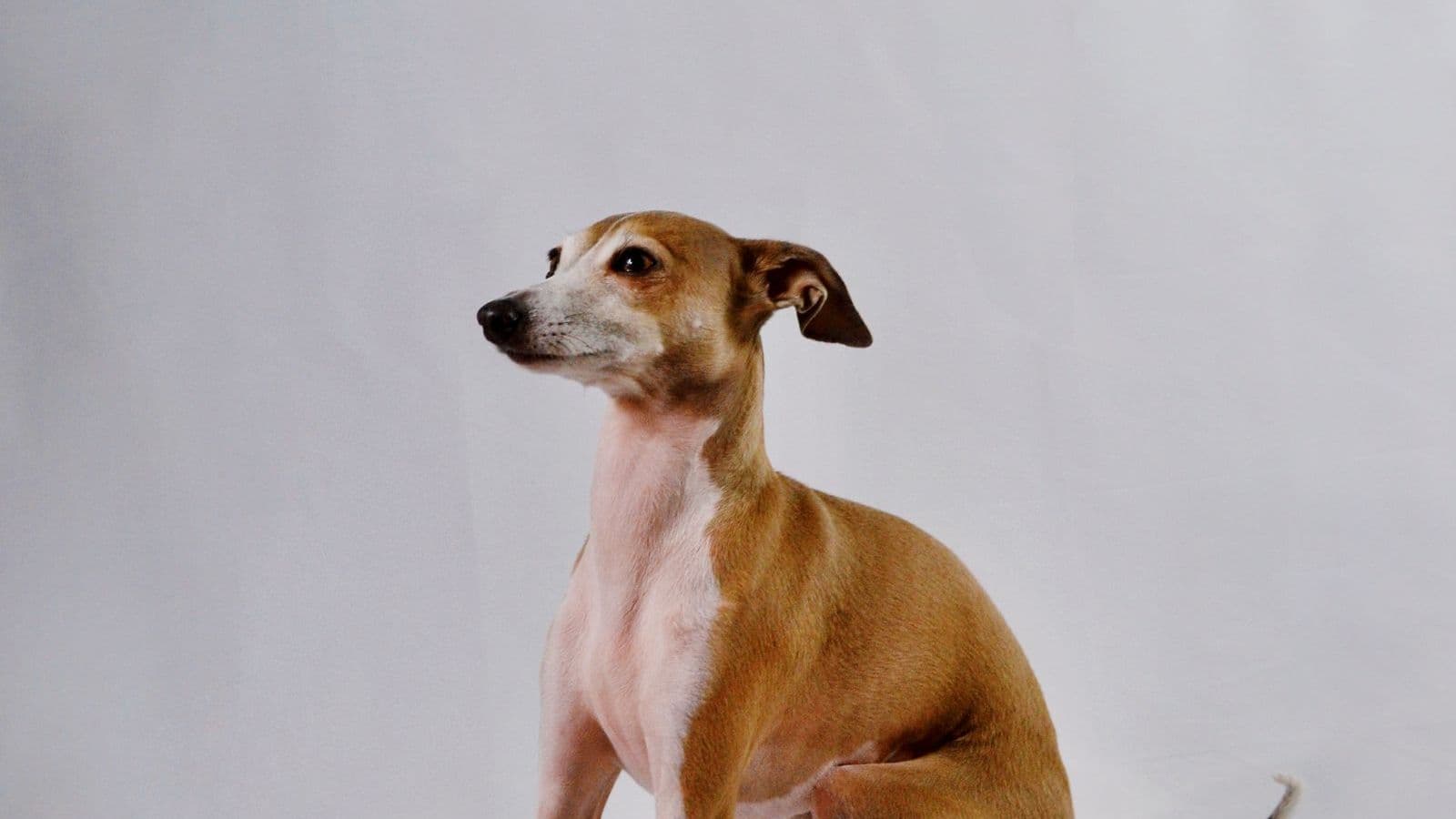
The Italian Greyhound, affectionately called the Iggy, is a sighthound in miniature, an elegant toy breed that has charmed European nobility for thousands of years. Picture a Greyhound shrunk to lap size, with the same slender lines, the same astonishing speed in short bursts, and the same gentle, sensitive soul. The Iggy is devoted, affectionate, and famously bonded to its people, often forming an intense, velcro-like attachment, while retaining the prey drive and the independent streak of its larger sighthound cousins.
It is a delicate, loving, sometimes comical companion that needs handling and training tailored to both its sighthound nature and its fragility.
Three threads run through training an Iggy: its sensitivity, its sighthound instincts, and its fragility. The breed is intelligent but soft and a touch independent, so it shuts down under harshness and cooperates best for gentle, rewarding training. It has a real prey drive and the speed to act on it, which affects recall, and it is famously slow and difficult to house-train. It is also genuinely fragile, with thin legs prone to injury, so management matters. Train gently, be endlessly patient with house-training, manage the prey drive and the fragility, and you get an enchanting, devoted companion. Push it harshly, and it simply withdraws.
This guide covers what works with an Italian Greyhound, week by week, built around how a tiny, sensitive sighthound actually learns.
At a glance:
- Trainability: 5/10, intelligent but soft, so it shuts down under harshness
- Biggest risk factor: fragility, thin legs prone to injury that make management essential
- House-training: famously slow and difficult, needing endless patience
- Example: A raised voice during a correction makes the Iggy withdraw rather than cooperate; a calm, treat-based redo gets the behavior instead.
- Not for: owners who use harsh corrections or households with young, boisterous children
What Makes Training an Iggy Different
Four breed traits shape your approach.
1. Highly sensitive. The Iggy is a soft, emotionally attuned dog that wilts under any harshness. Raised voices, corrections, or pressure shut it down and damage trust. Gentle, warm, reward-based training is the only approach that works, and the breed bonds intensely with its people.
2. Notoriously slow to house-train. This is the Iggy's most famous training challenge. Small bladder, sensitivity, and a dislike of cold and wet weather combine to make house-training genuinely difficult. Patience, a strict schedule, indoor options for bad weather, and zero scolding are essential.
3. A sighthound prey drive and speed. Beneath the toy looks is a true sighthound that will chase small, fast-moving things and can hit surprising speed. Recall around movement is unreliable, and off-leash freedom in unfenced areas is risky for such a small, fast dog.
4. Genuinely fragile. The Iggy's fine bones, especially in the legs, are prone to fractures from jumps and rough play. Use a harness, discourage jumping from height, supervise around children and big dogs, and protect the dog while still treating it as the capable little sighthound it is.
Week-by-Week Training Plan for Your Iggy
Below is the framework we use at TailorPup for an Iggy-specific 12-week plan. Run it at home; the order and emphasis are the point.
Weeks 1 and 2 : Foundation, Socialization, and House-Training
Build engagement with high-value, gentle rewards and socialize broadly so the Iggy stays confident. Run three to four short sessions a day: name, mark eye contact, reward warmly. Start house-training on a strict, patient schedule from day one, including an indoor option for cold or wet weather, which the breed hates. Our puppy basics guide covers the foundations.
Weeks 3 and 4 : Core Commands
Lure sit and down, mark, reward, and add cues once reliable, expecting a sensitive, slightly independent learner. Keep sessions short, gentle, and rewarding, and end on a success so this delicate dog stays confident and willing.
Weeks 5 and 6 : Gentle Leash Work and Handling
Use a light, secure harness, never a collar that can damage a slender neck, and stop-and-stand for any pulling. Teach the dog to wait to be picked up and set down rather than leaping from height, to protect its fragile legs, and build gentle handling tolerance.
Weeks 7 and 8 : House-Training and Recall
Keep house-training consistent and patient, rewarding every success and never punishing accidents. Build recall indoors and in safe, fenced areas, paying well, and be realistic about the prey drive, which makes off-leash recall in open spaces unreliable.
Weeks 9 and 10 : Managing Prey Drive and Fragility
Practice redirecting your Iggy before it locks onto movement, rewarding a glance back at you. Continue protecting the dog from risky jumps and rough play, and give it safe outlets for short bursts of running in a securely fenced space, which the breed loves.
Weeks 11 and 12 : Generalization
Prove the skills in the real world: calm leash walking past distractions, reliable house-training habits, recall in safe areas, and settled, confident behavior. These last two weeks are about patient consistency and proofing the house-training and recall rather than new skills.
Common Iggy Training Mistakes
Three mistakes show up repeatedly with this breed.
Mistake 1 : Losing patience with house-training. The Iggy is one of the harder breeds to house-train, and scolding makes it far worse. A strict schedule, an indoor option for bad weather, patience, and reward-based methods are the only things that work. Accept that it takes time.
Mistake 2 : Using harsh handling. The exquisitely sensitive Iggy shuts down and loses trust under any harshness. Keep every session calm, warm, and reward-based; it is the only approach that brings out a willing, confident dog.
Mistake 3 : Allowing risky jumps and rough play. The breed's fine legs fracture easily. Discourage jumping from furniture, supervise around children and big dogs, and use a harness. The full list is in our Italian Greyhound training mistakes guide.
Frequently Asked Questions
Are Italian Greyhounds easy to train ? They are moderately challenging, being sensitive sighthounds. They are intelligent but soft and a little independent, so they need gentle, rewarding training. House-training in particular is famously difficult and takes real patience.
Why is house-training my Italian Greyhound so hard ? Small bladder, sensitivity, and a strong dislike of cold and wet weather combine to make it one of the harder breeds to house-train. A strict schedule, an indoor potty option for bad weather, patience, and no scolding are essential.
Are Italian Greyhounds fragile ? Yes, genuinely. Their fine bones, especially the legs, are prone to fractures from jumps and rough play. Use a harness, discourage jumping from height, and supervise around children and larger dogs.
Can I let my Italian Greyhound off-leash ? In a securely fenced area, yes, and the breed loves short sprints. In open, unfenced spaces it is risky, because the sighthound prey drive and speed make recall unreliable. Use a long line and secure fencing.
Is positive reinforcement effective for Italian Greyhounds ? It is essential. The sensitive breed shuts down under harshness, while gentle, warm, reward-based training earns cooperation from an otherwise soft and slightly independent dog.
How much exercise does an Italian Greyhound need ? Modest: short daily walks plus chances for safe sprints in an enclosed space. The breed is moderate-energy, with bursts of speed followed by lots of cozy lounging, often under a blanket, as it dislikes the cold.
Are Italian Greyhounds good family dogs ? Yes, for calm households with gentle, respectful children. They are devoted and affectionate, often intensely bonded, but their fragility and sensitivity mean they do best away from rough handling and chaos.
Why TailorPup Was Built for Italian Greyhounds
A generic plan ignores what defines this breed: the sensitivity, the famously hard house-training, the sighthound prey drive, and the fragility. That mismatch is why standard advice frustrates Iggy owners.
TailorPup builds a 12-week plan around your specific dog: its toy-sighthound nature, its age, and the behaviors you are seeing. For an Iggy that means gentle, warm, reward-based methods, a patient house-training plan with bad-weather options, realistic recall around the prey drive, and handling that protects its fragile frame.
Daily 12-minute sessions plus weekly adjustments based on your dog's progress. Plans from $9.99/month, no trial; annual starts at $2 for 7 days. Cancel anytime.
Related: Italian Greyhound Training Mistakes · Recall Training · Puppy Training Basics · Leash Pulling