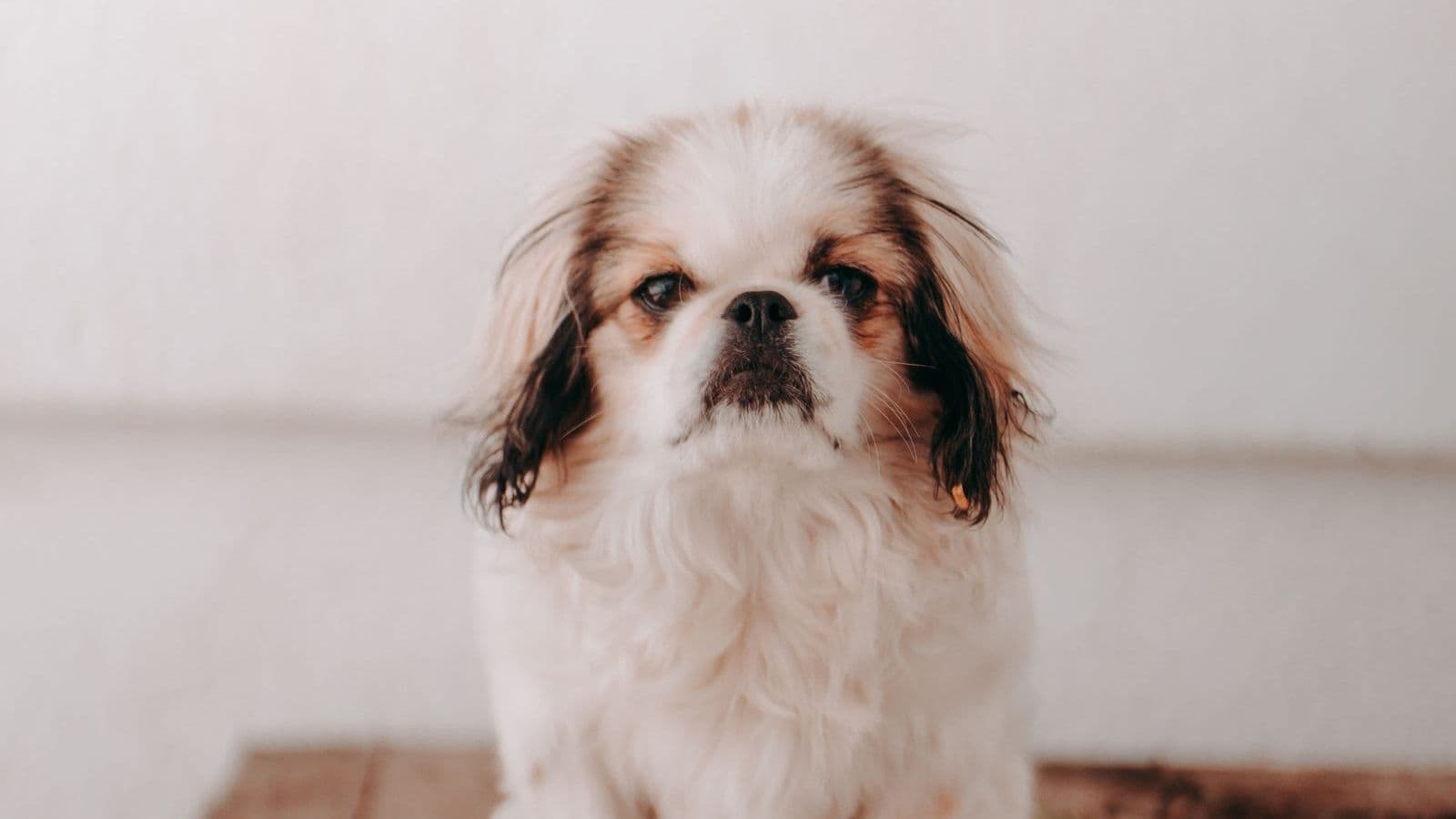
The Japanese Chin is an elegant, ancient toy breed that spent centuries as the cherished companion of Japanese nobility and, before that, Chinese and Korean aristocracy. Refined, dainty, and famously cat-like, the Chin is a dog of quiet dignity: it grooms with a paw like a cat, often perches on the backs of furniture, and carries itself with an aristocratic poise that sets it apart from busier toy breeds. It is devoted and affectionate with its family, charming and a little aloof, and far more sensitive and intelligent than its decorative looks suggest.
That cat-like, sensitive nature is the key to training one. The Japanese Chin is bright and capable, but it is also independent and proud, and it does things on its own terms rather than out of eager obedience. It bonds deeply, reads its person closely, and shuts down completely under harsh handling. It is a low-energy companion, but it still needs gentle training, socialization, and patient house-training, an area where many toy breeds struggle. Work with the Chin's dignity, keep everything gentle and rewarding, and you get an enchanting, devoted companion. Try to drill or correct it, and it simply withdraws.
This guide covers what works with a Japanese Chin, week by week, built around how a sensitive, dignified, cat-like toy actually learns.
At a glance:
- Trainability: 6/10, bright but independent, cooperates on its own terms
- Biggest risk factor: overheating, the flat face means exercise must stay gentle and cool
- House-training note: small bladder plus independence often means a slower timeline
- Example: a Chin corrected harshly even once can withdraw and lose trust for a long time, gentle is non-negotiable
- Not for: owners who use corrections or want strenuous exercise
What Makes Training a Chin Different
Four breed traits shape your approach.
1. Cat-like and independent. The Chin is intelligent but does things its own way, with a self-possessed, almost feline independence. It cooperates when training is gentle and genuinely rewarding, and it ignores rote drilling. Make sessions feel like a pleasant game rather than a series of commands.
2. Highly sensitive. Behind the dignity is a tender dog that reads your tone and shrinks from harshness. Raised voices, corrections, or pressure shut a Chin down and damage trust. Calm, warm, reward-based training is the only approach that works.
3. Low energy but needs gentle engagement. The Chin is a true low-energy companion, content with modest walks and indoor play, but it still benefits from light training, tricks, and socialization to stay confident and well-mannered. It is also brachycephalic, so heat and overexertion must be managed carefully.
4. House-training takes patience. Like many toy breeds, the Chin can be slow to house-train, with a small bladder and an independent streak. A consistent schedule and patient, reward-based methods, not scolding, are what get you there.
Week-by-Week Training Plan for Your Chin
Below is the framework we use at TailorPup for a Chin-specific 12-week plan. Run it at home; the order and emphasis are the point.
Weeks 1 and 2 : Foundation, Socialization, and House-Training
Build engagement with high-value, gentle rewards and socialize broadly so the Chin's reserve stays confident. Run three to four short sessions a day: name, mark eye contact, reward warmly. Start house-training on a strict, patient schedule from day one. Our puppy basics guide covers the foundations.
Weeks 3 and 4 : Core Commands
Lure sit and down, mark, reward, and add cues once reliable, expecting a dignified learner who needs a real reason to cooperate. Keep sessions short, gentle, and game-like, and end on a clear success so the Chin stays willing and confident.
Weeks 5 and 6 : Leash Work and Handling
Use a light Y-shaped harness, never a collar that presses on a brachycephalic airway, and stop-and-stand for any pulling. The Chin rarely pulls hard. Build gentle tolerance for grooming and handling, pairing touch with treats, since the long coat needs care.
Weeks 7 and 8 : Recall and Confidence
Build recall indoors and in fenced areas, paying every success well, and never call the dog for anything it dislikes. Keep socializing to build confidence with strangers and novelty, rewarding relaxed, voluntary interest rather than forcing greetings.
Weeks 9 and 10 : Light Mental Work
Channel the Chin's quiet intelligence with gentle trick training, food puzzles, and calm games, which suit this thoughtful breed far better than repetitive drilling. Keep activity light and cool, given the breed's low energy and heat sensitivity.
Weeks 11 and 12 : Generalization
Prove the skills in the real world: calm leash walking past distractions, reliable house-training habits, and settled, confident responses to visitors. These last two weeks are about consistency and proofing the house-training, recall, and confidence rather than new skills.
Common Chin Training Mistakes
Three mistakes show up repeatedly with this breed.
Mistake 1 : Using harsh handling. This is the cardinal error. The sensitive, dignified Chin shuts down and loses trust under corrections or pressure. Keep every session calm, warm, and reward-based; it is the only approach that brings out a willing, confident dog.
Mistake 2 : Losing patience with house-training. The Chin can be slow to house-train, and scolding makes it worse. A consistent schedule and patient, reward-based methods are what work. Accept that it may take longer than with a larger breed.
Mistake 3 : Overexerting in the heat. As a flat-faced breed, the Chin overheats easily and tires quickly. Keep exercise gentle and cool, and never push it. The full list is in our Japanese Chin training mistakes guide.
Frequently Asked Questions
Are Japanese Chin easy to train ? Reasonably, with a gentle approach. They are intelligent but independent and cat-like, so they cooperate for warm, rewarding, game-like training rather than drilling. House-training takes the most patience.
Why is my Chin so cat-like ? It is simply the breed's nature: self-possessed, graceful, and independent, often grooming with a paw and perching up high. This dignified, feline character is part of the Chin's unique charm, not a training problem.
How much exercise does a Japanese Chin need ? Very little: short daily walks and some indoor play are plenty. The breed is a low-energy companion, and as a flat-faced dog it should not be exercised hard or in the heat.
Why is house-training my Chin so hard ? Toy breeds have small bladders and the Chin has an independent streak, so progress can be slow. A strict schedule, frequent opportunities, and patient reward-based methods, without any scolding, are what get you there.
Is positive reinforcement effective for Japanese Chin ? It is essential. The sensitive breed thrives on calm, reward-based training and shuts down under harshness, which damages the trust the relationship depends on.
Are Japanese Chin good family dogs ? Yes, for calm households. They are devoted, gentle, and affectionate, and good with respectful, gentle children, but their small size and sensitivity mean they do best away from rough handling and chaos.
Do Japanese Chin bark a lot ? Usually not; they are fairly quiet, dignified dogs. They may alert occasionally, but they are among the calmer toy breeds and rarely become nuisance barkers when their gentle needs are met.
Why TailorPup Was Built for the Japanese Chin
A generic plan ignores what defines this breed: the cat-like independence, the sensitivity, the low energy, and the patient house-training it needs. That mismatch is why standard, drill-based advice simply causes a Chin to withdraw.
TailorPup builds a 12-week plan around your specific dog: its dignified nature, its age, and the behaviors you are seeing. For a Chin that means calm, warm, reward-based methods, a patient house-training schedule, gentle socialization, and light mental work suited to a low-energy companion.
Daily 12-minute sessions plus weekly adjustments based on your dog's progress. Plans from $9.99/month, no trial; annual starts at $2 for 7 days. Cancel anytime.
Related: Japanese Chin Training Mistakes · Recall Training · Puppy Training Basics · Leash Pulling