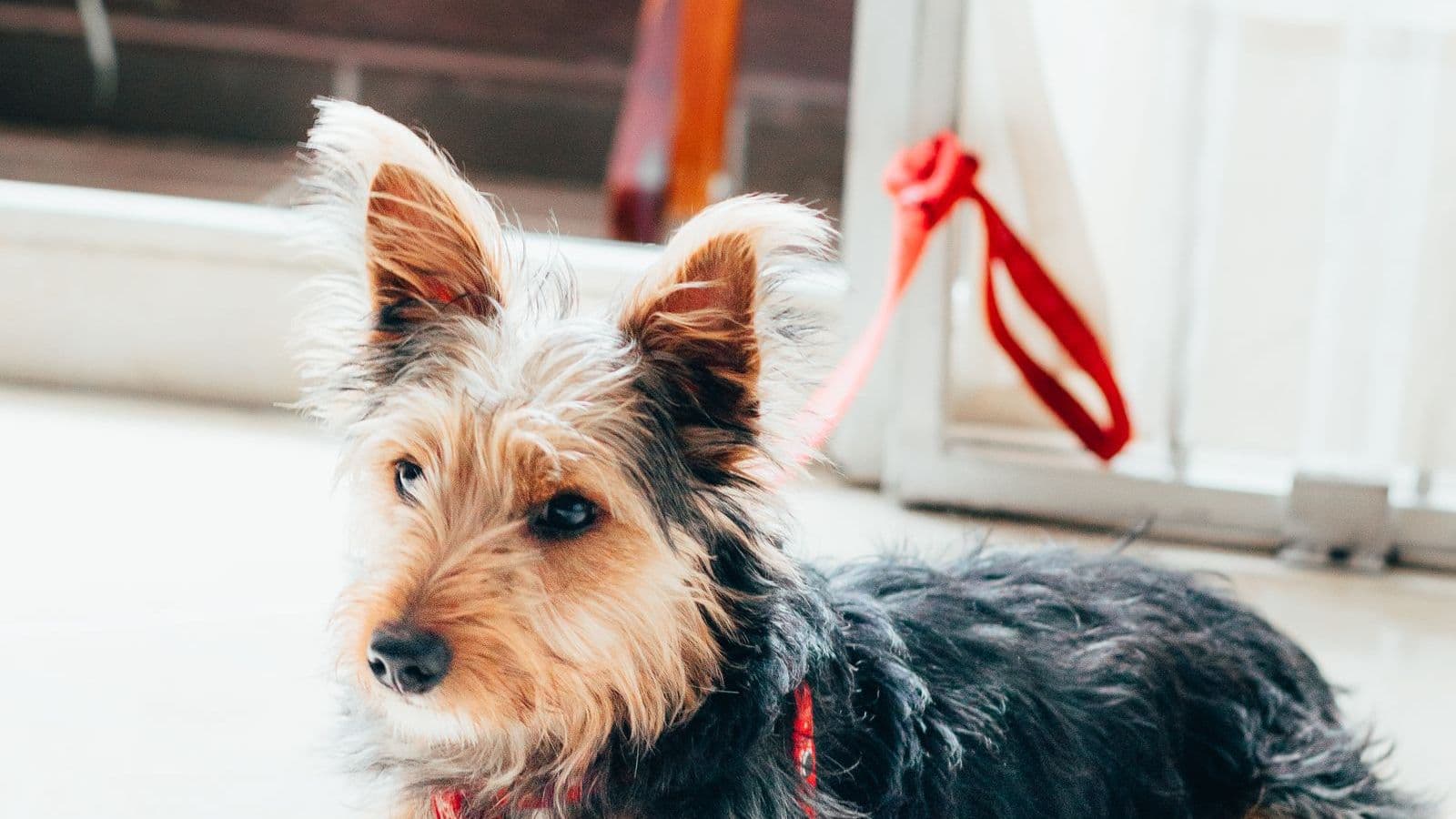
The Silky Terrier is a spirited Australian toy terrier, developed from the Yorkshire Terrier and the Australian Terrier to be both a glamorous companion and a capable household ratter. It looks the part of a lapdog, with a long, flowing, silky coat, but make no mistake: this is a genuine terrier, bigger, bolder, and far more driven than its Yorkie cousin. Underneath the show coat is a confident, busy, fearless little dog that wants a job and an audience.
That terrier core is the key to training one. A Silky is intelligent, lively, and devoted, and it takes well to reward-based training. But it also carries a real prey drive, a quick trigger for alert-barking, and the confidence to develop "small dog syndrome" if it is coddled instead of trained. Treat a Silky like the real dog it is, with structure, socialization, and outlets, and you get a charming, well-mannered companion. Treat it like a fragile accessory and you get a yappy, reactive one.
This guide covers what works with a Silky, week by week, built around how a bold, high-drive toy terrier actually learns.
At a glance:
- Trainability: 7/10, intelligent and takes well to reward-based training
- Biggest risk factor: strong prey drive that overrides recall around fast-moving animals
- Alert-bark tendency: quick to sound off at sights and sounds unless shaped early
- Example: an unmanaged Silky spots a squirrel mid-walk and lunges to the end of the leash, ignoring every cue.
- Not for: owners who treat toy breeds as fragile accessories instead of real dogs needing structure
What Makes Training a Silky Different
Four breed traits shape your approach.
1. Bold and confident in a small body. The Silky has a true terrier personality and no idea that it is small. That confidence is delightful, but without socialization it can curdle into reactivity and fearfulness masked as bravado. Broad, positive early exposure keeps the boldness stable and friendly.
2. A strong prey drive. Bred to dispatch rats, the Silky will chase small, fast-moving animals on instinct. Recall around movement is the hardest skill you will teach, and off-leash freedom near wildlife or roads is risky. Plan to manage the drive, not erase it.
3. A quick alert-bark. Watchful and vocal by nature, the Silky readily sounds off at sights and sounds. This becomes a hard habit if left unmanaged, so shape and reward quiet from the start rather than waiting until the barking is established.
4. More energy than the average toy. A Silky is not a sedate lapdog. It needs real daily activity and mental work, and an under-exercised one fills the gap with barking and mischief. The good news is that this energy makes the breed fun to train and play with.
Week-by-Week Training Plan for Your Silky
Below is the framework we use at TailorPup for a Silky-specific 12-week plan. Run it at home; the structure and emphasis are what matter.
Weeks 1 and 2 : Foundation and Socialization
Build engagement with high-value treats and prioritize socialization and confidence-building, the antidote to small dog syndrome. Run three to four five-minute sessions a day: name, mark eye contact, reward. Expose the puppy calmly to people, dogs, surfaces, and sounds so its natural boldness develops into friendly confidence rather than reactivity.
Weeks 3 and 4 : Core Commands
Silkies learn well. Lure sit and down, mark, reward, and add cues once reliable. Keep sessions short and lively to suit the breed's energy, and add a few tricks, which this clever terrier enjoys and which build focus.
Weeks 5 and 6 : Leash Work and Prey Drive
Fit a Y-shaped harness suited to the small frame and use stop-and-stand for pulling. Practice redirecting your Silky before it locks onto prey, rewarding a glance back at you, so you build an "ignore it and check in" habit rather than a chase.
Weeks 7 and 8 : Recall and Barking
Build recall indoors first, then in fenced areas, then on a long line outdoors where the prey drive lives. Pay every success generously and never call the dog for anything unpleasant. In parallel, shape quiet: reward calm at windows and doors, manage triggers, and teach an "enough" cue. See our barking guide for the full protocol.
Weeks 9 and 10 : Channeling Energy
Give the terrier drive legal outlets: flirt-pole play, fetch, trick training, and scent games all suit the breed. A Silky that gets to chase a toy on cue is far less interested in the cat or the leaves. Add daily walks and thinking games to round out its needs.
Weeks 11 and 12 : Generalization
Prove the skills in the real world: calm loose-leash walking past distractions, commands in busier places, settled and quiet responses to dogs and people. A Silky that performs at home but unravels outside is only partly trained, and these last two weeks finish the job.
Common Silky Training Mistakes
Three mistakes show up repeatedly with this breed.
Mistake 1 : Skipping socialization and over-indulging. This is the root of small dog syndrome. A coddled, under-socialized Silky becomes reactive and demanding. Treat it like a real dog with real rules and broad exposure, and the confident temperament stays charming.
Mistake 2 : Trusting off-leash recall around prey. The prey drive overrides recall in a flash near wildlife or traffic. Until recall is heavily proofed, keep the dog leashed in open areas and stay cautious even then.
Mistake 3 : Letting alert-barking become a habit. Because the breed is vocal and quick to learn, a few unmanaged weeks cement serious barking. Shape calm early and reward quiet instead of reacting to the noise. The full list is in our Silky Terrier training mistakes guide.
Frequently Asked Questions
Are Silky Terriers easy to train ? Reasonably, for a terrier. They are intelligent and trainable, but bold, energetic, and driven, so recall and quiet take the most work. With consistent, engaging reward-based training, good exercise, and socialization, they do well.
How much exercise does a Silky Terrier need ? Around 45 to 60 minutes of activity daily plus mental work, which is more than most toys need. Walks, play, and terrier games keep it satisfied; under-exercised Silkies bark and develop nuisance behaviors.
Can I let my Silky off-leash ? In a securely fenced area, yes. In open spaces it is risky, because the prey drive challenges recall. Use a long line outdoors until recall is genuinely reliable.
Are Silky Terriers different from Yorkshire Terriers ? Yes. The Silky is larger, more terrier-like, and more energetic than the Yorkie, though the two are related. Train a Silky as the genuine working terrier it is rather than as a pure lapdog.
Do Silky Terriers need a lot of grooming ? Yes. The long, fine, silky coat needs regular brushing to prevent matting, along with routine trims. Coat care is a real part of owning the breed and worth budgeting time for.
Is positive reinforcement effective for Silkys ? Yes. The bold, intelligent breed responds well to engaging reward-based training and resists harsh handling, which tends to fuel reactivity rather than cooperation.
Why is my Silky so bold and bossy ? It is a true terrier temperament in a small body. Channel it with training, exercise, and clear, consistent rules, and socialize thoroughly, and the boldness becomes confident charm rather than pushiness. Our recall guide helps build reliability around the prey drive.
Why TailorPup Was Built for Silky Terriers
A generic plan treats your Silky like a delicate lapdog and ignores the boldness, the prey drive, and the energy that make it a true terrier. That mismatch is why one-size-fits-all advice produces yappy, reactive little dogs.
TailorPup builds a 12-week plan around your specific dog: its terrier instincts, its age, and the behaviors you are seeing. For a Silky that means front-loaded socialization and confidence-building, careful recall work around movement, a real outlet for the prey drive, and an early barking protocol.
Daily 12-minute sessions plus weekly adjustments based on your dog's progress. Plans from $9.99/month, no trial; annual starts at $2 for 7 days. Cancel anytime.
Related: Silky Terrier Training Mistakes · Recall Training · Barking Solutions · Leash Pulling