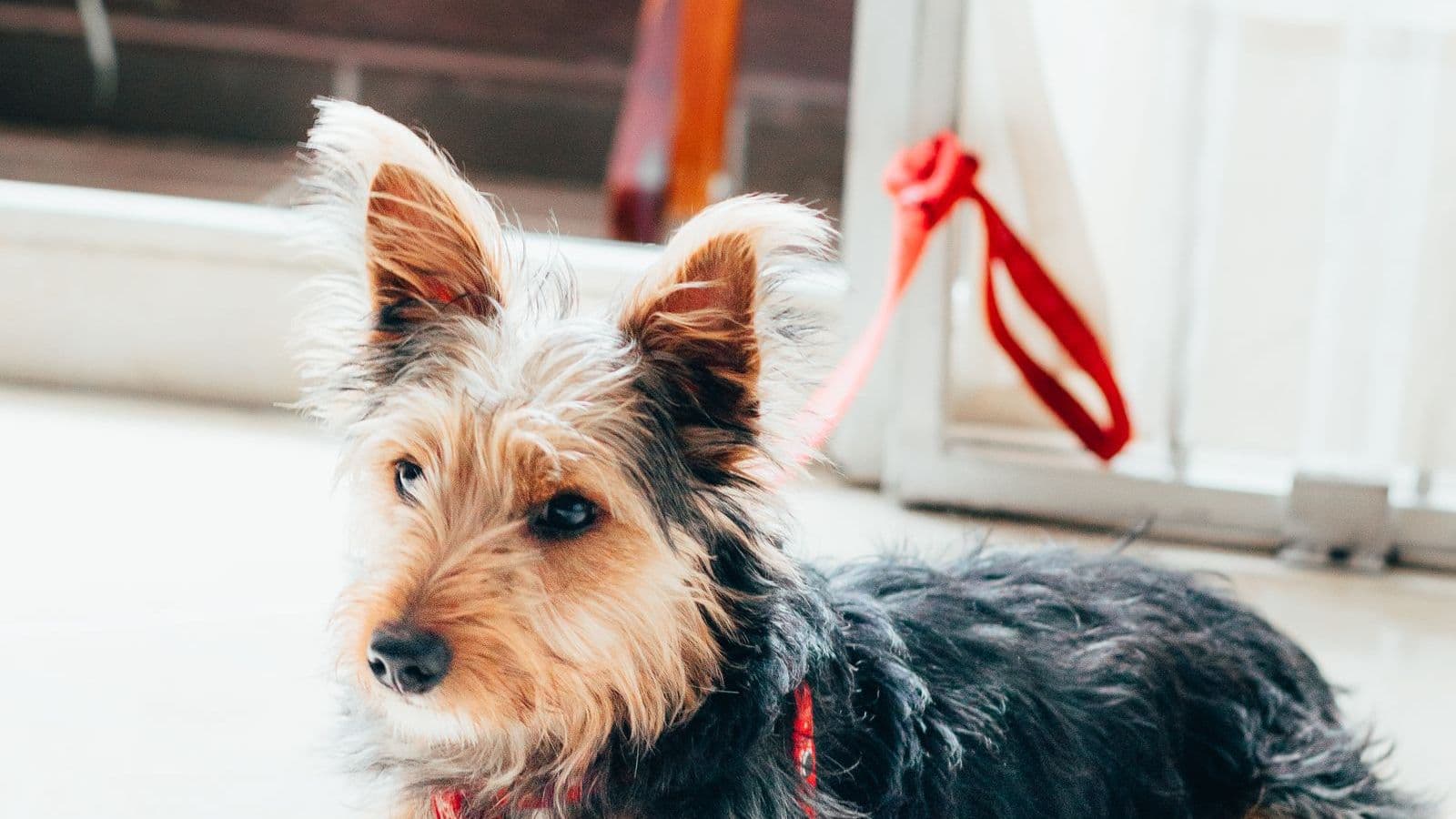
The Silky Terrier looks like a glamorous lapdog under its long, silky coat, but it is a genuine toy terrier with real terrier drive, bolder and busier than its size suggests. Most training problems come from indulging the cute exterior and ignoring the terrier underneath. Treat it as the capable little dog it is and the Silky is a spirited, devoted companion. Here are the five mistakes that cause the most trouble, and what to do instead.
1. Skipping socialization
This is the main cause of "small dog syndrome" in the breed. Because a Silky is tiny and bold, owners rarely take its early reactivity seriously, so barking, lunging, and suspicion of strangers slide by. Unsocialized, that confidence sours into a snappy, defensive adult. Socialize hard during the puppy window with calm, positive exposure to people, dogs, surfaces, and sounds, always at the puppy's own pace.
2. Over-indulging it
Carried everywhere, hand-fed, and excused from every rule, a Silky quickly becomes a demanding, reactive little tyrant that guards laps and resources. Owners who treat it as a fragile accessory create the problem. Set the same boundaries you would for a large dog: make it walk on its own feet, ask for a sit before meals and laps, and reward calm behavior. Treated as a real dog, the Silky rises to it.
3. Trusting it off-leash too soon
Under the silky coat is a true terrier prey drive, and a Silky that spots a squirrel, cat, or rustling leaf can switch off and bolt, with no margin near traffic for a dog this small. Owners who trust open ground are caught out. Build recall on a long line with high-value rewards, and treat reliable off-leash freedom as a fenced-area goal.
4. Ignoring the barking early
The Silky is alert and vocal, and a few cute early woofs become an entrenched alarm habit if they earn attention or go unmanaged. Owners who indulge it end up with a dog that barks at everything. Shape a "quiet" cue from the start, manage the triggers, and reward silence. Our barking guide covers the full protocol.
5. Underestimating the energy
More energetic than many toys, the Silky needs real activity and a terrier-style outlet, not just lap time. An under-exercised one becomes barky, restless, and mischievous. Provide brisk daily walks, play, and a flirt pole or fetch, and the same dog is settled and content indoors.
What works with Silkys
Socialize heavily, hold the same boundaries you would for a big dog, treat off-leash as a fenced-only goal, manage the barking early, and meet the real exercise needs. The throughline is taking a tiny terrier seriously: respect the drive, refuse to over-indulge, and the Silky Terrier is a spirited, charming, genuinely devoted companion.
TailorPup's Silky plan front-loads socialization and confidence-building, channels the prey drive, includes a barking protocol, and schedules adequate exercise.
Start your Silky Terrier's plan at tailorpup.com →
Related: How to Train a Silky Terrier · Recall Training · Barking Solutions