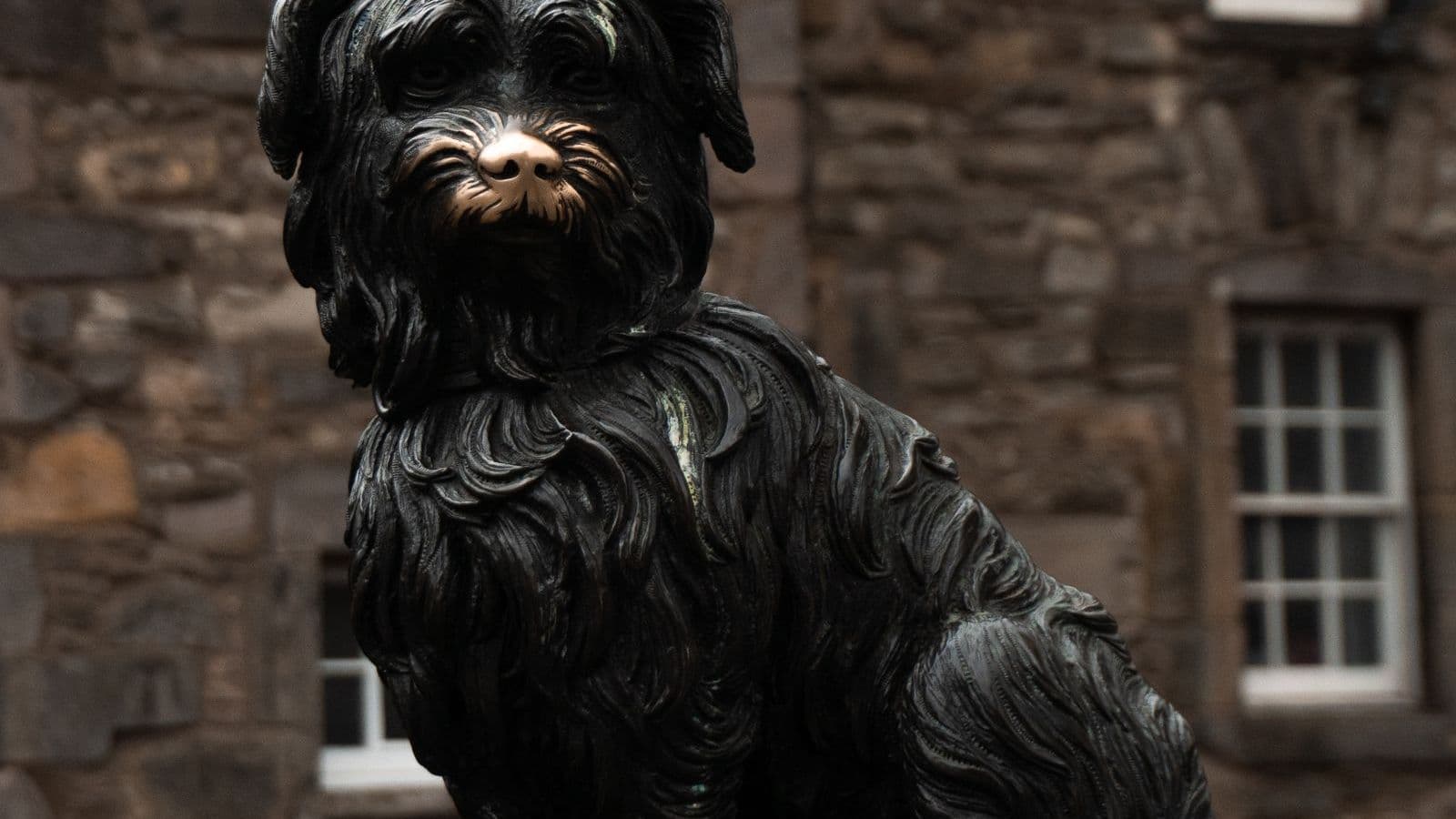
The Skye Terrier is among the oldest and most distinctive Scottish terriers, bred on the Isle of Skye and the western Highlands for some four centuries to hunt fox, badger, and otter among the rocky cairns of the coast. Its long, low body and profuse, draping coat, falling to the ground and veiling the face, were not decoration but protection against teeth and weather underground. The breed became wildly fashionable in Victorian Britain after Queen Victoria took a liking to it, and it is forever associated with the legend of Greyfriars Bobby, the Skye Terrier said to have guarded its master's grave in Edinburgh for fourteen years.
Weighing 16-18 kg on those short legs, the Skye is more substantial than it first appears, with a working terrier's substance beneath the glamorous coat. Its defining trait is loyalty of an unusually deep and singular kind: the Skye bonds intensely, often to one person, with a devotion that the Greyfriars Bobby legend captures perfectly. The flip side of that depth is real reserve, even wariness, with strangers, which sets the breed apart from the more indiscriminately friendly terriers.
For an owner, the Skye Terrier asks for two particular commitments. The first is thorough early socialization, because the breed's natural reserve with strangers will tip into genuine shyness or suspicion without it. The second is back care, since the long, low body carries a risk of disc problems that makes preventing jumping and managing stairs important. Add a real terrier prey drive and a strong-willed independence, and the picture is of a deeply devoted, dignified, but demanding dog that rewards a patient, committed owner with extraordinary loyalty.
At a glance:
- Trainability: 6/10, intelligent but notably strong-willed and independent
- Biggest risk factor: under-socialization tipping natural stranger reserve into shyness or suspicion
- Back care: long, low body carries real risk of disc problems, jumping must be managed
- Example: an under-socialized Skye startles and hides behind its owner when an unfamiliar visitor reaches to pet it.
- Not for: owners who won't commit to thorough early socialization or expect an outgoing, friendly-to-all dog
What Makes Training a Skye Terrier Different
1. Deep, singular loyalty with stranger reserve. The Skye bonds intensely, often to one person, and is naturally reserved or wary with strangers. Early, positive socialization is essential to keep that reserve from becoming shyness or suspicion, and it shapes how confident the adult dog will be.
2. Back care matters. The long, low body carries a risk of disc problems, so preventing jumping on and off furniture, using ramps, and managing stairs are part of daily life from puppyhood.
3. A genuine prey drive. Bred to work fox and badger, the Skye has real terrier prey drive, and recall near small moving animals is a genuine project. Off-leash freedom belongs only in secure areas until recall is reliable.
4. Strong-willed independence. The Skye is intelligent but notably strong-willed and independent, and it responds to patient, reward-based handling rather than force, which it meets with quiet, immovable obstinacy.
Week-by-Week Training Plan for Your Skye Terrier
Weeks 1 and 2 : Socialization and Back-Safe Foundation
Front-load socialization and establish back-protecting habits from the start. Our puppy basics guide covers the mechanics.
- Socialize intensively and positively with diverse people, letting the puppy approach on its own terms.
- Prevent jumping on and off furniture; provide ramps or steps.
- Pair short, upbeat sessions with high-value food.
- Begin gentle coat handling, since the long coat needs regular grooming.
Weeks 3 and 4 : Core Commands
Sit, down, and stay come with patient, consistent reinforcement.
- Lure the behaviors and reward the instant they happen.
- Allow the breed its deliberate pace rather than rushing.
- Keep sessions short, varied, and rewarding for a strong-willed mind.
Weeks 5 and 6 : Recall and Leash Work
Build recall against the prey drive and install leash manners.
- Train recall on a long line with the highest-value rewards before any off-leash freedom.
- Use a Y-harness and the stop-and-stand method for loose-leash walking.
- Reward focus on you when small animals appear.
Weeks 7 and 8 : Stranger Socialization
Shape the natural reserve into confident discrimination.
- Arrange calm, positive introductions to new people at the dog's pace.
- Never force greetings, which deepen the reserve.
- Reward relaxed, neutral behavior around strangers.
Weeks 9 and 10 : Back-Safe Exercise and Enrichment
Provide back-conscious activity and engage the mind.
- Offer moderate, low-impact exercise that spares the long back.
- Introduce nose work, food puzzles, and trick training.
- Reward calm, controlled activity.
Weeks 11 and 12 : Advanced Skills and Proofing
Consolidate the foundations with ongoing challenge.
- Proof all cues, including recall, in mildly distracting settings.
- Maintain back-safe habits and consistent rules as the dog matures.
- Establish a sustainable rhythm of gentle exercise, training, and grooming.
Common Skye Terrier Training Mistakes
Mistake 1 : Skipping socialization. The natural reserve with strangers tips into shyness without thorough early socialization. Prioritize it.
Mistake 2 : Allowing jumping from heights. The long back needs protecting. Prevent furniture-jumping, use ramps, and manage stairs.
Mistake 3 : Trusting off-leash near prey. The terrier prey drive competes with recall. Build it fully on a long line first.
Mistake 4 : Harsh handling. The loyal, sensitive, strong-willed Skye resists pressure with obstinacy. Reward-based training works. Full breakdown : Skye Terrier training mistakes.
Frequently Asked Questions
Are Skye Terriers easy to train ? With patient, consistent, positive methods, yes, though the strong-willed independence requires commitment. The breed is intelligent and devoted, so it works well for the person it bonds to, but it resists force and needs reward-based handling and thorough socialization.
How much exercise does a Skye Terrier need ? Forty-five to sixty minutes of moderate, low-impact activity daily, plus mental work. The exercise should spare the long back, favoring walks and gentle play over high jumping.
Are Skye Terriers good apartment dogs ? Yes, their moderate energy and calm dignity suit apartment living, with ramps to protect the back and early socialization to manage the reserve with strangers and neighbors. The breed is calm and undemanding indoors, content to rest near its person, which makes it well suited to a quieter home with a committed owner.
Are Skye Terriers good family dogs ? With their own family, intensely devoted and gentle, though they often bond most closely to one person. Their reserve with strangers and their back-care needs mean socialization and respectful handling by children are important.
Are Skye Terriers rare ? Yes, very, one of the most endangered native breeds. Finding a reputable, health-testing breeder usually requires significant research and patience.
Are Skye Terriers good with strangers ? Naturally reserved, even wary, which is breed character rather than a fault. Early socialization keeps that reserve appropriate, producing a dog that is calm and discriminating rather than fearful, but the Skye will never be an indiscriminate greeter.
How long do Skye Terriers live ? Typically twelve to fifteen years. Responsible breeders screen for the disc and orthopedic issues associated with the long body and for the mammary and liver conditions seen in the breed, and careful back management supports a long, comfortable life.
Why TailorPup Was Built for Skye Terriers
A generic plan skips the thorough socialization a reserved breed needs and ignores the IVDD risk of the long body, leaving a shy, unprotected dog. TailorPup's Skye Terrier plan front-loads socialization, builds back-safe habits from day one, and uses the patient, reward-based consistency this intensely loyal, strong-willed terrier responds to.
Daily 12-minute training sessions plus weekly adjustments. Plans from $9.99/month, no trial; annual starts at $2 for 7 days. Cancel anytime.
Related: Skye Terrier Training Mistakes · Recall Training · Puppy Training Basics