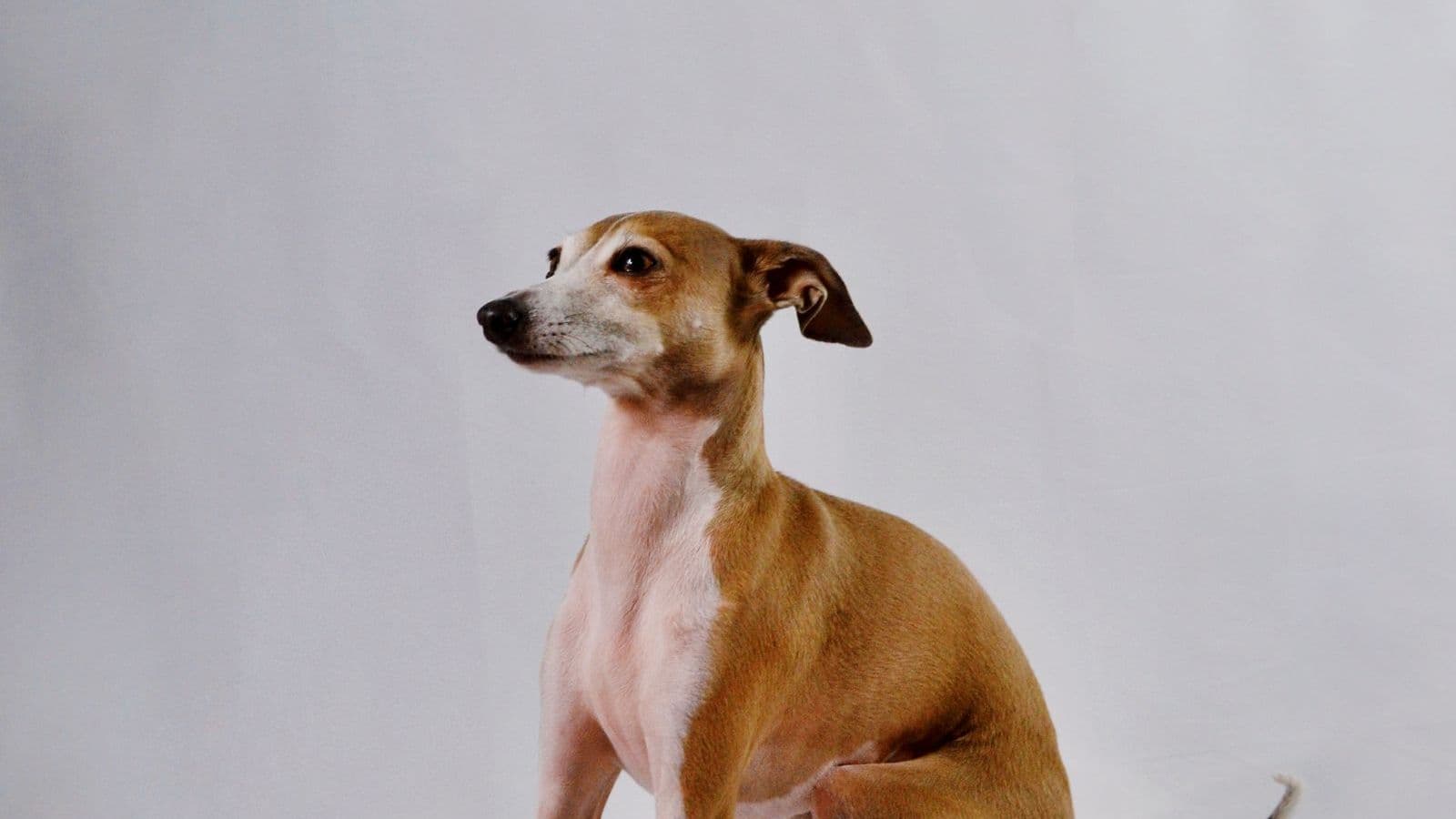
The Italian Greyhound is a tiny, elegant, intensely sensitive sighthound, a miniature coursing dog with delicate legs, a slim neck, and a dislike of cold and wet. It is affectionate and devoted, but its physical fragility and sensitivity mean ordinary training mistakes carry real consequences, and house training is famously hard. Almost every Iggy problem comes from the delicacy or the bathroom struggles. Here are the six mistakes that cause the most trouble, and what to do instead.
1. Giving up on house training
House training is the hardest part of Iggy ownership, because the breed hates cold and wet and has a tiny bladder, so owners grow discouraged and assume the dog cannot learn. It can, with persistence. Stay consistent, use indoor pads or a litter option, reward every success heavily, and give the process six months or more, because giving up is the real failure here.
2. Allowing jumping off furniture
The Italian Greyhound's very thin legs fracture easily, often from a jump off the sofa or bed, and owners who let it leap freely risk a serious, common injury. The dog has no sense of its own fragility. Train a wait-to-be-lifted habit, provide ramps, and supervise to prevent risky jumps, protecting the delicate legs from a break that is genuinely frequent in the breed.
3. Harsh handling
The delicate, sensitive Iggy shatters emotionally under harshness, shutting down or growing fearful at corrections. Owners who try to be firm do real damage to a soft-hearted dog. Use gentle, patient methods only, keep your tone calm and encouraging, and build the dog's confidence through reward, because nothing erodes an Italian Greyhound faster than harsh treatment.
4. Trusting it off-leash
The Iggy's sighthound speed plus prey drive make off-leash genuinely dangerous, and the breed is far too fragile to risk a collision or a chase into traffic. Owners lulled by the small size underestimate the speed. Use long lines and securely fenced areas only, never trust open ground, and treat off-leash freedom as something this delicate sprinter simply does not get.
5. Using a collar
The Italian Greyhound's slim, delicate neck should not take leash pressure, and a collar risks injuring the throat with every pull. Owners who clip a lead to a collar out of habit add real risk. Use a well-fitted Y-shaped harness instead, which spreads pressure across the chest and protects the fragile neck on this very slight dog.
6. Training on hard floors
Iggies find hard surfaces genuinely uncomfortable and may refuse to sit or lie down on them, which owners mistake for stubbornness. The refusal is physical, not defiant. Train on soft surfaces like rugs or beds, make the asked-for position comfortable, and the dog cooperates readily once it is not being asked to plant its bony frame on a cold, hard floor.
What works with Iggies
Be patient and consistent with house training, prevent jumping, use gentle methods, treat off-leash as fenced-only, use a harness, and train on soft surfaces. The common thread is respecting a fragile, sensitive sighthound: protect the delicate body, go gently, and persist through house training, and the Iggy is an elegant, affectionate, devoted companion.
TailorPup's Iggy plan includes a house-training protocol with indoor options, fragility-protective habits, gentle methods, and realistic off-leash expectations.
Start your Italian Greyhound's plan at tailorpup.com →
Related: How to Train an Italian Greyhound · Recall Training · Puppy Training Basics