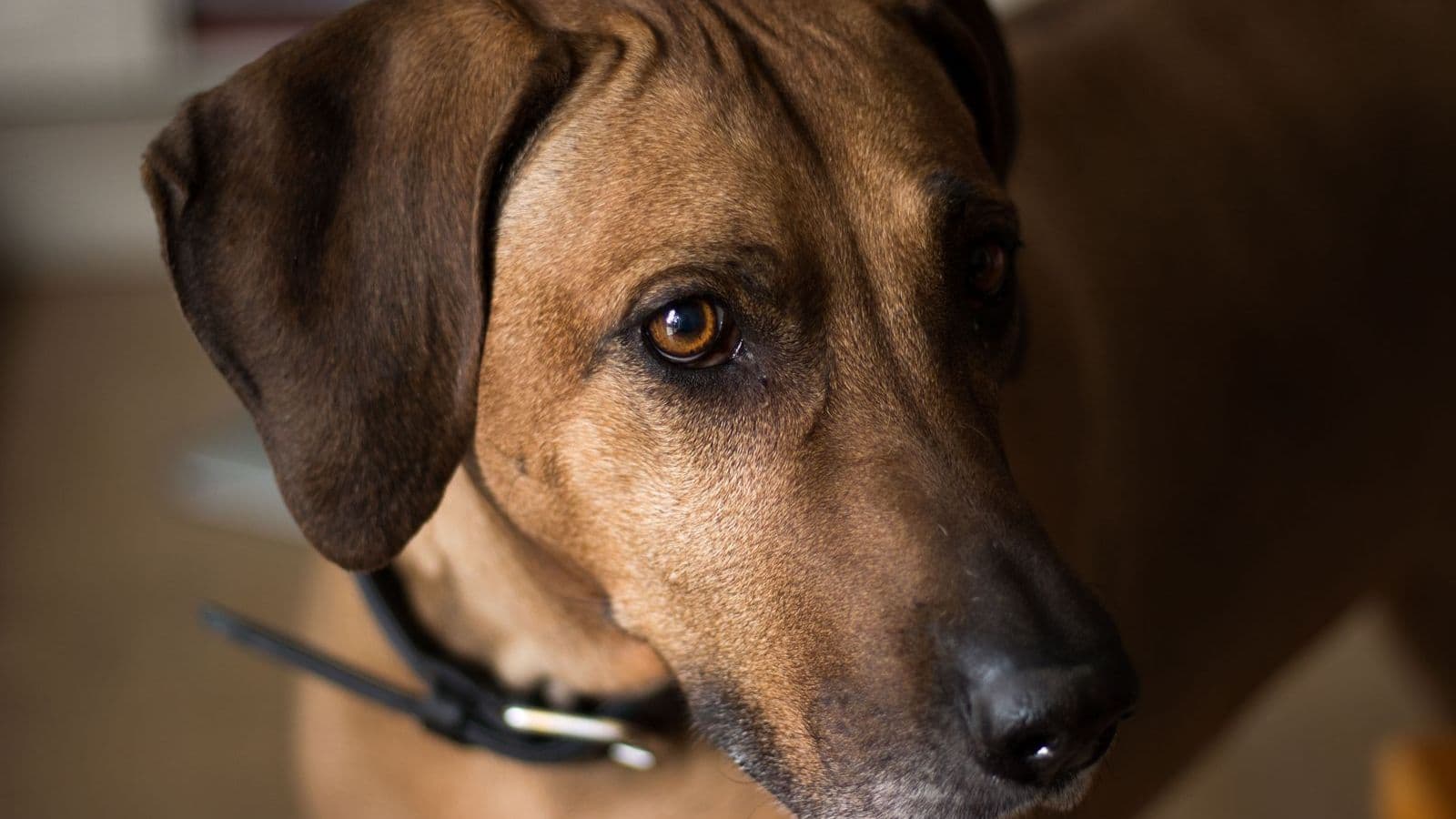
The Rhodesian Ridgeback is a powerful, dignified African hound, developed in southern Africa to track and hold big game, including lions, and to guard the homestead. Named for the distinctive ridge of backward-growing hair along its spine, the Ridgeback combines a hound's nose and prey drive with the strength, courage, and protectiveness of a guardian. It is intelligent, athletic, and deeply loyal to its family, with an aloof, independent dignity that sets it apart from softer, more biddable breeds. This is an impressive dog for an experienced, active owner, and a lot of dog for anyone else.
That blend of independence, drive, and protectiveness is the key to training one. The Ridgeback is intelligent and capable, and it responds well to reward-based training, but it is strong-willed and independent, with a real prey drive, a protective streak, and a sensitivity that means harsh handling backfires. It needs plenty of exercise, early thorough socialization, calm consistent leadership, and engaging training. Provide those and you get a magnificent, devoted, dependable companion. Skip the socialization or rely on force, and you get a powerful, aloof, sometimes pushy or reactive dog that is genuinely hard to manage.
This guide covers what works with a Ridgeback, week by week, built around how a powerful, independent African hound actually learns.
At a glance:
- Trainability: 7/10, capable but weighs requests rather than obeying on reflex
- Biggest risk factor: under-socialization, it turns natural aloofness into real reactivity
- Prey drive: bred to track big game, recall around movement takes serious work
- Example: a Ridgeback that spots a fleeing rabbit mid-walk can be gone before you finish saying "come"
- Not for: first-time owners or homes without room for a large, independent hound
What Makes Training a Ridgeback Different
Four breed traits shape your approach.
1. Independent and strong-willed. Bred to work big game on its own judgment, the Ridgeback weighs your requests rather than obeying reflexively. It cooperates for consistent, engaging, genuinely rewarding training and an owner it respects, and it resists drilling and heavy-handedness.
2. A strong prey drive and a good nose. The hound heritage means a real urge to chase, and when the prey drive engages, recall suffers. Recall around movement takes serious work, off-leash freedom near wildlife is risky, and management matters.
3. Protective and aloof. The Ridgeback is naturally reserved with strangers and protective of its family and territory. Early, thorough socialization is essential to shape that into sound judgment rather than reactivity, especially given the dog's size and strength.
4. Powerful, athletic, and sensitive. This is a strong, high-energy dog that needs real exercise and a job, and manners installed early while it is manageable. Despite its toughness, it is sensitive and responds poorly to harsh, confrontational handling, which damages trust.
Week-by-Week Training Plan for Your Ridgeback
Below is the framework we use at TailorPup for a Ridgeback-specific 12-week plan. Run it at home; the order and emphasis are the point.
Weeks 1 and 2 : Foundation and Socialization
Build engagement with high-value rewards and make socialization a priority, since the protective heritage makes early, positive exposure essential. Run three to four five-minute sessions a day: name, mark eye contact, reward. Establish an exercise routine, because an under-exercised Ridgeback cannot focus. Our puppy basics guide covers the foundations.
Weeks 3 and 4 : Core Commands
Ridgebacks learn well when engaged. Lure sit and down, mark, reward, and add cues once reliable, expecting an intelligent but independent learner. Keep sessions varied, engaging, and rewarding, and avoid repetitive drilling, which the breed tunes out. Start light impulse-control work.
Weeks 5 and 6 : Leash Work (While It Is Manageable)
A strong adult Ridgeback must walk politely, so teach it early. Use stop-and-stand for pulling and a front-clip harness for control. Practice daily so loose-leash walking is solid before the dog reaches full size and strength.
Weeks 7 and 8 : Recall and Counter-Conditioning
Build recall on a long line, paying every success generously, and never call the dog for anything it dislikes; proof it around the prey drive, the breed's biggest recall challenge. Begin counter-conditioning to strangers and dogs so the protective instinct stays discerning. Our reactivity guide lays out the method.
Weeks 9 and 10 : Channeling Energy and a Job
Give the athletic hound real outlets: running, hiking, lure coursing, scent work, and dog sports all suit it. A Ridgeback with enough exercise and a job is a calm, settled dog. Pair vigorous daily exercise with mental challenges to cover both body and mind.
Weeks 11 and 12 : Generalization
Prove the skills in the real world: loose-leash walking past distractions, recall in a fenced area with temptation present, calm responses to strangers, and settling in busier places. A Ridgeback that performs at home but not outside is only partly trained, and these last two weeks finish the job.
Common Ridgeback Training Mistakes
Three mistakes show up repeatedly with this breed.
Mistake 1 : Skipping socialization. Without thorough, ongoing socialization, the Ridgeback's natural aloofness and protectiveness become reactivity and suspicion, a serious matter in a powerful dog. Socialization is the most important early investment you make.
Mistake 2 : Using harsh, confrontational handling. The independent but sensitive Ridgeback resists force, which brings out stubbornness or reactivity and damages trust. Keep training firm but fair, engaging, and reward-based to win genuine cooperation.
Mistake 3 : Underestimating the prey drive and exercise needs. A bored, under-exercised Ridgeback becomes pushy and difficult, and the prey drive overrides an unproofed recall. Provide real exercise and a job, and use a long line near wildlife. The full list is in our Rhodesian Ridgeback training mistakes guide.
Frequently Asked Questions
Are Rhodesian Ridgebacks easy to train ? Reasonably, for an experienced owner. They are intelligent and capable, so reward-based training works, but their independence, prey drive, and protectiveness mean they need consistent, engaging training, early socialization, and realistic expectations rather than rote drilling.
Are Ridgebacks good for first-time owners ? Generally not the easiest choice. The size, strength, independence, prey drive, and protectiveness suit owners with some dog experience who can commit to socialization, exercise, and consistent leadership.
How much exercise does a Rhodesian Ridgeback need ? A lot: an hour or more of vigorous daily activity plus a job. This is an athletic hound, and under-exercised Ridgebacks become restless, pushy, and difficult.
Can I let my Ridgeback off-leash ? Eventually, in safe areas, once recall is heavily proofed, but it must be earned given the prey drive and independence. Build recall carefully on a long line first, and stay cautious around wildlife.
Why is my Ridgeback aloof with strangers ? Because it was bred to guard, so reserve with strangers is instinct. Thorough, positive socialization shapes it into sound judgment, letting the dog be calm and discerning rather than wary or reactive. Never force interactions.
Is positive reinforcement effective for Ridgebacks ? Yes, paired with firm, fair consistency. The intelligent, sensitive breed responds well to engaging reward-based training and resents harsh, confrontational handling, which damages trust and brings out resistance.
Are Rhodesian Ridgebacks good family dogs ? Yes, for active, experienced families. They are devoted, dignified, and protective of their people, including children, but they need the exercise, socialization, and consistent leadership a powerful, independent hound requires.
Why TailorPup Was Built for Rhodesian Ridgebacks
A generic plan ignores what defines this breed: the independence, the prey drive, the protectiveness, and the power. That mismatch is why standard advice leaves Ridgeback owners with an aloof, pushy, sometimes reactive dog.
TailorPup builds a 12-week plan around your specific dog: its African-hound nature, its age, and the behaviors you are seeing. For a Ridgeback that means front-loaded socialization, early manners and leash work, engaging firm-but-fair reward-based methods, careful recall around the prey drive, counter-conditioning, and a real job.
Daily 12-minute sessions plus weekly adjustments based on your dog's progress. Plans from $9.99/month, no trial; annual starts at $2 for 7 days. Cancel anytime.
Related: Rhodesian Ridgeback Training Mistakes · Recall Training · Leash Pulling · Reactivity Training