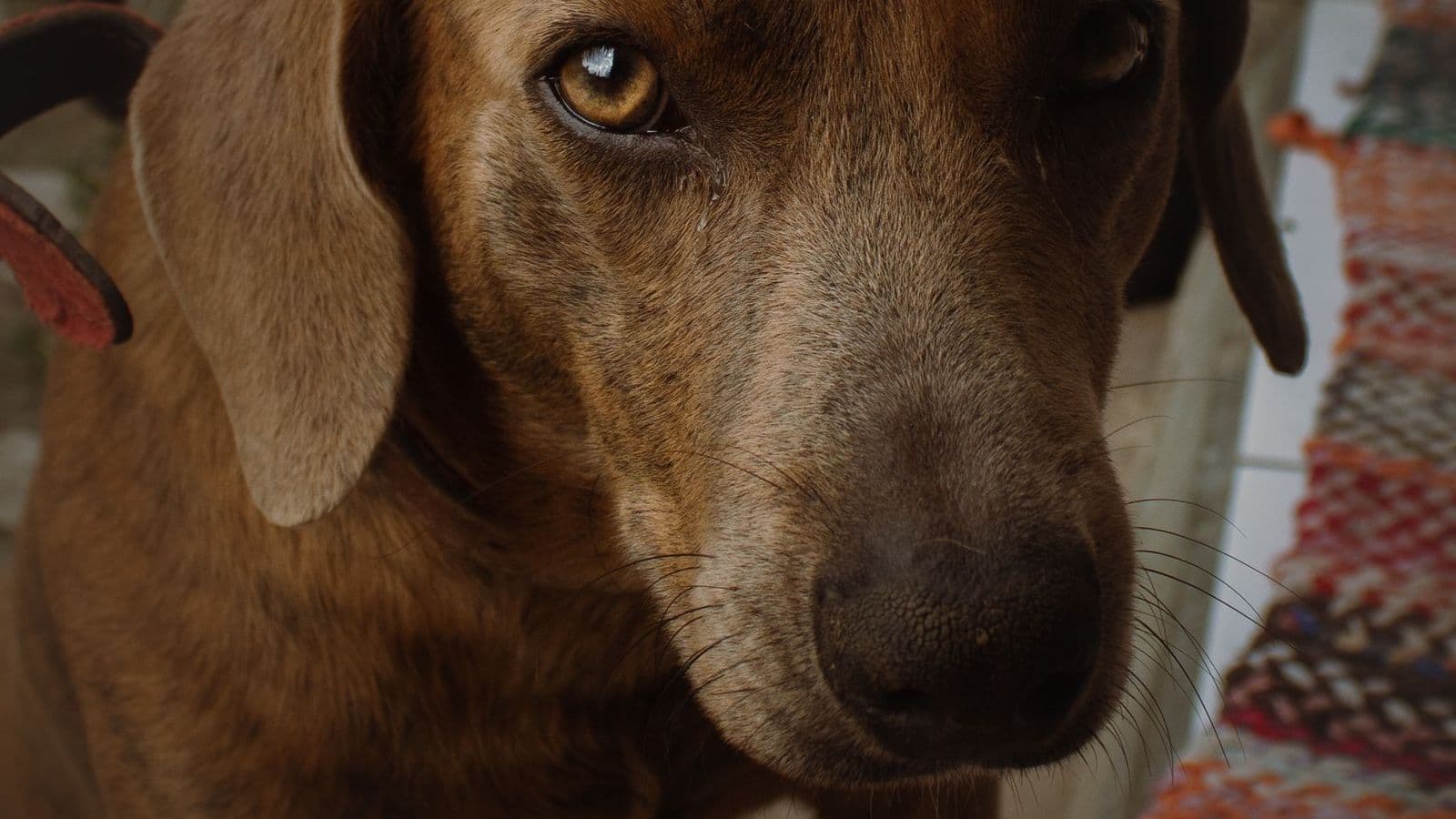
The Plott Hound is the tenacious, brindle-coated big-game hound of the southern Appalachians and the state dog of North Carolina. It stands apart from the other American coonhounds in a crucial way: instead of descending from English foxhounds, the Plott traces back to German hunting dogs brought to North Carolina in the 1750s and bred down the generations to trail and bay bear and wild boar. That heritage gave the breed an unusual blend of cold-nosed trailing ability and raw courage, because a dog that bays a bear needs grit most coonhounds were never asked for.
That history is exactly why the Plott is not a beginner's hound. It is brave, intensely driven, athletic, and devoted to its family, but it is also one of the higher-energy, harder-edged scent hounds, and it can be more intense with strange dogs than the easygoing coonhounds. Meet its considerable exercise and nose-work needs and you get a loyal, capable, surprisingly affectionate companion. Fall short and that drive turns into destruction, escaping, and nonstop baying.
This guide covers what actually works with a Plott, week by week, built around how a high-drive big-game scent hound learns.
At a glance:
- Trainability: 6/10, brave and food-driven but the powerful nose and intensity slow things down
- Biggest risk factor: off-leash bolting, the nose overrides recall and the dog can travel a long way on a trail
- Vocal instinct: a loud, driving bay bred into the dog for hunting, manageable but never eliminated
- Example: a Plott catches a scent on a hike and stops responding to its name until the trail is worked out.
- Not for: first-time or low-activity owners who can't provide 60-90 minutes of daily exercise and nose work
What Makes Training a Plott Different
Four breed-specific facts shape everything.
1. A powerful nose that overrides recall. Like all serious scent hounds, the Plott will lock onto a trail and tune you out completely while working it. This is not defiance; it is the breed doing its designed job. Off-leash freedom in open country is a real risk, and recall takes longer and more patience than with most breeds.
2. A loud, driving bay. The Plott was bred to bay at big game so hunters could follow on foot, and that voice is genetic and carrying. You can teach a quiet cue and reduce nuisance baying, but you cannot eliminate the instinct, and a Plott left understimulated will use it constantly.
3. Very high energy plus genuine grit. This is one of the most athletic and tenacious of the hounds, bred to work hard terrain for hours against dangerous game. It needs 60 to 90 or more minutes of vigorous daily activity plus a job for its nose. Under-exercised, a Plott is destructive, frustrated, and difficult.
4. Brave and intense, but food-motivated. The courage that lets a Plott face a boar can read as stubbornness in the living room, and the breed needs confident, consistent handling. The good news is that it is strongly food-driven, so reward-based training gives you a reliable way to work with that intensity rather than against it.
Week-by-Week Training Plan for Your Plott
Below is the framework we use at TailorPup for a Plott-specific 12-week plan. Run it at home; the order and breed-appropriate emphasis are the point.
Weeks 1 and 2 : Foundation and Socialization
Build engagement and start socialization early, since the breed's intensity makes calm exposure to people and dogs important. Run three to four five-minute sessions a day: say the name once, mark the instant of eye contact, reward with high-value food. Begin barking awareness now too, rewarding quiet from the start. This attention foundation is what later competes with the nose.
Weeks 3 and 4 : Core Commands
Lure sit and down, mark the position, reward, and add the verbal cue only after the behavior is reliable. Keep sessions short, food-rich, and run them before meals when your driven hound is hungriest and most focused. Consistency matters more than speed with this breed.
Weeks 5 and 6 : Loose Leash Walking
Plotts pull hard toward scent. Use stop-and-stand: stop completely the instant the leash tightens, advance only when it loosens, and stay silent. A front-clip harness helps with a powerful dog. Grant deliberate "go sniff" breaks as rewards so the nose becomes something you control rather than fight.
Weeks 7 and 8 : Recall and Barking
Recall is the hard skill here. Build it on a long line in low-distraction areas, jackpot every success, and never call your Plott for anything it dislikes. Run the barking protocol in parallel: reward quiet, avoid leaving the dog outside alone to rehearse baying, and manage triggers. Our barking guide covers the full method.
Weeks 9 and 10 : Channeling Energy and Nose Work
Give the nose and the body real jobs. Tracking, scent trails, "find it" games, and long hikes on secure ground satisfy a Plott in a way a quick walk never will. Pair vigorous daily exercise with 15 to 20 minutes of nose work and the destructive behaviors fade fast.
Weeks 11 and 12 : Generalization
Now prove it in the real world: loose-leash past distractions, recall inside fenced areas with temptation present, and calm settling in new places. A Plott that listens at home but not outdoors is only partly trained, and these last two weeks are where you close that gap.
Common Plott Training Mistakes
Three mistakes show up again and again.
Mistake 1 : Expecting off-leash reliability. The nose overrides recall in this breed more than in almost any other, and the Plott's drive and stamina mean it can travel a long way on a trail. Treat open spaces as long-line or fenced-only until recall is heavily proofed, and stay cautious even then.
Mistake 2 : Underestimating the exercise and the courage. A Plott is a very-high-energy, tenacious working dog, not a casual pet. Owners who provide too little exercise or too little firm, consistent structure end up with a destructive, frustrated, and sometimes pushy dog. The breed genuinely needs an active, confident handler.
Mistake 3 : Reaching for corrections instead of food. The Plott's grit does not mean it responds to harshness. Heavy-handed methods make a driven dog more reactive, not more obedient. Keep training reward-based and food-rich. The full list is in our Plott Hound training mistakes guide.
Frequently Asked Questions
Are Plott Hounds easy to train ? They are moderately trainable. The breed is brave, driven, and food-motivated, which helps, but the strong scent drive, intensity, and baying make recall and leash work demanding. With food rewards, plenty of exercise, and realistic expectations, most Plotts do well in committed hands.
Why does my Plott bay so much ? Because it was bred to bay at big game. The voice is genetic, not a behavior problem. You can reduce nuisance baying by managing triggers, rewarding quiet, and meeting the dog's substantial exercise needs, but expect a vocal breed by nature.
Can I let my Plott off-leash ? In a securely fenced area, yes. In open spaces it is risky, because the powerful nose overrides recall and the breed will commit to a trail. Most owners use a long line outdoors as a rule.
How much exercise does a Plott Hound need ? Plan on 60 to 90 or more minutes of vigorous daily activity plus nose work. This is one of the most athletic and tenacious hounds, and it needs a real outlet to be calm and manageable at home.
Is the Plott Hound good for first-time owners ? Generally not. The very-high energy, intensity, scent drive, and need for confident, consistent handling make the Plott better suited to experienced, active owners who can meet those needs daily.
Is positive reinforcement effective for Plotts ? Yes, with food. The breed is food-driven and works well with reward-based training, while harsh methods tend to increase reactivity in such an intense dog.
Why does my Plott pull and ignore me outside ? Because there is almost always a scent more compelling than you are. Raise your value with better treats and sniff breaks, and build attention and recall systematically on a long line rather than expecting it for free. Our recall and leash pulling guides cover the mechanics.
Why TailorPup Was Built for Plott Hounds
A generic plan treats your Plott like an average dog and ignores the scent drive, the bay, the courage, and the very-high energy that define this big-game hound. That is why standard advice frustrates Plott owners so often.
TailorPup builds a 12-week plan around your specific dog: its hound instincts, its age, and the behaviors you are actually facing. For a Plott that means food-based motivation throughout, a realistic recall timeline, a dedicated barking protocol, and serious nose work and exercise built into the routine so the breed's drive has somewhere to go.
Daily 12-minute sessions plus exercise tracking, with the plan adapting weekly to your dog's progress. Plans from $9.99/month, no trial; annual starts at $2 for 7 days. Cancel anytime.
Related: Plott Hound Training Mistakes · Recall Training · Barking Solutions · Leash Pulling