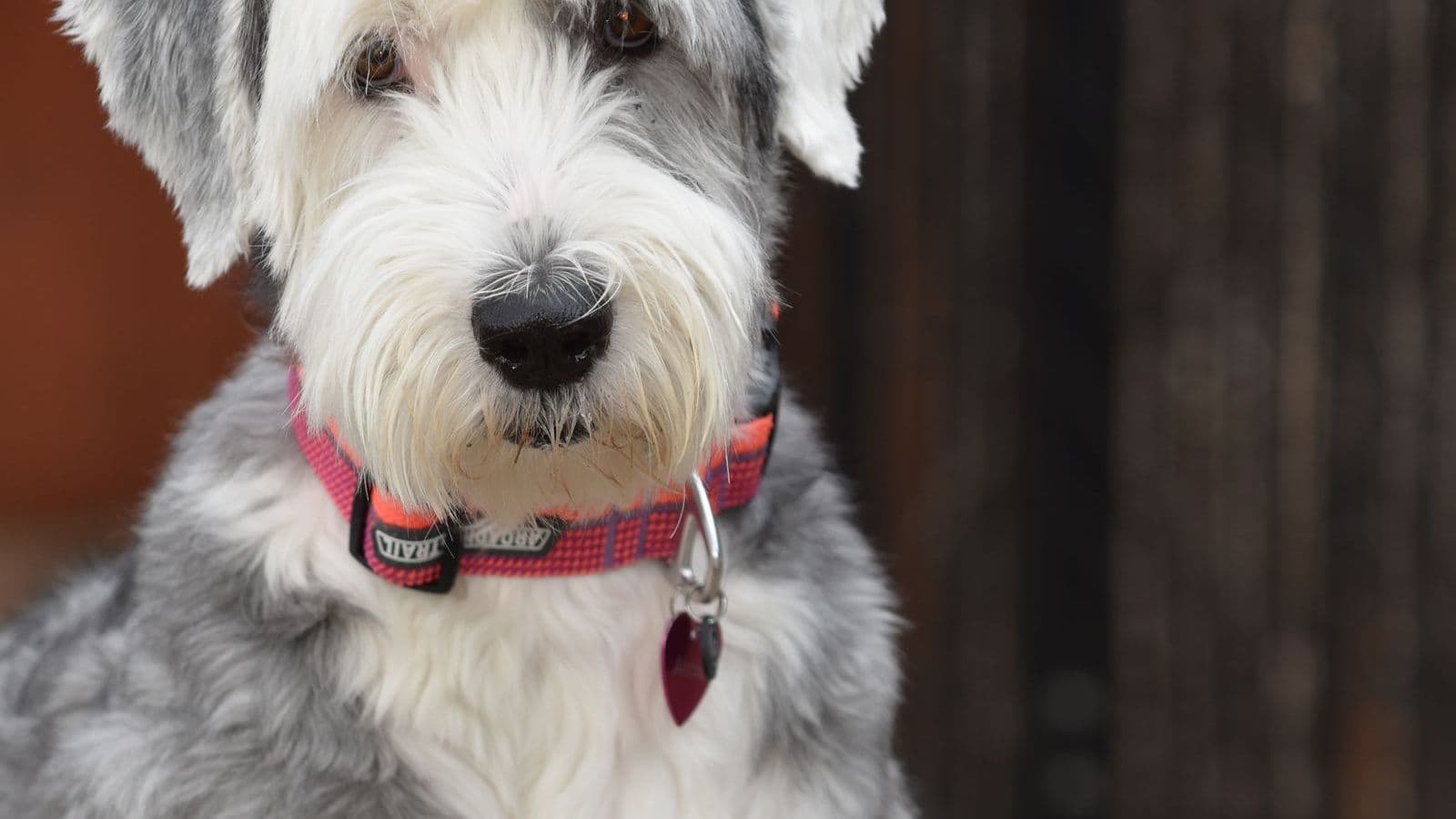
The Old English Sheepdog, often called the bobtail, is the iconic shaggy herding dog of the English countryside, a big, profusely coated breed developed to drive cattle and sheep to market. Famous from films and advertising for its mop of grey-and-white hair and its rolling, bear-like gait, the OES is far more than a fluffy mascot: it is an intelligent, sturdy working dog with a herding heritage, a playful, devoted temperament, and a surprising agility hidden under all that coat. It is an affectionate, family-oriented companion that brings real grooming, exercise, and training needs to a home.
That working-herding nature is the key to training one. The OES is intelligent and trainable, and it responds well to reward-based training, but it carries a herding drive that can show up as bumping or attempting to herd people, a tendency to be vocal, a degree of independence, and real sensitivity. It also needs serious grooming and adequate exercise. Channel the herding drive, keep the clever mind engaged, stay on top of the coat, and keep training gentle and engaging, and you get a delightful, devoted, well-mannered companion. Neglect the exercise, grooming, or training, and you get an unkempt, bored, sometimes pushy dog.
This guide covers what works with an OES, week by week, built around how an intelligent, shaggy herding breed actually learns.
At a glance:
- Trainability: 7/10, intelligent and willing, with a touch of herding-bred independence
- Biggest risk factor: herding drive, may bump or nudge running children if left unmanaged
- Care note: the profuse double coat needs frequent, thorough grooming to avoid painful matting
- Example: an OES that bumps a running child in play is following pure instinct, not being naughty, but it still needs a reliable interrupter
- Not for: owners unwilling to commit to serious, ongoing coat care
What Makes Training an OES Different
Four breed traits shape your approach.
1. Intelligent and trainable, but a touch independent. The OES learns well and enjoys working with its people, so reward-based training is effective. As a herding breed bred to make some decisions on its own, it has an independent streak, so keep training engaging and rewarding rather than repetitive.
2. A herding drive. The OES may try to herd people, especially running children, by bumping, circling, or nudging. This is instinct, not naughtiness. Given a legal outlet and a reliable interrupter, it becomes manageable; left unmanaged, it turns into pushy herding of the family.
3. Sensitive and sometimes vocal. Behind the cuddly looks is a sensitive dog that shuts down under harshness, and the breed has a distinctive, loud bark it may use freely. Gentle, reward-based training and early quiet-shaping keep both the sensitivity and the voice well managed.
4. A demanding coat and real exercise needs. The profuse double coat needs frequent, thorough grooming to avoid painful matting, and the breed needs adequate daily exercise and mental work despite its sometimes laid-back demeanor. Both are non-negotiable parts of ownership.
Week-by-Week Training Plan for Your OES
Below is the framework we use at TailorPup for an OES-specific 12-week plan. Run it at home; the order and emphasis are the point.
Weeks 1 and 2 : Foundation, Socialization, and Grooming
Build engagement with high-value rewards and socialize broadly. Run three to four five-minute sessions a day: name, mark eye contact, reward. Begin grooming desensitization immediately, pairing brushing with treats, because the heavy coat ahead needs frequent care and tolerance is essential.
Weeks 3 and 4 : Core Commands
OES learn well. Lure sit and down, mark, reward, and add cues once reliable. Build duration on stay, keep sessions engaging and varied to suit the independent streak, and add tricks to give this clever breed mental work.
Weeks 5 and 6 : Leash Work and Herding Redirection
A big OES can pull. Use stop-and-stand for pulling and a harness. Work on redirecting the herding response: reward your dog for noticing movement and looking back at you, building a calm default around running children and bikes, and begin counter-conditioning if it reacts. Our reactivity guide lays out the method.
Weeks 7 and 8 : Recall and Quiet
Build recall on a long line, paying every success generously, and never call the dog for anything it dislikes; the herding drive can pull it toward movement. In parallel, manage the barking: reward calm, manage triggers, and teach a "quiet" cue, since the breed has a loud, ready voice.
Weeks 9 and 10 : Channeling Energy and Coat Care
Give the herding brain a job: herding-style games, fetch, scent work, and trick chains all suit the breed, alongside adequate daily exercise. Keep up the demanding grooming so the coat stays healthy and mat-free, and the dog stays comfortable and willing to be handled.
Weeks 11 and 12 : Generalization
Prove the skills in the real world: loose-leash walking past distractions, recall in a fenced area with temptation present, calm responses to movement, and settling in busier places. These last two weeks are about consistency and proofing the recall, quiet, and herding redirection around real life.
Common OES Training Mistakes
Three mistakes show up repeatedly with this breed.
Mistake 1 : Neglecting the coat. The profuse double coat mats painfully without frequent, thorough grooming, and a dog that has not learned to accept handling makes it harder. Build grooming tolerance from day one and stay on top of the coat, or keep it in a shorter trim.
Mistake 2 : Letting the herding drive run unmanaged. Allowing an OES to bump and herd running children, even in play, rehearses pushy behavior. Redirect the drive to a sanctioned outlet and teach a reliable interrupter early.
Mistake 3 : Underestimating exercise and using harshness. A bored OES becomes pushy and difficult, and the sensitive breed shuts down under corrections. Provide adequate exercise and mental work and keep training gentle. The full list is in our Old English Sheepdog training mistakes guide.
Frequently Asked Questions
Are Old English Sheepdogs easy to train ? Reasonably. The breed is intelligent and trainable, so reward-based training works well, though a herding-bred independent streak means it does best with engaging rather than repetitive sessions. The bigger commitments are grooming and exercise.
Why does my OES try to herd the kids ? Because gathering and moving things is the breed's instinct, triggered by running and excitement. Redirect it with a sanctioned outlet and a reliable interrupter rather than punishing it, and teach the dog a calm default around movement.
How much grooming does an Old English Sheepdog need ? A great deal. The profuse double coat needs frequent, thorough brushing, often several times a week, to prevent painful matting, and many owners opt for a shorter trim. Coat care is a major, ongoing part of owning the breed.
How much exercise does an OES need ? Around 60 minutes of activity daily plus mental work. The breed is moderately energetic and needs a real outlet despite sometimes laid-back looks, and under-exercised OES become bored and pushy.
Is positive reinforcement effective for OES ? Yes, ideally. The intelligent, sensitive breed thrives on gentle, engaging reward-based training and shuts down under harshness, which is both unnecessary and counterproductive.
Do Old English Sheepdogs bark a lot ? They can, with a distinctive loud bark, especially when under-stimulated or alerting. Early quiet-shaping, trigger management, and enough exercise keep the barking manageable.
Are Old English Sheepdogs good family dogs ? Yes, excellent ones. They are affectionate, playful, and devoted to their families, including children, with a gentle, clownish charm. They simply need their grooming, exercise, and herding drive managed.
Why TailorPup Was Built for Old English Sheepdogs
A generic plan ignores what defines this breed: the herding drive, the demanding coat, the sensitivity, and the real exercise needs behind the laid-back image. That mismatch is why standard advice leaves OES owners with a bored, pushy, or unkempt dog.
TailorPup builds a 12-week plan around your specific dog: its herding nature, its age, and the behaviors you are seeing. For an OES that means herding redirection, grooming desensitization built in, adequate exercise and mental work, a barking protocol, and gentle reward-based methods.
Daily 12-minute sessions plus weekly adjustments based on your dog's progress. Plans from $9.99/month, no trial; annual starts at $2 for 7 days. Cancel anytime.
Related: Old English Sheepdog Training Mistakes · Recall Training · Reactivity Training · Leash Pulling