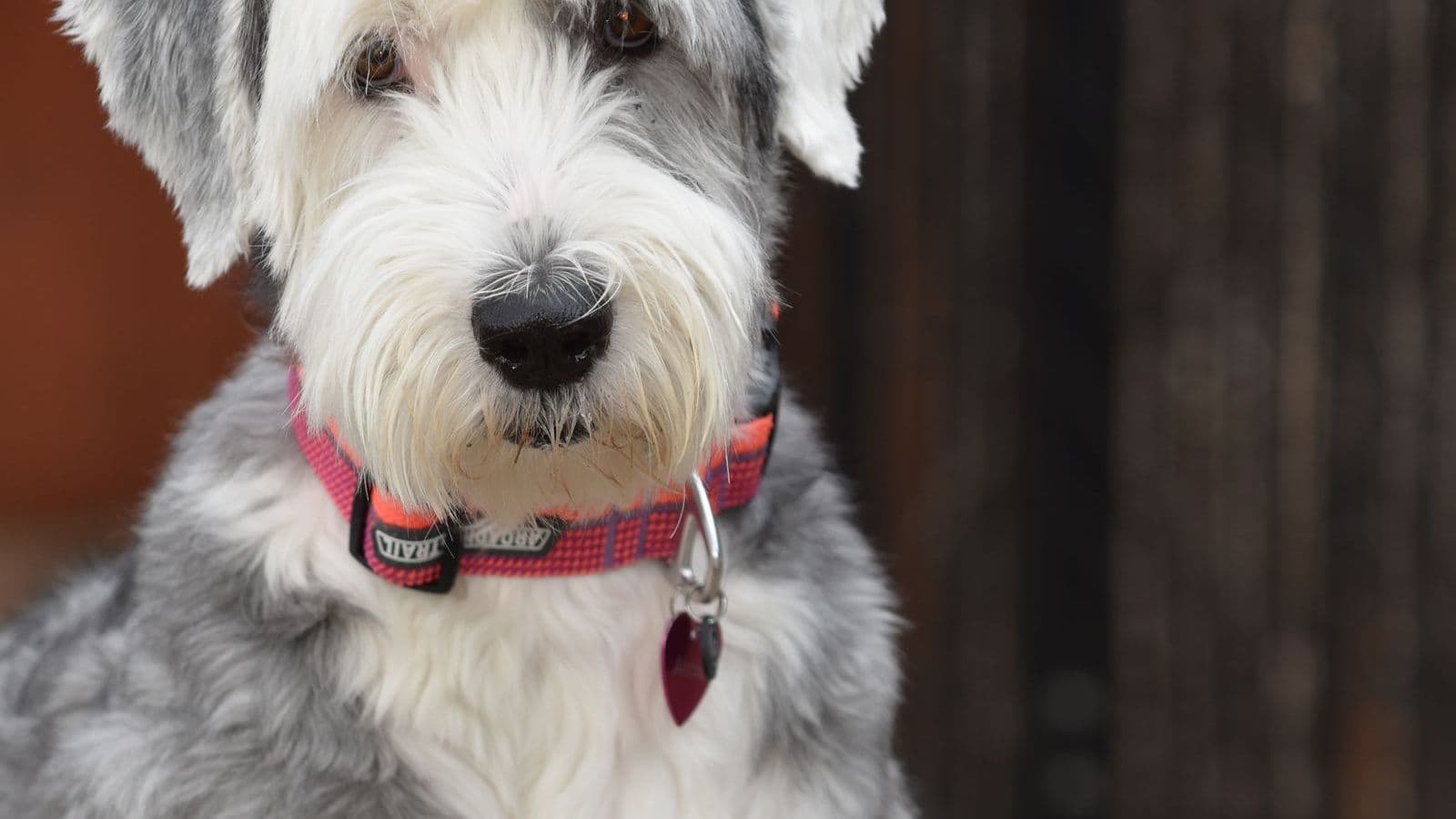
The Old English Sheepdog is an intelligent, athletic herding breed hidden behind a famously shaggy coat and an easygoing, clownish reputation. That laid-back image misleads owners, because underneath is a genuine working dog with real exercise needs, a herding drive, and a coat that demands serious maintenance. Almost every OES problem comes from underestimating the working dog behind the fluff. Here are the six mistakes that cause the most trouble, and what to do instead.
1. Underestimating exercise and mental needs
The laid-back, shaggy image hides an athletic herding breed that needs 60 minutes of activity daily plus mental work, and an under-stimulated OES becomes destructive. Owners who expect a mellow couch dog are caught out. Provide both real physical exercise and brain work every day, and the same dog is settled and pleasant rather than restless and busy around the house.
2. Skipping grooming desensitization
The OES double coat is dense and demanding, often requiring professional grooming, and a dog that was never desensitized to handling and brushing becomes stressed and resistant. Owners who skip early conditioning create a lifelong struggle and a matted coat. Start grooming tolerance in puppyhood, keep sessions short and rewarding, and accept that coat care is a serious, ongoing commitment.
3. Suppressing the herding drive
The OES may herd and nudge family members, especially running children, and chase movement, and owners who punish this create frustration without removing the instinct. The drive needs an outlet, not suppression. Channel it into appropriate games or activities, redirect the herding from the first occurrence, and reward calm, so the instinct has a constructive place to go.
4. Harsh handling
The sensitive OES shuts down under corrections, growing anxious or withdrawn rather than compliant. Owners who try to be firm meet the occasional stubborn streak head-on and make it worse. Reward-based training works far better and actually overcomes the stubbornness: make cooperation worthwhile, keep your tone warm, and the breed responds with genuine willingness.
5. Boring, repetitive sessions
The intelligent but sometimes stubborn OES bores quickly with repetition and disengages. Owners who drill the same exercise lose the dog's attention. Keep sessions engaging and varied, introduce new challenges, pay well, and end while the dog is still interested, working with the clever mind rather than letting monotony trigger the stubborn streak.
6. Exercising in the heat
The OES's heavy double coat makes it genuinely heat-sensitive, and owners who exercise it in warm weather risk overheating. The coat built for cool, damp Britain works against the dog in summer. Exercise only in cool conditions, keep the coat properly managed, provide shade and water, and never push a heavy-coated dog in heat or humidity.
What works with the OES
Provide real exercise and mental work, build grooming tolerance early, channel the herding drive, use gentle methods, keep sessions engaging, and exercise in cool conditions. The common thread is respecting a working herder behind the shaggy coat: meet the needs, condition the grooming, and go gently, and the OES is a gentle, clownish, devoted companion.
TailorPup's OES plan schedules adequate exercise and mental work, channels the herding drive, and includes grooming-handling desensitization.
Start your Old English Sheepdog's plan at tailorpup.com →
Related: How to Train an Old English Sheepdog · Reactivity Training · Recall Training