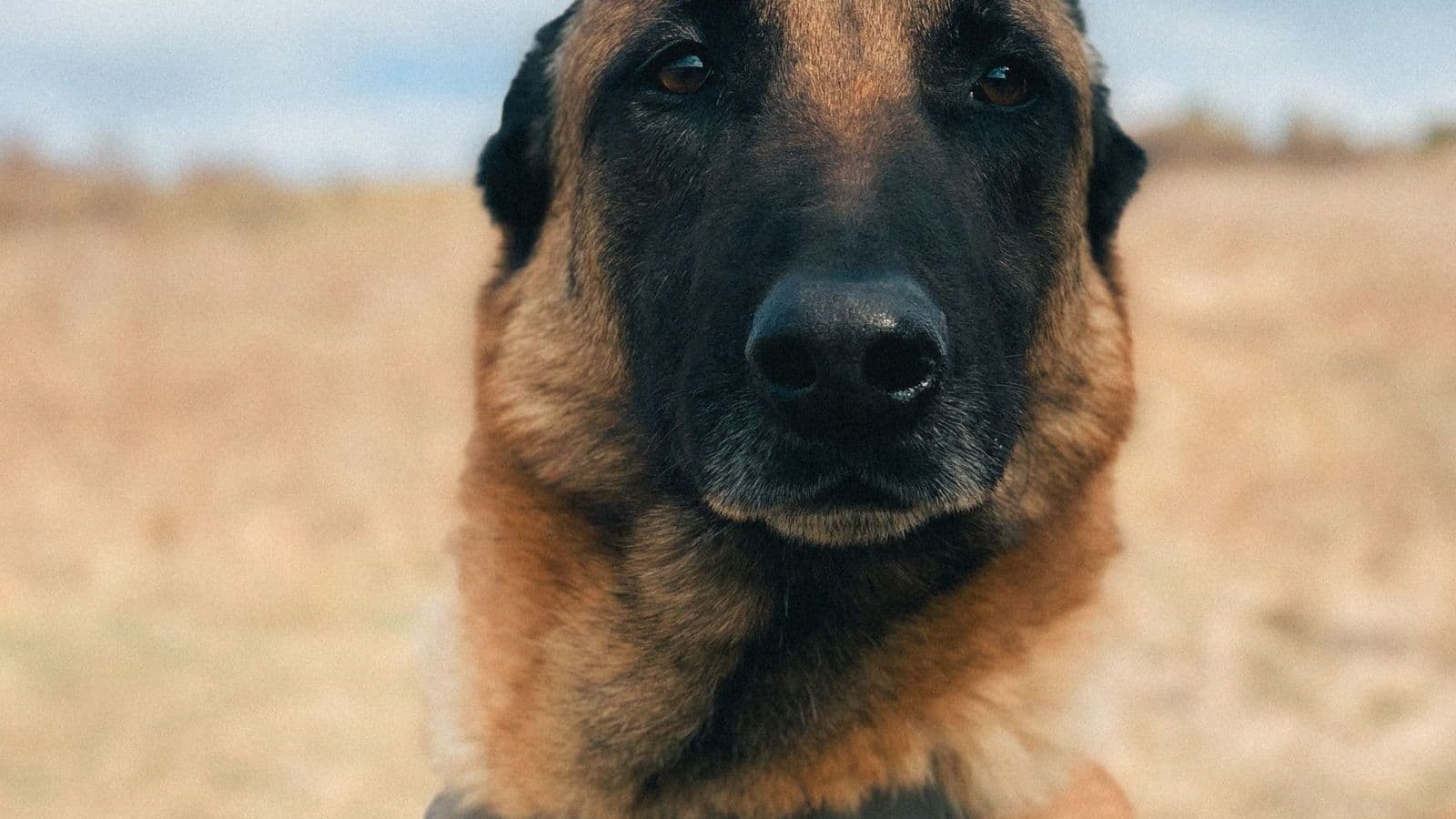
The Belgian Malinois is, by many measures, the most capable working dog in the world, the breed of choice for elite military and police units, protection sport, and demanding detection work. A Belgian herding breed built for relentless drive, athleticism, and intelligence, the Malinois is a phenomenal partner for the right handler and an overwhelming, often disastrous choice for the average pet home. Everything about the breed is turned up to maximum: the energy, the drive, the intensity, the need to work. There is no coasting with a Malinois.
That extreme drive and intelligence are the keys to training one, and they cut both ways. The Malinois is brilliant and learns with breathtaking speed, so reward-based training is hugely effective, but the breed needs a level of exercise, mental work, and purpose that almost no pet home can provide, and an under-stimulated Malinois becomes destructive, anxious, and even dangerous.
It is also sensitive and intensely bonded. Channel the drive with serious daily work and ideally a real job, socialize thoroughly, and handle with skill, and you get an extraordinary partner. Treat it as a normal pet, and you get a wound-up, frustrated, unmanageable dog. This is emphatically not a beginner's breed.
This guide covers what works with a Malinois, week by week, written for a committed, experienced owner who understands what the breed demands.
At a glance:
- Trainability: 10/10, learns with breathtaking speed, among the most trainable breeds
- Biggest risk factor: unmet drive, an under-stimulated Malinois can turn destructive and even dangerous
- Not just exercise: needs a real job, physical exercise alone never satisfies this mind
- Example: a Malinois left without daily mental work can start pacing, chewing, and reacting to everything that moves
- Not for: first-time owners or anyone without hours a day for serious work
What Makes Training a Malinois Different
Four breed traits shape your approach.
1. Extreme drive and energy. This is the defining reality. The Malinois has more drive and stamina than almost any breed, needing hours of vigorous exercise and serious mental work every day. Under-stimulated, it does not just misbehave; it can become destructive, anxious, neurotic, and reactive. A job is not optional.
2. Exceptional intelligence. The Malinois learns with astonishing speed and precision, which makes reward-based training powerful but also means it learns bad habits instantly and needs constant, advancing mental challenge. A bored genius is a dangerous thing in this breed.
3. Intense and sensitive. The Malinois is high-strung and deeply bonded, working for connection with its handler, and it is sensitive enough that harsh, unfair handling produces anxiety and reactivity rather than compliance. Skilled, fair, reward-based handling is essential.
4. Strong herding and protective instincts. The breed has a powerful drive to chase and grip movement, and a protective, watchful streak. Without thorough socialization and outlets, these become reactivity and nuisance behaviors. Channeled into sport or work, they are extraordinary.
Week-by-Week Training Plan for Your Malinois
Below is the framework we use at TailorPup for a Malinois-specific 12-week plan, written for an experienced owner. Run it at home; the order and emphasis are the point.
Weeks 1 and 2 : Foundation, Socialization, and Exercise
Engagement is instant with this brilliant breed. Run three to four five-minute sessions a day with high-value rewards, socialize broadly and positively to keep the protective and herding instincts sound, and establish a serious exercise routine from day one, because an under-exercised Malinois cannot settle or focus.
Weeks 3 and 4 : Core Commands and Impulse Control
Malinois learn extremely fast. Lure sit and down, mark, reward, and add cues once reliable, then move quickly to duration, precision, and heavy impulse-control work. This breed needs to think hard, so keep raising the bar and build a strong "off switch" alongside the drive.
Weeks 5 and 6 : Leash Work and Herding Redirection
Use stop-and-stand for pulling and a front-clip harness. Work on redirecting the chase-and-grip response onto legal outlets like a tug or flirt pole, rewarding the dog for disengaging from movement and checking in. Begin counter-conditioning to triggers. Our reactivity guide lays out the method.
Weeks 7 and 8 : Recall and Drive Control
Build a powerful recall on a long line, jackpot every success, and never call the dog for anything it dislikes. Work intensively on impulse control and settling, the skills that balance a Malinois's intensity, and channel the drive into structured tug, retrieve, and out games with clear rules.
Weeks 9 and 10 : Channeling Energy with a Real Job
This is where the breed lives or dies as a companion. Give the Malinois a genuine job: protection sport with a qualified club, advanced obedience, agility, herding, tracking, or detection-style scent work. A Malinois with serious daily work and a job is an extraordinary dog; one without is a liability. Physical exercise alone never suffices.
Weeks 11 and 12 : Generalization
Prove the skills in demanding real-world settings: precise heeling past heavy distraction, reliable recall around movement, calm responses to triggers, and a genuine off switch at home. A Malinois that performs in training but cannot settle in life is only partly trained, and these last two weeks, plus ongoing work, are how you build a stable adult.
Common Malinois Training Mistakes
Three mistakes show up over and over with this breed.
Mistake 1 : Getting one as a normal pet. This is the fundamental error. The Malinois needs far more exercise, mental work, and purpose than a typical home can give, and under-stimulated it becomes destructive, anxious, and reactive. The breed suits experienced, active owners with a real outlet, not average pet homes.
Mistake 2 : Failing to provide a job and an off switch. Drive without an outlet turns inward into obsessive, neurotic, and reactive behavior. Give the Malinois serious daily work and deliberately train calmness and settling, not just more arousal.
Mistake 3 : Using harsh, unfair handling or skipping socialization. The intense, sensitive breed becomes anxious and reactive under harshness, and under-socialized its herding and protective instincts become problems. Handle with skill and fairness and socialize heavily. The full list is in our Belgian Malinois training mistakes guide.
Frequently Asked Questions
Are Belgian Malinois easy to train ? For a skilled, committed handler, they are extraordinarily trainable, among the best of any breed. But that trainability comes with extreme drive and needs that overwhelm most owners, so the breed is easy to train and very hard to live with unless you can meet its demands.
Are Belgian Malinois good for first-time owners ? No, emphatically. The extreme drive, energy, intensity, and need for serious work and skilled handling make the Malinois unsuitable for novices and for most pet homes. It suits experienced working-dog owners with a real outlet.
How much exercise does a Malinois need ? A great deal: hours of vigorous physical exercise plus serious mental work and ideally a job, every single day. Under-stimulated Malinois become destructive, anxious, and reactive. This is the most demanding common breed in terms of needs.
Why is my Malinois destructive or neurotic ? Almost always from unmet drive in a breed built to work intensely. Without enough exercise, mental work, and a real job, that drive turns into obsessive, destructive, and reactive behavior. Meeting the needs and adding a job and an off switch is the fix.
Is positive reinforcement effective for Malinois ? Yes, ideally, paired with skilled, fair handling. The brilliant, intense breed thrives on reward-based training and structured drive work, and becomes anxious and reactive under harsh, unfair methods.
Can I let my Malinois off-leash ? With a strong trained recall and in appropriate areas, often yes, since the breed is so trainable, but the herding and chase drive means recall must be powerfully proofed first. Build it carefully on a long line.
Are Belgian Malinois good family dogs ? Only in experienced, very active homes that can meet their needs and provide a job. They are devoted and bond intensely, but their drive, intensity, and herding and protective instincts make them a poor fit for typical family life.
Why TailorPup Was Built for Belgian Malinois
A generic plan is genuinely dangerous for this breed, because it ignores the extreme drive, the need for a real job, and the off switch that a Malinois must be taught. Treating one as a normal pet is how problems start.
TailorPup builds a 12-week plan around your specific dog: its elite working nature, its age, and the behaviors you are seeing. For a Malinois that means a serious exercise-and-job-first structure, heavy impulse-control and off-switch training, drive channeling into legal outlets, thorough socialization, and skilled reward-based methods for a brilliant, intense mind.
Daily 12-minute sessions plus weekly adjustments based on your dog's progress. Plans from $9.99/month, no trial; annual starts at $2 for 7 days. Cancel anytime.
Related: Belgian Malinois Training Mistakes · Recall Training · Reactivity Training · Leash Pulling