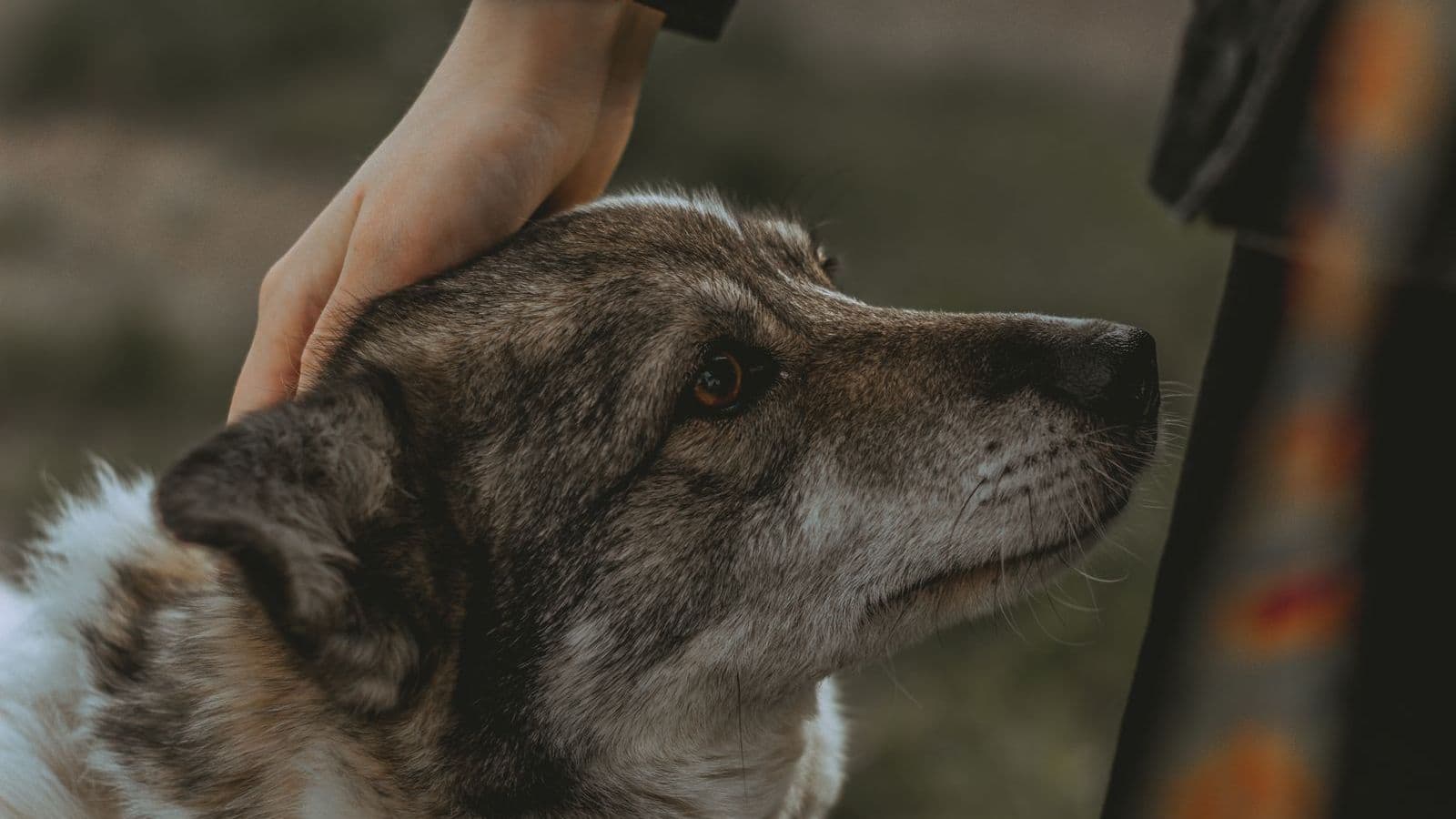
The Swedish Vallhund is an ancient Viking herding breed, a small, powerful, long-bodied spitz that has driven cattle across Scandinavia for well over a thousand years. With its low-slung corgi-like build and its sharp spitz face and prick ears, it looks like a cross between the two, and it works like a true herder: quick, bold, and tireless. The breed nearly went extinct in the 1940s and was rebuilt from a handful of dogs, so today's Vallhund is the descendant of a determined preservation effort and still very much a working dog at heart.
That heritage is the key to training one. A Vallhund is intelligent, eager, and affectionate, and it takes to reward-based training with enthusiasm. But it is also a herding dog with a real job description encoded in its instincts: it drives cattle by nipping at heels, it is intensely alert and vocal, and it has the energy and brains to need a genuine outlet. Channel those instincts and you have a clever, devoted, fun companion. Leave them unmet and you get a heel-nipping, barking, restless dog.
This guide covers what works with a Vallhund, week by week, built around how a smart, busy herding spitz actually learns.
At a glance:
- Trainability: 8/10, intelligent and eager, takes to reward-based training with enthusiasm
- Biggest risk factor: herding-driven heel-nipping directed at children, joggers, and other dogs
- Alert-bark tendency: spitz plus herding heritage makes it genuinely vocal at movement and sound
- Example: without an outlet, a Vallhund nips at a jogger's heels as they pass the yard.
- Not for: owners who can't give the breed regular mental work or manage a long spine prone to back injury
What Makes Training a Vallhund Different
Four breed traits shape your approach.
1. Intelligent and eager to work. Vallhunds learn quickly and enjoy training, which makes reward-based methods efficient and rewarding. The flip side is that this clever, busy breed needs regular mental work, or it will invent jobs you did not assign, usually involving noise and motion.
2. A herding drive that includes heel-nipping. The breed drives cattle by darting in and nipping at heels, and that instinct can land on running children, joggers, and other dogs. It is not aggression; it is herding. You manage it by teaching from the start that nipping is never rewarded and by giving the drive a legal outlet.
3. A strong alert-bark. Spitz heritage plus herding heritage makes the Vallhund genuinely vocal. It barks at movement, sounds, and excitement. Early, consistent quiet-shaping is essential to keep an alert dog from becoming a noisy one.
4. A long back that needs protecting. Like the corgi it resembles, the Vallhund has a long spine and short legs, so repeated high-impact jumping and stair-bombing raise the risk of back problems. Build back-protective habits into daily life from puppyhood.
Week-by-Week Training Plan for Your Vallhund
Below is the framework we use at TailorPup for a Vallhund-specific 12-week plan. Run it at home; the order and emphasis are the point.
Weeks 1 and 2 : Foundation and Socialization
Engagement is easy with this eager breed, so use the head start. Run three to four five-minute sessions a day: name, mark eye contact, reward. Socialize broadly, and from day one teach that nipping never earns a reaction or a game, redirecting it immediately onto a toy. This sets the tone for the herding work ahead.
Weeks 3 and 4 : Core Commands
Vallhunds learn fast. Lure sit and down, mark, reward, and add cues once reliable. Build duration on stay, and add hand signals and tricks, which suit this clever breed and give its mind a workout alongside its body.
Weeks 5 and 6 : Leash Work and Herding Redirection
Use stop-and-stand for pulling and a comfortable harness. Crucially, work on redirecting the herding and nipping response: reward your Vallhund for noticing movement and then looking back at you, and begin gentle counter-conditioning if it reacts to dogs or bikes. Our reactivity guide lays out the method.
Weeks 7 and 8 : Recall and Barking
Build recall on a long line in low-distraction areas, paying every success well, since the herding drive can pull the dog toward movement. In parallel, formalize quiet: reward calm at windows and doors, manage triggers, and teach a clear "quiet" cue rather than shouting. See our barking guide for the full protocol.
Weeks 9 and 10 : Channeling Energy and Back Care
Give the herding brain a job: herding-style games, agility set up for a long-backed dog, fetch with rules, and scent work all suit the breed. At the same time, build back-protective habits, discouraging jumping on and off furniture and using ramps where helpful. A satisfied Vallhund is a calm one.
Weeks 11 and 12 : Generalization
Prove the skills in the real world: loose-leash walking past distractions, recall in a fenced area with temptation present, calm and quiet behavior in busier places. These last two weeks are about consistency and proofing the recall, quiet, and herding redirection around real movement.
Common Vallhund Training Mistakes
Three mistakes show up repeatedly with this breed.
Mistake 1 : Underestimating the exercise and mental needs. This is a working herder in a small body. Under-stimulated Vallhunds nip, bark, and become difficult. Provide real daily exercise plus mental work, and most of the breed's "problems" simply do not appear.
Mistake 2 : Letting heel-nipping slide. Allowing a puppy to nip heels, even in play, rehearses the very behavior you do not want around children and guests. Address it early and consistently, redirecting to a sanctioned game every time.
Mistake 3 : Ignoring the barking or the back. The vocal tendency becomes a habit if unmanaged, and the long spine is vulnerable to injury from repeated jumping. Shape quiet early and build back-protective habits. The full list is in our Swedish Vallhund training mistakes guide.
Frequently Asked Questions
Are Swedish Vallhunds easy to train ? Yes. The breed is intelligent and eager, so reward-based training is effective and enjoyable. The challenges are channeling the herding drive, managing nipping and barking, and meeting the exercise needs rather than the learning itself.
Why does my Vallhund nip at heels ? Because it was bred to drive cattle by nipping heels, so it is herding instinct, not aggression. Never reward it; redirect to chase-and-tug games and manage situations with running children until the dog has a reliable alternative.
How much exercise does a Vallhund need ? Around 60 minutes of activity daily plus mental work. The breed is a herding spitz with real energy, and walks, herding games, agility, and play all help. Under-exercised Vallhunds nip and bark.
Can I let my Vallhund off-leash ? In a securely fenced area, yes. In open spaces, build a solid recall first, because the herding drive can pull the dog toward movement. Use a long line until recall is reliable.
Do Swedish Vallhunds have back problems like corgis ? They share the long-backed, short-legged build, so the spine is more vulnerable than average. Limiting repeated high-impact jumping and keeping the dog at a healthy weight meaningfully reduce the risk.
Is positive reinforcement effective for Vallhunds ? Yes, it is ideal. The intelligent, eager breed thrives on engaging reward-based training and does not need or respond well to harsh methods.
Are Swedish Vallhunds good family dogs ? Yes, for active families. They are affectionate, lively, and devoted, but the herding nipping and barking mean they do best where the energy is channeled and children are taught how to interact with them.
Why TailorPup Was Built for Swedish Vallhunds
A generic plan ignores the things that define this breed: the herding drive and nipping, the barking, the energy, and the long back. That mismatch is why standard advice frustrates Vallhund owners.
TailorPup builds a 12-week plan around your specific dog: its herding instincts, its age, and the behaviors you are seeing. For a Vallhund that means early nipping redirection, a dedicated barking protocol, adequate exercise and mental work, and back-protective habits built into the routine.
Daily 12-minute sessions plus weekly adjustments based on your dog's progress. Plans from $9.99/month, no trial; annual starts at $2 for 7 days. Cancel anytime.
Related: Swedish Vallhund Training Mistakes · Reactivity Training · Recall Training · Barking Solutions