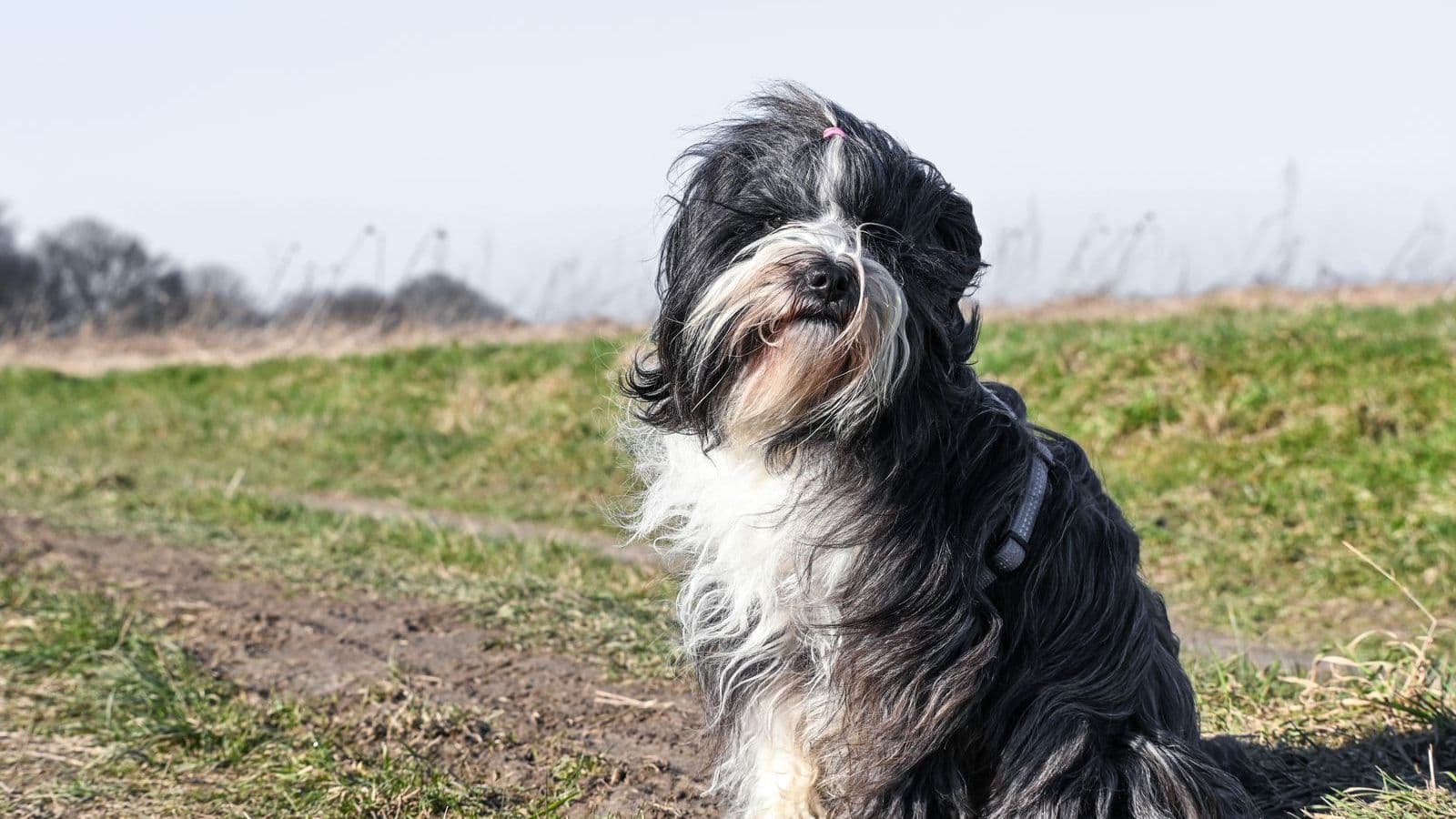
The Tibetan Terrier is one of the oldest companion breeds in the world, and despite the name it is not a terrier at all. Raised for centuries by Tibetan monks in the monasteries of the Himalayas, it was kept as a beloved companion, a watchful guardian, and a bringer of good luck, never sold but given as a gift. That heritage shaped a dog very different from the working terriers it was misnamed after: sensitive, intelligent, deeply bonded to its people, and gently independent rather than driven.
Understanding that history is the key to training one. A Tibetan Terrier is bright and affectionate and wants to be near its family, but it is also a thinking dog with its own opinions and a watchdog's reserve toward strangers. It thrives on partnership and shuts down under pressure. Work with its sensitivity, socialize it well, and stay patient, and you get a devoted, adaptable, well-mannered companion. Push it with harsh corrections or skip socialization, and you get a worried, reactive, or stubborn dog.
This guide covers what works with a Tibetan Terrier, week by week, built around how a sensitive, intelligent companion breed actually learns rather than how a working terrier learns.
At a glance:
- Trainability: 7/10, bright and bonded, but a thinking dog that weighs each request
- Biggest risk factor: harsh handling, this sensitive breed shuts down under corrections
- Not actually a terrier: despite the name, a companion and watchdog breed with no terrier ancestry
- Example: a Tibetan Terrier corrected harshly even once can carry that worry into future sessions, gentle is non-negotiable
- Not for: owners who lean on corrections or want a relentless people-pleaser
What Makes Training a Tibetan Terrier Different
Four traits shape your approach.
1. Sensitive and intelligent. The breed is genuinely smart and forms close bonds, which means it reads your tone and body language closely. Gentle, upbeat, reward-based methods bring out a willing partner; harshness makes the dog anxious and shut down. This sensitivity is the single most important thing to respect.
2. Gently independent. Unlike a Labrador, the Tibetan Terrier is not a relentless people-pleaser. It will weigh a request and sometimes decline, especially if training is boring or repetitive. It complies happily when genuinely motivated, so keep sessions short, varied, and worth its while.
3. A watchdog's alert-bark. Bred to sound the alarm in the monasteries, the breed alerts readily to sights and sounds. This becomes a hard habit if left unmanaged, so shape and reward quiet from the start rather than after the barking sets in.
4. Reserved with strangers and grooming-heavy. A natural reserve toward new people is part of the watchdog heritage, and thorough socialization keeps it stable rather than fearful. The long, profuse double coat also needs regular grooming, so early desensitization to brushing and handling matters as much as obedience.
Week-by-Week Training Plan for Your Tibetan Terrier
Below is the framework we use at TailorPup for a Tibetan Terrier-specific 12-week plan. Run it at home; the order and emphasis are the point.
Weeks 1 and 2 : Foundation and Socialization
Build engagement with high-value rewards and prioritize socialization, since the breed is naturally reserved. Run three to four five-minute sessions a day: name, mark eye contact, reward. Expose the puppy calmly to new people, places, and sounds, and begin grooming desensitization now, pairing gentle brushing with treats so the coat care ahead is stress-free. Our puppy basics guide covers the foundations.
Weeks 3 and 4 : Core Commands
Tibetan Terriers learn well when motivated. Lure sit and down, mark, reward, and add cues once reliable. Keep sessions gentle, short, and varied to hold the interest of an independent thinker, and end on a success so the dog stays keen.
Weeks 5 and 6 : Leash Work and Barking
Use stop-and-stand for pulling and a comfortable harness. Begin formal barking management: reward calm at windows and doors, manage triggers, and teach a clear "quiet" cue rather than reacting to the noise. See our barking guide for the full protocol.
Weeks 7 and 8 : Recall and Confidence
Build recall on a long line in low-distraction areas first, paying every success well, and never call the dog for anything it dislikes. Keep socializing throughout to keep the breed's reserve stable, rewarding calm, voluntary interest in new people rather than forcing greetings.
Weeks 9 and 10 : Mental Work and Grooming
Channel the breed's intelligence with puzzle feeders, trick training, and scent games, which suit a thinking dog far better than drilling. Continue building grooming tolerance so the heavy coat stays mat-free and handling stays positive. A mentally satisfied Tibetan Terrier is a calm one.
Weeks 11 and 12 : Generalization
Prove the skills in the real world: calm loose-leash walking past distractions, commands in busier places, and settled, confident responses to strangers. These last two weeks are about consistency and proofing the recall, quiet, and confidence rather than new skills.
Common Tibetan Terrier Training Mistakes
Three mistakes show up repeatedly with this breed.
Mistake 1 : Using harsh handling. This is the big one. The sensitive Tibetan Terrier shuts down or grows anxious under corrections, scolding, or pressure. Keep everything gentle and reward-based; it is not just kinder, it is the only approach that works with this breed.
Mistake 2 : Skipping socialization. Under-socialized, the breed's natural reserve curdles into fear and reactivity toward strangers. Broad, positive early exposure, continued through the first year, is what produces a confident, stable adult.
Mistake 3 : Letting barking and grooming slide. The watchdog alert-bark becomes a habit if ignored, and the heavy coat mats painfully without regular, well-tolerated grooming. Address both early. The full list is in our Tibetan Terrier training mistakes guide.
Frequently Asked Questions
Are Tibetan Terriers easy to train ? Reasonably. They are intelligent and bond closely, but they are also mildly independent and sensitive, so they need gentle, motivating, varied sessions rather than drilling. With patient reward-based training, they do well; house training and barking need the most attention.
Is the Tibetan Terrier actually a terrier ? No. Despite the name, it is an ancient companion and watchdog breed with no terrier ancestry, given its English name by early Western owners. Train it as a sensitive companion, not as a prey-driven working terrier.
How much exercise does a Tibetan Terrier need ? Around 45 to 60 minutes of activity daily plus mental work. The breed is moderate-energy and adaptable, happy in town or country, but it needs consistent engagement and enrichment to stay content.
Why is my Tibetan Terrier reserved with strangers ? It is the watchdog nature: naturally reserved with outsiders while devoted to family. Heavy, positive socialization keeps that reserve stable rather than fearful, and you should never force the dog into stranger interactions it is not ready for.
Do Tibetan Terriers need a lot of grooming ? Yes. The long, profuse double coat needs regular brushing to prevent matting, plus routine maintenance. Building grooming tolerance early, through positive handling, is an essential part of training this breed.
Is positive reinforcement effective for Tibetan Terriers ? It is the only approach that works well. The sensitive breed shuts down under harshness, while gentle, motivating, reward-based training earns a willing, confident partner.
Are Tibetan Terriers good family dogs ? Yes. They are affectionate, adaptable, and devoted to their people, including respectful children, provided their socialization, exercise, and grooming needs are met. Their watchdog reserve simply means they take a little time to warm to strangers.
Why TailorPup Was Built for Tibetan Terriers
A generic plan ignores the things that define this breed: the sensitivity, the gentle independence, the reserve, and the watchdog bark. That mismatch is why standard, one-size-fits-all advice frustrates owners of the breed.
TailorPup builds a 12-week plan around your specific dog: its companion-breed nature, its age, and the behaviors you are seeing. For a Tibetan Terrier that means gentle reward-based methods, front-loaded socialization, an early barking protocol, and grooming desensitization woven into the routine.
Daily 12-minute sessions plus weekly adjustments based on your dog's progress. Plans from $9.99/month, no trial; annual starts at $2 for 7 days. Cancel anytime.
Related: Tibetan Terrier Training Mistakes · Recall Training · Puppy Training Basics · Barking Solutions