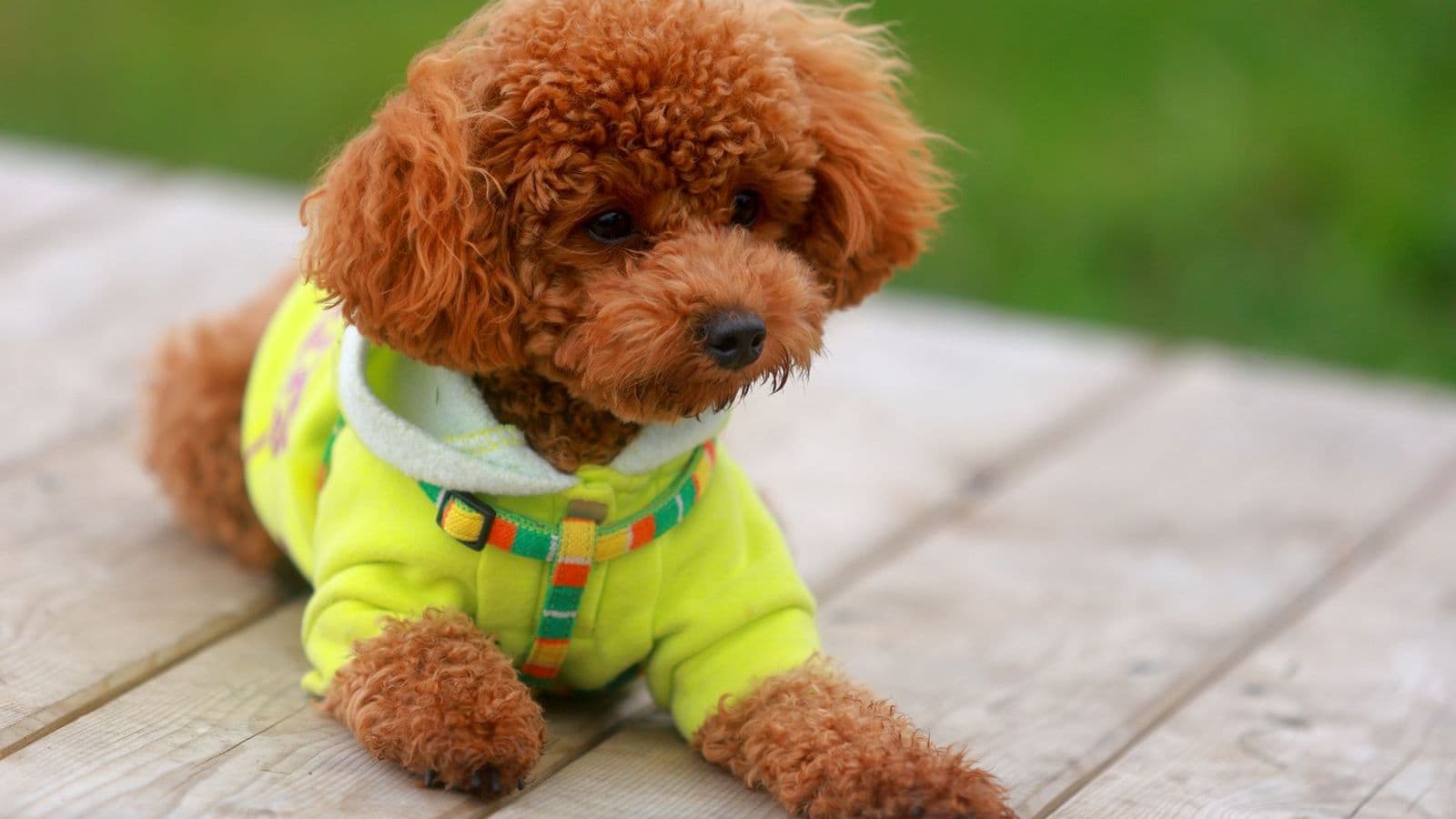
The Toy Poodle is the smallest of the three Poodle varieties, bred down from the same German water-retrieving stock that produced the Standard, and standardized as a companion in eighteenth-century France and England, where it became a favorite of nobility and, later, circus performers who prized its trainability. At under 28 cm tall and 2-4 kg, it is tiny, elegant, and endlessly charming, but it shares every bit of the Poodle's famous intelligence, sitting alongside its larger cousins near the very top of the canine intelligence rankings.
That combination of tiny size and brilliant mind is the whole story of training a Toy Poodle. The breed learns with astonishing speed, retains effortlessly, and genuinely enjoys working, which makes it capable of obedience, agility, and trick repertoires that astonish people who think of it as a lap ornament. It is affectionate, lively, and devoted, bonding closely to its people and thriving on engagement and attention.
The risk, and it is a real one, comes from the size. The Toy Poodle's diminutive frame and appealing looks tempt owners into carrying it everywhere, excusing behavior they would never accept from a larger dog, and skipping the training a brilliant mind craves, the fast road to small dog syndrome and a yappy, demanding, anxious little dog. The Toy Poodle is fully capable of being a superbly mannered companion; the question is only whether the owner treats it as the intelligent dog it is. Given consistent rules, mental challenge, and reward-based training, it is one of the most delightful and capable small dogs in the world.
At a glance:
- Trainability: 10/10, learns with astonishing speed and retains effortlessly
- Biggest risk factor: small dog syndrome from owners making size-based exceptions
- Alert barking: bright and watchful, barks readily at arrivals unless a "quiet" cue is installed early
- Example: a Toy Poodle carried everywhere never learns leash manners or confidence; walking it on its own feet fixes this.
- Not for: owners who want to treat a small dog as a fragile ornament rather than train it
What Makes Training a Toy Poodle Different
1. Small dog syndrome is the central risk. The tiny size and charm tempt owners into carrying the dog, excusing behavior, and skipping training, which produces a demanding, yappy, anxious dog. Holding consistent rules and treating the Toy Poodle as a real, capable dog prevents this entirely.
2. Brilliant intelligence in a tiny body. The breed is among the most intelligent of all dogs and bores quickly without challenge. Trick training, nose work, and steadily advancing difficulty keep the sharp mind engaged and prevent the anxiety and mischief that boredom brings.
3. An alert-barking tendency. Bright and watchful, the Toy Poodle barks readily at arrivals and noises, and the habit forms fast in a small, easily-excited dog. A "quiet" cue installed early is essential.
4. Sensitivity and a need for gentle handling. Like all Poodles, the toy variety is sensitive to its handler's mood and to rough handling, and its small size makes it physically fragile too. Calm, positive, reward-based training suits the breed perfectly.
Week-by-Week Training Plan for Your Toy Poodle
Weeks 1 and 2 : Foundation and Consistent Rules
Establish rules without size-based exceptions and engage the bright mind. Our puppy basics guide covers the mechanics.
- Set household rules with no exceptions for the dog's small size.
- Walk the puppy on its own four feet rather than carrying it.
- Begin a "quiet" cue and pair short sessions with high-value food.
- Begin gentle grooming handling, since the coat needs regular care.
Weeks 3 and 4 : Core Commands, Progressed Quickly
The Toy Poodle masters basics in days, so add complexity fast.
- Teach sit, down, stay, and leave it, then layer in distance and duration.
- Add a recall and a settle cue.
- Keep sessions short, varied, and engaging.
Weeks 5 and 6 : Loose Leash and Public Confidence
Install leash manners and build confidence in new places.
- Use a Y-harness and the stop-and-stand method for loose-leash walking.
- Take calm outings in varied environments.
- Reward four-on-the-floor greetings rather than jumping or demanding to be held.
Weeks 7 and 8 : Bark Management and Recall
Proof "quiet" and build a reliable recall.
- Apply "quiet" at windows, doors, and visitor arrivals.
- Train recall on a long line in a fenced area.
- Reward calm, settled behavior generously.
Weeks 9 and 10 : Tricks and Mental Work
Engage the brilliant mind with real challenge.
- Teach spin, shake, weave, and skill chains, which the breed excels at.
- Introduce nose work and puzzle feeders for mental fatigue.
- Keep raising the difficulty to hold interest.
Weeks 11 and 12 : Advanced Skills and Proofing
Consolidate and keep advancing.
- Proof all cues, including "quiet," in distracting environments.
- Advance trick or agility work suited to the breed's capacity.
- Establish a sustainable rhythm of activity, enrichment, and grooming.
Common Toy Poodle Training Mistakes
Mistake 1 : Making size-based exceptions. Small dog syndrome is the central risk. The Toy Poodle is fully capable of manners, hold consistent rules.
Mistake 2 : Carrying instead of walking. A carried Toy Poodle never develops confidence or leash manners. Let it walk on its own feet.
Mistake 3 : Allowing alert barking. The bright breed barks readily; install a "quiet" cue early.
Mistake 4 : Too little mental challenge. The brilliant mind needs engagement; trick training suits it perfectly. Full breakdown : Toy Poodle training mistakes.
Frequently Asked Questions
Are Toy Poodles easy to train ? Exceptionally so, they share the Poodle's near-unmatched intelligence and learn with astonishing speed. They excel at obedience, agility, and tricks far beyond what people expect of a tiny dog. The only real obstacle is the owner's temptation to treat them as fragile ornaments rather than the capable dogs they are.
Are Toy Poodles good apartment dogs ? Excellent, they are compact, adaptable, and calm indoors once their needs are met. A reliable "quiet" cue is important in close quarters, since the bright, alert breed barks readily, but a well-trained, mentally engaged Toy Poodle is a considerate neighbor.
Are Toy Poodles hypoallergenic ? The dense, curly, low-shedding coat is among the most tolerated by allergy sufferers, though no dog is truly hypoallergenic. It traps loose hair rather than dropping it, which means less shedding but significant grooming needs.
Are Toy Poodles good with children ? With gentle, respectful, older children, yes, they are affectionate and playful. Their small size makes them physically fragile, so very young children must be supervised closely to prevent accidental injury.
Are Toy Poodles yappy ? They can be, if alert barking is allowed to become a habit, which happens easily in bright, watchful small dogs. With early "quiet" training and enough mental stimulation, the barking stays reasonable and the breed is no noisier than any other.
How much exercise does a Toy Poodle need ? Thirty to forty-five minutes of activity daily, plus mental work. Despite the size, the breed is lively and benefits from real walks and play, and the mental challenge of training matters as much as the physical exercise.
How long do Toy Poodles live ? Typically twelve to sixteen years, one of the longer-lived breeds. Responsible breeders screen for the eye, knee, and dental conditions seen in toy breeds, and a well-cared-for Toy Poodle often stays sharp and active well into old age.
Why TailorPup Was Built for Toy Poodles
A generic small-dog plan treats the Toy Poodle as a fragile accessory and skips the consistent rules and mental challenge a brilliant mind needs, opening the door to small dog syndrome. TailorPup's Toy Poodle plan prevents that by holding consistent rules, engaging the exceptional intelligence, and managing the alert barking from day one.
Daily 12-minute training sessions plus weekly adjustments. Plans from $9.99/month, no trial; annual starts at $2 for 7 days. Cancel anytime.
Related: Toy Poodle Training Mistakes · Barking Solutions · Puppy Training Basics