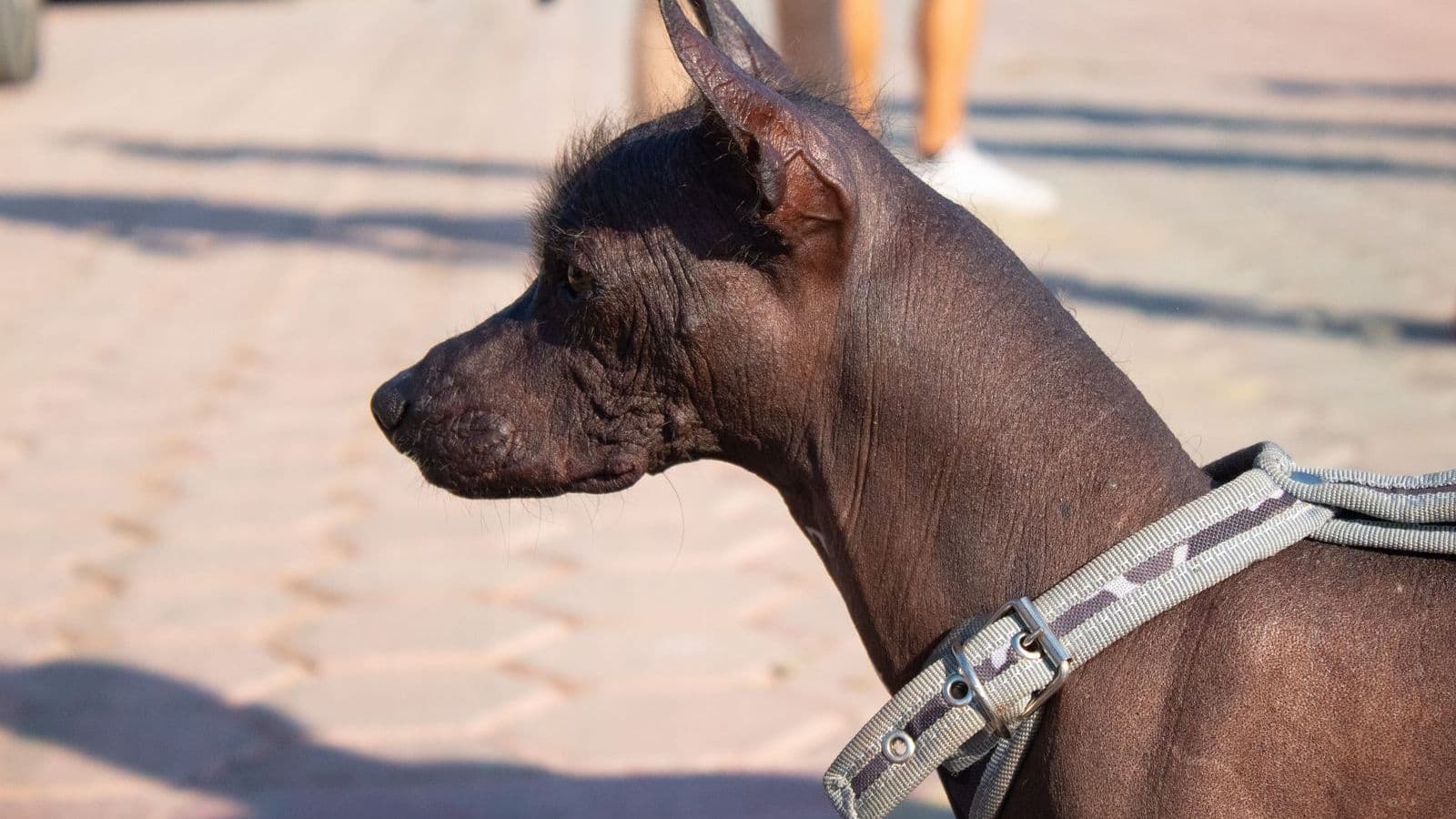
The Xoloitzcuintli, or Xolo, is one of the oldest and most remarkable breeds in the world, a Mexican hairless dog revered by the Aztecs as a sacred companion and guide between worlds. Coming in toy, miniature, and standard sizes and in both hairless and coated varieties, the Xolo is a calm, intelligent, primitive breed that has changed little over thousands of years. It is intensely devoted to its people, alert and watchful by nature, and reserved with strangers, with a quiet dignity that sets it apart from more boisterous modern breeds.
Two threads run through training a Xolo: its sensitivity and its powerful bond. This is an emotionally attuned, primitive dog that reads its person closely, thrives on connection, and shuts down or grows anxious under harsh handling. It is genuinely intelligent and trainable, but it cooperates out of relationship rather than blind obedience, and it needs thorough socialization to keep its natural reserve from tipping into wariness. Add the special skin care that a hairless breed requires, and you have a dog that rewards a calm, patient, relationship-first approach and struggles with anything harsher.
This guide covers what works with a Xolo, week by week, built around how a sensitive, primitive, deeply bonded breed actually learns.
At a glance:
- Trainability: 7/10, cooperates well through relationship rather than blind obedience
- Biggest risk factor: over-attachment, the intense bond can tip into distress when left alone
- Care note: the hairless variety needs sun protection and careful skin care
- Example: a Xolo left alone with no independence training can start showing distress within minutes, prevention is far easier than the cure
- Not for: owners who use harsh corrections or won't commit to independence training
What Makes Training a Xolo Different
Four breed traits shape your approach.
1. Highly sensitive and emotionally attuned. The Xolo reads your mood and tone closely and responds to calm, warm, reward-based handling. Harshness, raised voices, or pressure shut it down and damage the trust the breed depends on. Gentle, relationship-first training is essential, not optional.
2. Intensely bonded. The Xolo attaches deeply to its people and wants to be with them, which makes it wonderfully cooperative but also prone to distress if isolated. Building gentle independence early prevents over-attachment, and the bond itself is your biggest training asset.
3. Primitive, intelligent, and reserved. As an ancient breed, the Xolo is bright but independent-minded, and naturally watchful and reserved with strangers. Thorough, positive socialization keeps that reserve stable rather than fearful, and engaging the dog's intelligence keeps training interesting.
4. Special skin care for the hairless variety. A hairless Xolo's skin needs real attention: sun protection, gentle cleansing, and care against cold and scrapes. Early, positive handling makes bathing, sunscreen, and skin checks stress-free, which is a genuine part of raising the breed.
Week-by-Week Training Plan for Your Xolo
Below is the framework we use at TailorPup for a Xolo-specific 12-week plan. Run it at home; the order and emphasis are the point.
Weeks 1 and 2 : Foundation, Socialization, and Handling
Build engagement with high-value, gentle rewards and socialize broadly, since the breed is naturally reserved. Run three to four short sessions a day: name, mark eye contact, reward warmly. Begin gentle handling and skin-care desensitization now, pairing touch, bathing, and sun protection with treats. Our puppy basics guide covers the foundations.
Weeks 3 and 4 : Core Commands
Xolos learn well when engaged. Lure sit and down, mark, reward, and add cues once reliable. Keep sessions calm, short, and varied to suit a sensitive, intelligent dog, and end on a clear success so the dog stays confident and willing.
Weeks 5 and 6 : Leash Work and Independence
Use stop-and-stand for pulling and a comfortable harness. Begin gentle independence training in parallel: short, calm absences and a settle spot of the dog's own, so the strong bond does not become over-attachment. Reward calm, settled behavior generously.
Weeks 7 and 8 : Recall and Confidence
Build recall on a long line in low-distraction areas, paying every success well, and never call the dog for anything it dislikes. Keep socializing throughout to build confidence with strangers and novelty, rewarding voluntary, relaxed interest rather than forcing greetings.
Weeks 9 and 10 : Mental Work and Skin Care
Channel the breed's intelligence with trick training, scent games, and puzzles, which suit a thinking dog far better than drilling. Keep up the skin-care routine and handling so it stays a calm, positive part of life. A mentally engaged, well-handled Xolo is a content one.
Weeks 11 and 12 : Generalization
Prove the skills in the real world: calm loose-leash walking past distractions, recall in a fenced area, settled responses to strangers, and continued alone-time practice. These last two weeks are about consistency and proofing the recall, confidence, and independence rather than new skills.
Common Xolo Training Mistakes
Three mistakes show up repeatedly with this breed.
Mistake 1 : Using harsh handling. This is the cardinal error. The sensitive Xolo shuts down and loses trust under corrections, raised voices, or pressure. Keep every session calm, warm, and reward-based; it is the only approach that brings out a willing, confident dog.
Mistake 2 : Skipping socialization. Under-socialized, the breed's natural reserve becomes fearfulness or wariness toward strangers. Broad, positive early exposure, continued through the first year, is what produces a stable, confident adult.
Mistake 3 : Allowing over-attachment. The intense bond is lovely but can tip into distress when the dog is left alone. Build gentle independence from the start. The full list is in our Xoloitzcuintli training mistakes guide.
Frequently Asked Questions
Are Xoloitzcuintli easy to train ? Reasonably, with the right approach. They are intelligent and bond closely, which helps, but they are sensitive and primitive, so they need calm, warm, reward-based training and thorough socialization rather than pressure or drilling.
Do Xolos need special skin care ? The hairless variety does. Its skin needs sun protection, gentle cleansing, and care against cold and abrasion. Building tolerance for bathing, sunscreen, and skin checks early, through positive handling, is an important part of training and care.
How much exercise does a Xolo need ? Around 45 to 60 minutes of activity daily plus mental work. The breed is moderate-energy, calm indoors, and adaptable, but it still needs consistent engagement and enrichment to stay balanced.
Why is my Xolo so attached to me ? Because the breed bonds intensely with its people; it is one of the Xolo's defining traits. Channel it by building gentle independence and rewarding calm alone time, so the wonderful bond does not become separation distress.
Are Xolos good with strangers ? They are naturally reserved and watchful with strangers, a primitive, watchdog trait. Thorough, positive socialization keeps that reserve stable, allowing the dog to be calm and polite rather than wary. Never force interactions.
Is positive reinforcement effective for Xolos ? It is essential. The sensitive, emotionally attuned breed thrives on calm, reward-based training and shuts down under harshness, which damages the trust the relationship depends on.
Are Xoloitzcuintli good family dogs ? Yes, for calm households. They are devoted, gentle, and clean, and good with respectful children, provided their socialization, skin care, and companionship needs are met. They do best when included in family life.
Why TailorPup Was Built for the Xoloitzcuintli
A generic plan ignores what defines this ancient breed: the sensitivity, the powerful bond, the natural reserve, and the special skin care. That mismatch is why standard, drill-based advice can quietly undermine a Xolo.
TailorPup builds a 12-week plan around your specific dog: its primitive nature, its age, and the behaviors you are seeing. For a Xolo that means calm, warm, reward-based methods, front-loaded socialization, gentle independence training, and skin-care handling woven into the routine.
Daily 12-minute sessions plus weekly adjustments based on your dog's progress. Plans from $9.99/month, no trial; annual starts at $2 for 7 days. Cancel anytime.
Related: Xoloitzcuintli Training Mistakes · Recall Training · Puppy Training Basics · Leash Pulling