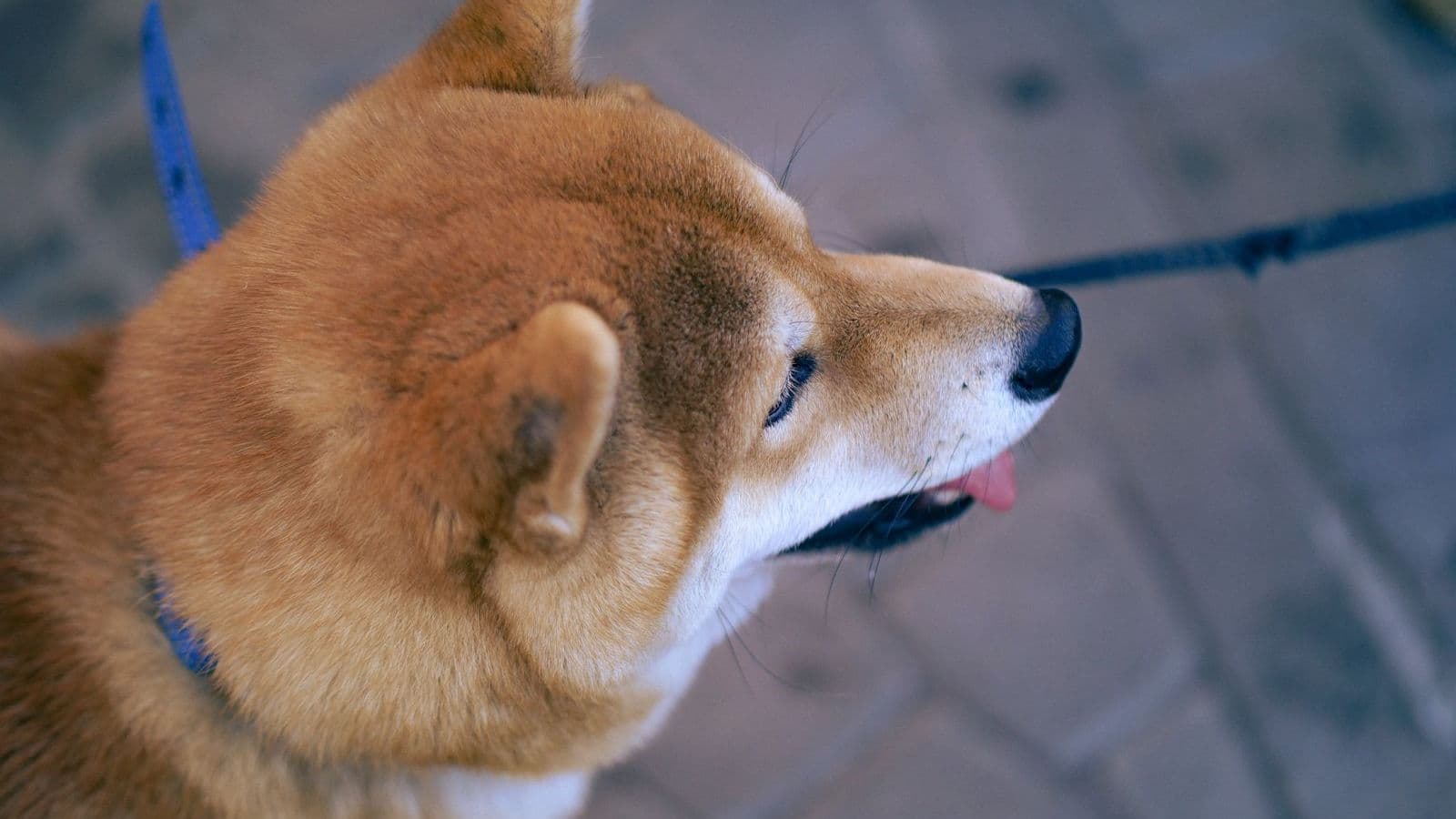
The Shiba Inu is the smallest and most popular of the ancient Japanese spitz breeds, originally bred to hunt small game and birds in the mountains of Japan. Foxy, compact, and undeniably charming, the Shiba has become a global icon, but its looks hide a famously primitive, independent, and catlike temperament. Confident, aloof, and fastidiously clean, the Shiba does things on its own terms, bonds selectively, and carries itself with a self-possessed dignity that owners either adore or find maddening. It is a fascinating breed, and one of the more challenging to train.
That primitive, catlike independence is the key to training one, and it explains the breed's low conventional trainability. The Shiba weighs every request and frequently declines, it has a strong prey drive that makes recall genuinely unreliable, it is a determined escape artist, and it can throw the dramatic "Shiba scream" when displeased.
It is also sensitive, so harshness backfires. Use clever, motivating, reward-based training, manage the prey drive with secure containment, socialize thoroughly, and adjust your expectations, and you get a charming, dignified companion. Expect biddable obedience or trust the recall off-leash, and you will be outwitted.
This guide covers what works with a Shiba, week by week, built around how an independent, catlike primitive breed actually learns.
At a glance:
- Trainability: 5/10, bright but self-directed, weighs every request and frequently declines
- Biggest risk factor: strong prey drive plus escape-artist tendencies, recall and containment both need work
- Behavior note: the dramatic "Shiba scream" protest at handling, managed with calm desensitization
- Example: try to trim a Shiba's nails without prior desensitization and expect a loud, piercing protest.
- Not for: novice owners or homes with small pets, given the prey drive and possessiveness
What Makes Training a Shiba Different
Four breed traits shape your approach.
1. Catlike independence. The Shiba is bright but self-directed, evaluating requests and often deciding against them. This is a primitive, independent mind, not stupidity, and training must be genuinely clever and rewarding to compete with the dog's own agenda. Realistic expectations are essential.
2. A strong prey drive. Bred to hunt small game, the Shiba has a powerful chase instinct, and recall around movement is genuinely unreliable. Off-leash freedom in unfenced areas is unsafe, and the breed is often not trustworthy with small pets.
3. An escape artist with a dramatic streak. Shibas are clever, agile escapers, so secure, escape-proof containment is essential. They are also famous for the "Shiba scream," a dramatic, piercing protest when displeased, for example at nail trims, which calm desensitization helps manage.
4. Sensitive, clean, and possessive. Despite the aloofness, the Shiba is sensitive and shuts down under harshness. It is fastidiously clean, which helps house-training, but it can be possessive of food and toys, so resource-guarding prevention matters from the start.
Week-by-Week Training Plan for Your Shiba
Below is the framework we use at TailorPup for a Shiba-specific 12-week plan. Run it at home; the order and emphasis are the point, and realistic expectations are everything.
Weeks 1 and 2 : Foundation, Socialization, and Handling
Build engagement with high-value, motivating rewards and socialize broadly, since the breed is aloof. Run three to four short sessions a day: name, mark eye contact, reward. Begin gentle handling desensitization now, for nails and grooming, to head off the Shiba scream, and start trade games to prevent resource guarding. Our puppy basics guide covers the foundations.
Weeks 3 and 4 : Core Commands
Lure sit and down, mark, reward, and add cues once reliable, expecting a self-directed learner who needs a real reason to comply. Keep sessions very short, varied, and richly rewarded, never repetitive, and make training a game the Shiba chooses to play. End on a success.
Weeks 5 and 6 : Leash Work
Use a secure harness and a martingale collar, since the clever Shiba can slip a flat collar. Use stop-and-stand for pulling, reward checking in, and keep early walks calm and away from situations likely to fire the prey drive.
Weeks 7 and 8 : Recall (Manage Expectations) and Containment
Build recall on a long line, jackpot every success, and never call the dog for anything it dislikes, but be realistic that recall will lose to the prey drive; treat the long line and escape-proof fencing as permanent tools. Audit your containment now, because the Shiba will exploit any weakness.
Weeks 9 and 10 : Channeling Energy and Preventing Guarding
Give the clever, athletic dog real outlets: brisk walks, hikes, puzzle feeders, scent games, and short training games all suit it. Keep up trade-and-reward games around food and toys to prevent resource guarding, and continue calm handling for grooming. A satisfied, well-handled Shiba is far easier to live with.
Weeks 11 and 12 : Generalization
Prove the skills in the real world: calm leash walking past distractions, recall inside fenced areas with mild temptation, and settled, cooperative handling. A Shiba that listens at home but not around prey is normal, so these two weeks consolidate clever, realistic progress rather than chasing perfect obedience.
Common Shiba Training Mistakes
Three mistakes show up repeatedly with this breed.
Mistake 1 : Trusting off-leash recall. The strong prey drive and independence make an unfenced Shiba a real risk. Treat open spaces as long-line or escape-proof-fenced only, and accept that reliable off-leash recall is not realistic for the breed.
Mistake 2 : Expecting biddable obedience and getting frustrated. The Shiba is independent and catlike, and impatience or harshness backfires badly. Make training clever and rewarding, keep your cool through the drama, and adjust your expectations to a primitive breed.
Mistake 3 : Skipping handling and guarding prevention. Unaddressed, the Shiba scream at grooming and resource guarding become entrenched. Desensitize handling and run trade games early. The full list is in our Shiba Inu training mistakes guide.
Frequently Asked Questions
Are Shiba Inus easy to train ? No, they are among the more challenging breeds, being independent and catlike. They are intelligent but self-directed, so they need clever, motivating, reward-based training and realistic expectations. Recall in particular is unreliable, and force never works.
What is the Shiba scream ? It is a dramatic, piercing vocal protest some Shibas make when displeased or restrained, for example during nail trims or baths. It is normal for the breed; calm, gradual handling desensitization and reward-based cooperation reduce it.
Can I let my Shiba Inu off-leash ? Realistically, no, in open spaces. The strong prey drive and independence make recall unreliable, and the breed is an escape artist. Use a long line and escape-proof fencing, and keep the dog secured around small animals.
Why is my Shiba so stubborn ? Because primitive, catlike independence is core to the breed, not defiance. It cooperates when training is genuinely worth its while and resists pressure. Use clever, rewarding methods and realistic expectations rather than force.
Is positive reinforcement effective for Shibas ? Yes, and it is the only approach that works. The sensitive, independent breed shuts down under harshness, while clever, motivating, reward-based training earns what cooperation a self-directed dog can give.
Do Shiba Inus resource guard ? Some can be possessive of food and toys. Prevent it early with trade-and-reward games, teaching the dog that giving things up earns something better, and avoid confrontational tactics, which make guarding worse.
Are Shiba Inus good family dogs ? Yes, for the right experienced home. They are clean, charming, and devoted in their reserved way, good with respectful older children, but their independence, prey drive, escaping, and possessiveness make them a poor match for novices or homes with small pets.
Why TailorPup Was Built for Shiba Inus
A generic plan ignores everything that defines this breed: the catlike independence, the prey drive, the escaping, and the dramatic sensitivity. That mismatch is why standard advice leaves Shiba owners outwitted and frustrated.
TailorPup builds a 12-week plan around your specific dog: its primitive Japanese nature, its age, and the behaviors you are seeing. For a Shiba that means clever, motivating, reward-based methods, a realistic recall approach with long-line and escape-proof fencing built in, handling desensitization, guarding prevention, and expectations matched honestly to an independent breed.
Daily 12-minute sessions plus weekly adjustments based on your dog's progress. Plans from $9.99/month, no trial; annual starts at $2 for 7 days. Cancel anytime.
Related: Shiba Inu Training Mistakes · Recall Training · Leash Pulling · Puppy Training Basics