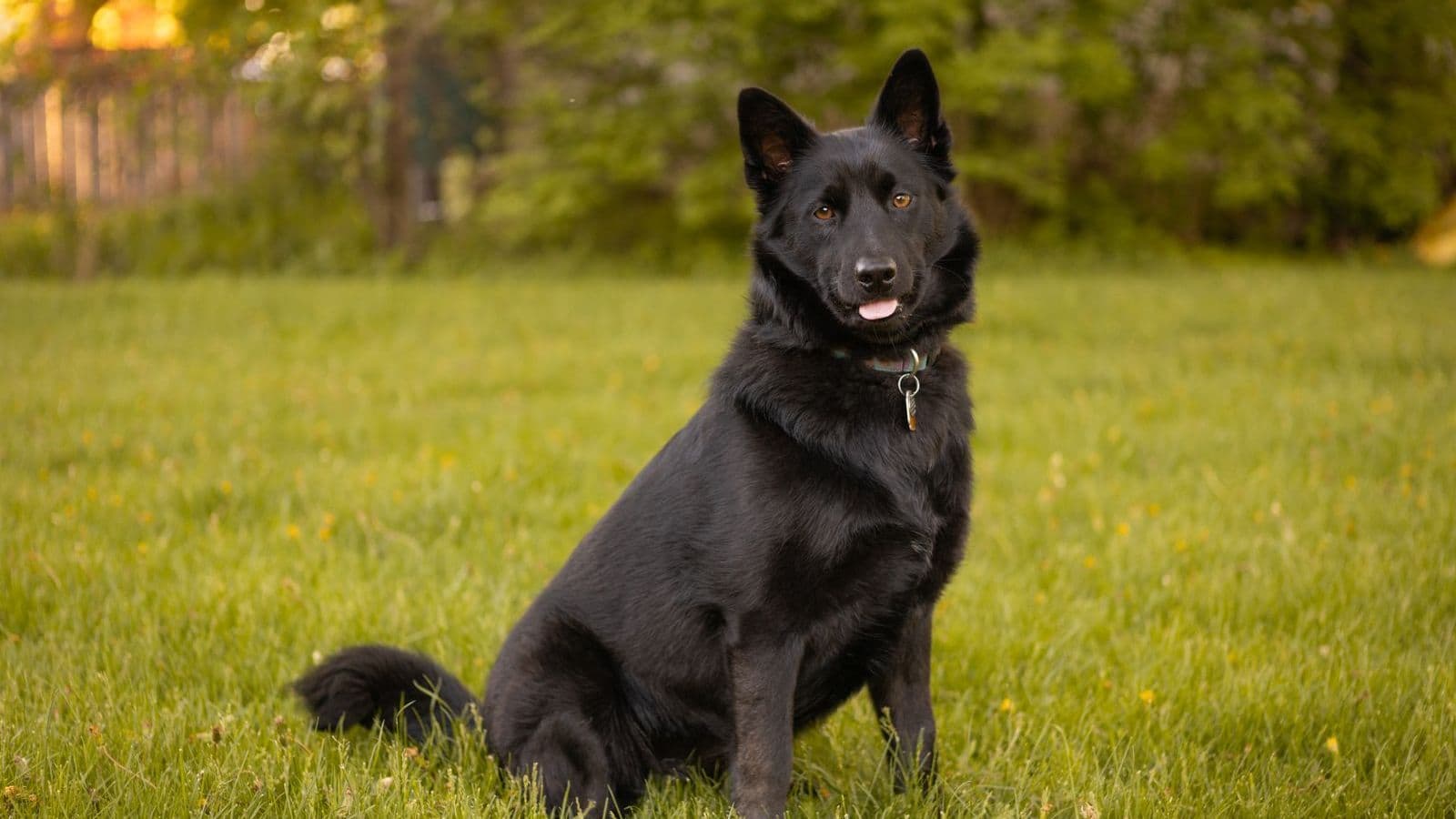
The Schipperke is a small, foxy, jet-black spitz from Belgium, where it earned its keep on canal barges and in workshops as a ratter and an ever-vigilant watchdog. The name is often translated as "little captain" or "little boatman," and the dog lives up to it: busy, bold, endlessly curious, and convinced it is running the place. Packed into a compact body is a big, mischievous personality with the alertness of a guard dog, the drive of a ratter, and the energy of a breed many times its size.
That working-spitz character is the key to training one. A Schipperke is intelligent and capable, and it takes well to reward-based training, but it is also independent, opinionated, and quick to bark, with a real prey drive and a talent for escape. It needs mental work as much as exercise, and it will happily outwit an owner who underestimates it. Channel its curiosity and energy, manage the barking early, and keep it securely contained, and you get a hilarious, devoted little companion. Bore it or coddle it, and you get a noisy, willful, escape-artist dog.
This guide covers what works with a Schipperke, week by week, built around how a clever, independent little spitz actually learns.
At a glance:
- Trainability: 7/10, intelligent but independent, weighs whether a request is worth it
- Biggest risk factor: escape ability, a determined climber and gate-tester
- Watchdog note: genuinely vocal, bred to guard barges and homes
- Example: a bored Schipperke can turn a small gap in the fence into a successful escape within one afternoon
- Not for: owners who won't invest in secure, escape-proof containment
What Makes Training a Schipperke Different
Four breed traits shape your approach.
1. Intelligent but independent. The Schipperke learns quickly and enjoys working, but it has its own agenda and will weigh whether a request is worth it. It cooperates best with short, lively, genuinely rewarding sessions, and it tunes out repetition and resists pressure.
2. A strong watchdog bark. Bred to guard barges and homes, the Schipperke is alert and vocal, and it will announce everything. This becomes a hard habit if unmanaged, so shaping and rewarding quiet from the start is one of the most important parts of training the breed.
3. A ratter's prey drive and a love of escape. The breed will chase small animals on instinct, and it is famously curious and determined about getting out of yards and gates. Recall around movement is challenging, and secure, escape-proof containment is essential.
4. High energy and curiosity in a small body. A Schipperke is not a low-effort lapdog. It needs real daily exercise plus mental stimulation, and an under-stimulated one becomes a barking, mischievous handful that invents its own entertainment.
Week-by-Week Training Plan for Your Schipperke
Below is the framework we use at TailorPup for a Schipperke-specific 12-week plan. Run it at home; the order and emphasis are the point.
Weeks 1 and 2 : Foundation and Socialization
Build engagement with high-value treats and socialize broadly, since the watchdog nature makes early exposure important. Run three to four five-minute sessions a day: name, mark eye contact, reward. Begin barking awareness immediately, rewarding quiet and calm, because this is the trait you most need to get ahead of.
Weeks 3 and 4 : Core Commands
Schipperkes learn fast. Lure sit and down, mark, reward, and add cues once reliable. Keep sessions short, lively, and varied to hold the interest of an independent thinker, and add tricks, which this clever breed enjoys and which build focus.
Weeks 5 and 6 : Leash Work and Prey Drive
Use stop-and-stand for pulling and a harness suited to the small frame. Practice redirecting your Schipperke before it locks onto prey, rewarding a glance back at you, so you build an "ignore it and check in" habit rather than a chase.
Weeks 7 and 8 : Recall and Barking
Build recall on a long line, starting in low-distraction areas and paying every success generously, and never call the dog for anything it dislikes. In parallel, formalize quiet: reward calm at windows and doors, manage triggers, and teach a clear "quiet" cue rather than reacting to the noise. See our barking guide for the full protocol.
Weeks 9 and 10 : Channeling Energy and Containment
Give the curious mind and busy body real outlets: trick training, fetch, agility, scent games, and puzzle feeders all suit the breed. At the same time, audit your fencing and gates, because a bored Schipperke is a determined escape artist. A well-exercised, mentally satisfied dog is far less interested in getting out.
Weeks 11 and 12 : Generalization
Prove the skills in the real world: calm loose-leash walking past distractions, recall in a fenced area with temptation present, quiet on cue around triggers, and settled behavior in busier places. These last two weeks are about consistency and proofing the recall and quiet around real life.
Common Schipperke Training Mistakes
Three mistakes show up repeatedly with this breed.
Mistake 1 : Ignoring the barking. The watchdog voice becomes a serious habit if unmanaged, and the Schipperke is genuinely vocal. Shape and reward quiet from day one, manage triggers, and meet the dog's needs, rather than reacting after the barking is entrenched.
Mistake 2 : Underestimating the energy and intelligence. Treating a Schipperke as a small, low-effort dog leads straight to barking, mischief, and escape attempts. Provide real exercise plus mental work, and most of the breed's "problems" simply do not appear.
Mistake 3 : Weak containment and trusting off-leash. The breed is a curious escape artist with a prey drive, so secure fencing and long lines are essential. The full list is in our Schipperke training mistakes guide.
Frequently Asked Questions
Are Schipperkes easy to train ? Reasonably. They are intelligent and capable, but independent and opinionated, so they need short, lively, rewarding sessions rather than drilling. With consistent reward-based training, good exercise, and early barking management, they do well.
Why does my Schipperke bark so much ? Because it was bred as a watchdog, so alerting is instinct. You can reduce nuisance barking substantially by managing triggers, rewarding quiet, teaching a "quiet" cue, and meeting the dog's exercise and mental needs, but expect a naturally alert, vocal breed.
How much exercise does a Schipperke need ? Around 45 to 60 minutes of activity daily plus mental work, which is more than people expect from a small dog. Walks, play, training, and puzzles all help, and under-exercised Schipperkes become barky and mischievous.
Can I let my Schipperke off-leash ? In a securely fenced area, yes, though watch the fencing carefully. In open spaces it is risky, because the prey drive and curiosity challenge recall and the breed roams. Use a long line until recall is reliable.
Are Schipperkes good escape artists ? Famously so. The breed is curious, determined, and agile, and it will exploit weak fencing and open gates. Secure, escape-proof containment and plenty of mental stimulation are essential to keep one safe at home.
Is positive reinforcement effective for Schipperkes ? Yes. The clever, independent breed responds well to engaging, reward-based training and resists pressure and repetition, which only bring out stubbornness.
Are Schipperkes good family dogs ? Yes, for active families. They are devoted, lively, and entertaining, and good with respectful children, provided their exercise, mental, and barking-management needs are met.
Why TailorPup Was Built for Schipperkes
A generic plan treats your Schipperke like a small lapdog and ignores the watchdog bark, the prey drive, the energy, and the escape-artist streak that define this little spitz. That mismatch is why standard advice produces noisy, willful dogs.
TailorPup builds a 12-week plan around your specific dog: its spitz and watchdog instincts, its age, and the behaviors you are seeing. For a Schipperke that means an early barking protocol, short engaging reward-based sessions, real exercise and mental work, careful recall around the prey drive, and a focus on secure containment.
Daily 12-minute sessions plus weekly adjustments based on your dog's progress. Plans from $9.99/month, no trial; annual starts at $2 for 7 days. Cancel anytime.
Related: Schipperke Training Mistakes · Barking Solutions · Recall Training · Leash Pulling