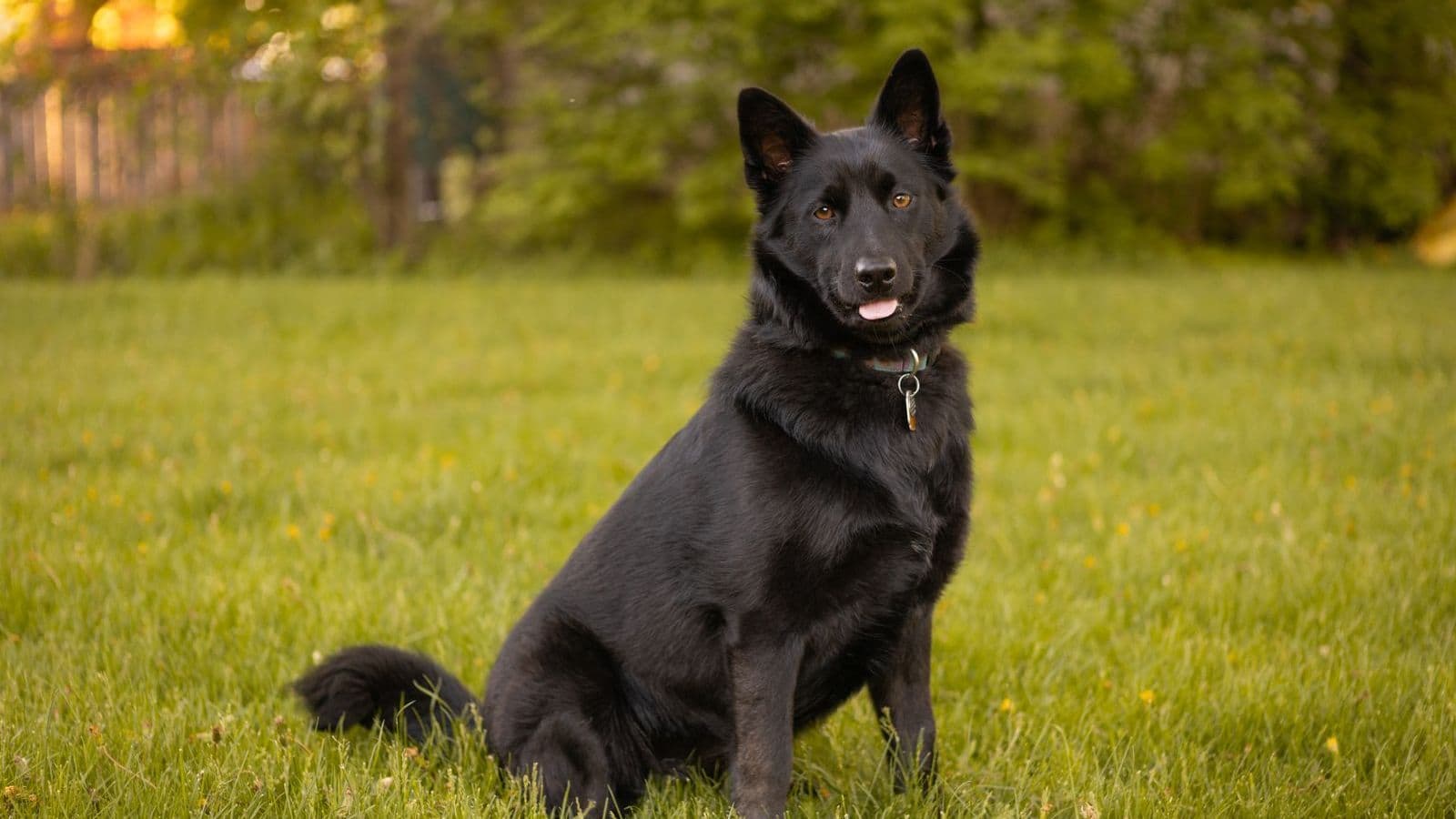
The Schipperke is a busy, curious little Belgian spitz, often nicknamed the "little black devil" for its mischievous energy and sharp mind. Almost every training problem comes from underestimating that energy and the breed's talent for escape and independent decision-making. Channel the drive and secure the dog, and the Schipperke is a lively, devoted character. Here are the five mistakes that cause the most trouble, and what to do instead.
1. Underestimating the energy
Small does not mean low-energy: the Schipperke is intensely busy and curious, and an under-stimulated one turns that drive into mischief, chewing, barking, and self-appointed projects around the house. Owners who treat it as a lapdog are quickly outmatched. Provide around an hour of real daily activity plus mental work and training, and the same dog is far calmer indoors. Agility, nose work, and trick training all suit the Schipperke's quick, athletic nature and tire it faster than a plain walk ever will.
2. Ignoring the barking early
Bred as a watchdog on Belgian barges, the Schipperke has a strong alert tendency, and that barking becomes an entrenched habit if it earns attention or is left unmanaged. Owners who indulge the early alarms end up with a dog that sounds off constantly. Shape a "quiet" cue early, manage the triggers, and reward calm. Our barking guide covers the full protocol.
3. Weak containment
The Schipperke is a genuine escape artist, curious, agile, and quick to slip a gate or gap in pursuit of adventure. Owners who assume a small dog stays put lose it under a fence or out an open door. Secure the fencing, mind the gates, and use a long line in open areas; never rely on a half-built recall to keep this breed at home.
4. Boring, repetitive sessions
The Schipperke is smart and independent, and it bores fast with drilling and repetition, switching off or finding its own entertainment. Owners who run long, dull sessions lose the dog's attention entirely. Keep training short, varied, and game-like, and the breed's quick mind stays engaged and willing.
5. Harsh handling
This is a confident, self-possessed little dog that resists heavy-handed correction and responds far better to engaging, reward-based training. Harshness provokes its stubborn streak rather than its cooperation. Keep sessions positive and interesting, and the Schipperke works with you instead of against you.
What works with Schipperkes
Meet the real exercise needs, manage the barking early, secure containment properly, keep sessions short and varied, and train with rewards. The throughline is respecting a busy, clever, independent little spitz: give the energy an outlet and the mind a challenge, and the Schipperke is a lively, devoted, endlessly characterful companion.
TailorPup's Schipperke plan schedules adequate exercise, includes a barking protocol, emphasizes secure containment, and keeps sessions short and varied.
Start your Schipperke's plan at tailorpup.com →
Related: How to Train a Schipperke · Barking Solutions · Recall Training