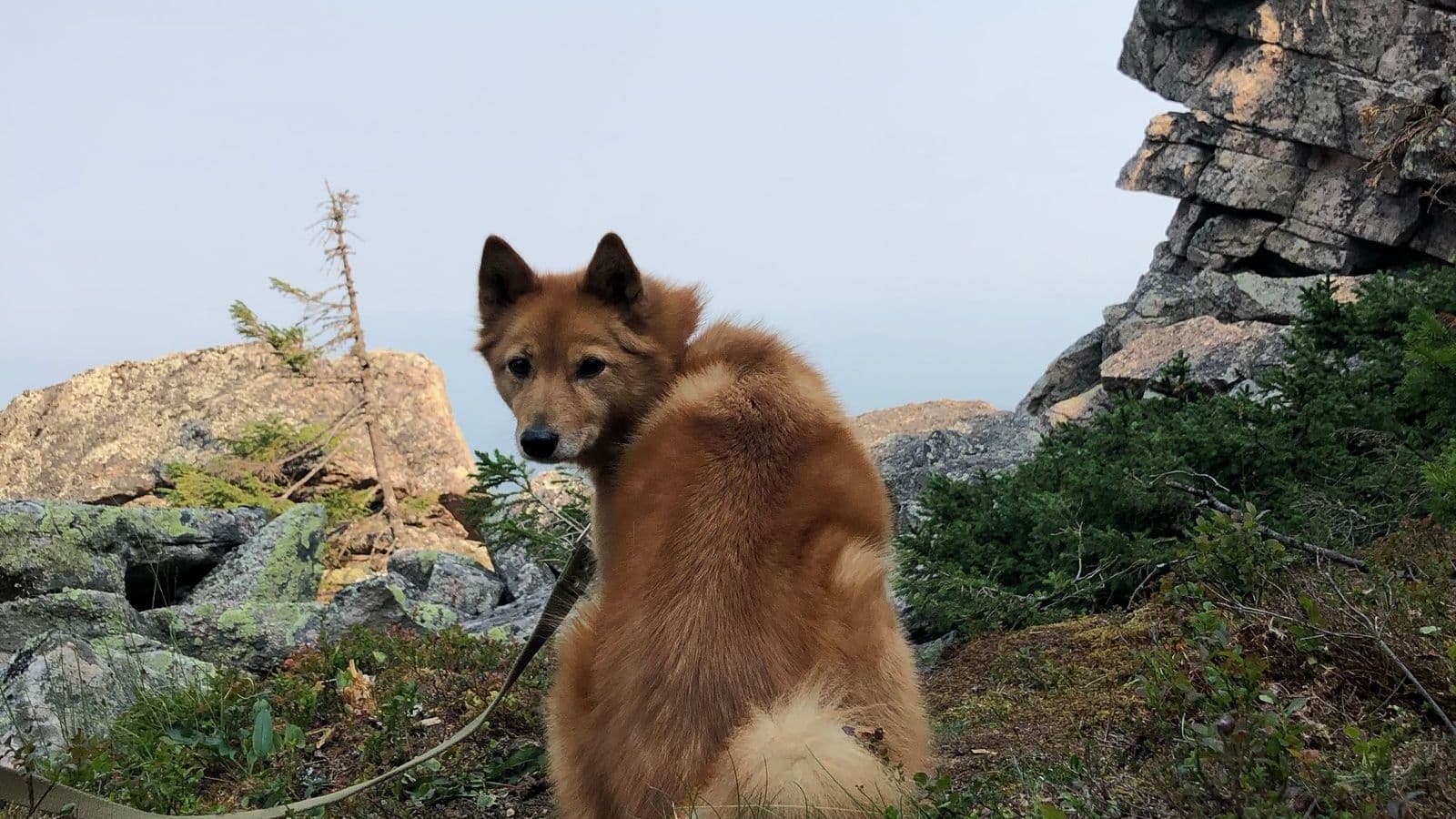
The Finnish Spitz is the national dog of Finland, a fox-red, alert, lively breed developed to hunt birds and small game in the northern forests. Its hunting style is what makes it utterly unique: the Finnish Spitz finds game, often birds in trees, and then barks rapidly and melodiously to hold the quarry's attention and signal the hunter, a job that earned it the nickname "the barking bird dog." In Finland the breed's voice is so prized that there are competitions to crown the "King of the Barkers." That history matters enormously, because the single biggest fact about owning this breed is that it was literally bred to bark, a lot.
That vocal hunting heritage is the key to training one. The Finnish Spitz is intelligent and lively, but it is also an independent spitz that thinks for itself, and its barking is not a flaw to be eliminated but a deep instinct to be managed. It responds to upbeat, reward-based training, gets bored by repetition, and needs real exercise and mental work. Manage the barking realistically from day one, channel the energy, and keep training fun, and you get a charming, fox-like, devoted companion. Ignore the barking or try to drill the breed into obedience, and you get a loud, frustrated, willful dog.
This guide covers what works with a Finnish Spitz, week by week, built around how a vocal, independent hunting spitz actually learns.
At a glance:
- Trainability: 6/10, bright but independent, cooperates for short lively sessions and tunes out repetition
- Biggest risk factor: the barking instinct, bred for centuries to bark rapidly while hunting, it cannot be eliminated, only managed
- Energy note: high, an under-stimulated Finnish Spitz barks more and grows restless and mischievous
- Example: A Finnish Spitz left alone in the yard all day will likely bark at every passerby.
- Not for: noise-sensitive households or owners expecting a quiet dog
What Makes Training a Finnish Spitz Different
Four breed traits shape your approach.
1. Bred to bark. This is the defining trait. The Finnish Spitz was selected for centuries to bark rapidly while hunting, so it is genuinely one of the most vocal breeds. You can teach a quiet cue and substantially reduce nuisance barking, but you cannot eliminate the instinct, and you should choose the breed knowing it is a loud one.
2. Independent and intelligent. As a spitz bred to work game on its own, the Finnish Spitz is bright but self-directed, and it weighs whether a request is worth its while. It cooperates for short, lively, rewarding sessions and tunes out repetition and pressure.
3. High energy. This is an active hunting breed that needs real daily exercise plus mental work. Under-stimulated, the Finnish Spitz barks more, not less, and becomes restless and mischievous. Meeting the energy need is also the foundation of managing the noise.
4. Sensitive under the independence. The breed is sensitive and does not respond well to harsh handling, which makes it anxious and even more vocal. Upbeat, reward-based training brings out its lively, charming best.
Week-by-Week Training Plan for Your Finnish Spitz
Below is the framework we use at TailorPup for a Finnish Spitz-specific 12-week plan. Run it at home; the order and emphasis are the point.
Weeks 1 and 2 : Foundation, Socialization, and Quiet
Build engagement with high-value rewards and socialize broadly. Run three to four five-minute sessions a day: name, mark eye contact, reward. Begin barking awareness immediately, rewarding quiet and calm from day one, because getting ahead of the vocal instinct is the most important early work with this breed. Establish an exercise routine too.
Weeks 3 and 4 : Core Commands
Lure sit and down, mark, reward, and add cues once reliable, keeping sessions short, lively, and varied to hold the interest of an independent spitz. Add tricks, which this clever breed enjoys, and never drill, which simply makes it switch off.
Weeks 5 and 6 : Leash Work and Energy
Use stop-and-stand for pulling and a harness. Pair leash work with real daily exercise, since an under-exercised Finnish Spitz is a louder, more restless one. Reward checking in and keep walks engaging for the active mind.
Weeks 7 and 8 : Barking and Recall
Now formalize the quiet work, the breed's central management task: reward calm, manage triggers, and teach a clear "quiet" cue, accepting that you are managing rather than eliminating the bark. Build recall on a long line in low-distraction areas, paying every success well. See our barking guide for the full protocol.
Weeks 9 and 10 : Channeling Energy
Give the lively, clever dog real outlets: hiking, fetch, scent games, agility, and trick training all suit it. A Finnish Spitz with daily physical and mental work is a calmer, quieter, more satisfied dog. This is where managing the energy genuinely reduces the noise.
Weeks 11 and 12 : Generalization
Prove the skills in the real world: calm leash walking past distractions, recall in a fenced area, quiet on cue around triggers, and settled behavior in busier places. These last two weeks are about consistency and proofing the quiet and recall rather than new skills.
Common Finnish Spitz Training Mistakes
Three mistakes show up repeatedly with this breed.
Mistake 1 : Expecting to eliminate the barking. The Finnish Spitz was bred to bark, and trying to stamp it out completely leads only to frustration. Manage it realistically with a quiet cue, trigger management, and enough exercise, and choose the breed knowing it is vocal by design.
Mistake 2 : Under-exercising the breed. An under-stimulated Finnish Spitz barks more and becomes restless and mischievous. Real daily exercise plus mental work is the foundation of a calmer, quieter dog.
Mistake 3 : Drilling or using harsh handling. The independent, sensitive Finnish Spitz tunes out repetition and grows anxious and louder under harshness. Keep training short, lively, and reward-based. The full list is in our Finnish Spitz training mistakes guide.
Frequently Asked Questions
Are Finnish Spitz easy to train ? Moderately. They are intelligent and lively, so reward-based training works, but they are independent and easily bored, so they need short, fun, varied sessions rather than drilling. Managing the barking is the breed's biggest training task.
Why does my Finnish Spitz bark so much ? Because it was bred to bark while hunting, so vocalizing is a deep genetic instinct, not a behavior problem. You can substantially reduce nuisance barking with a quiet cue, trigger management, and enough exercise, but expect a fundamentally vocal breed.
How much exercise does a Finnish Spitz need ? Around an hour of activity daily plus mental work. This is an active hunting spitz, and under-exercised dogs bark more and become restless. Meeting the energy need is central to managing the noise.
Can I let my Finnish Spitz off-leash ? In a securely fenced area, yes. In open spaces, build recall carefully first, since the independent, hunt-driven breed can wander after game. Use a long line until recall is reliable.
Is positive reinforcement effective for Finnish Spitz ? Yes, ideally. The lively, sensitive breed responds well to upbeat reward-based training and resists drilling and harsh handling, which only increase anxiety and barking.
Are Finnish Spitz good family dogs ? Yes, for active families who can accept a vocal dog. They are devoted, lively, and good with children, but their barking and energy mean they suit homes that will exercise them well and manage the noise.
Do Finnish Spitz shed a lot ? Yes. The fox-red double coat sheds year-round and blows heavily a couple of times a year. Regular brushing keeps it manageable, and the coat should not be shaved.
Why TailorPup Was Built for the Finnish Spitz
A generic plan does not account for the one thing that defines this breed: it was bred to bark. That mismatch is why standard advice frustrates Finnish Spitz owners and leaves the noise unmanaged.
TailorPup builds a 12-week plan around your specific dog: its vocal hunting nature, its age, and the behaviors you are seeing. For a Finnish Spitz that means a realistic barking-management protocol from day one, short lively reward-based sessions, real exercise and mental work, and careful recall around the breed's independence.
Daily 12-minute sessions plus weekly adjustments based on your dog's progress. Plans from $9.99/month, no trial; annual starts at $2 for 7 days. Cancel anytime.
Related: Finnish Spitz Training Mistakes · Barking Solutions · Recall Training · Leash Pulling