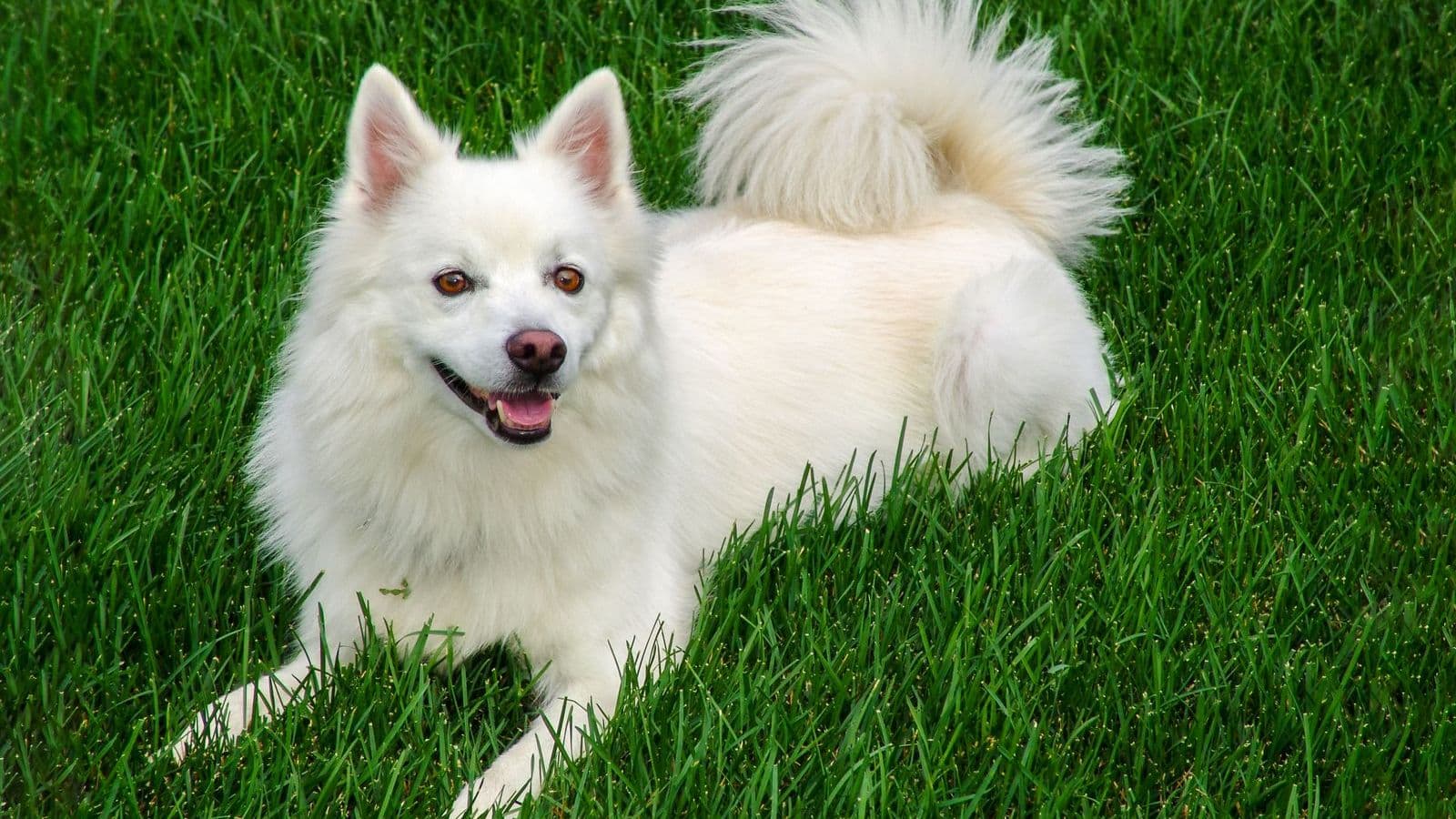
The American Eskimo Dog, affectionately called the Eskie, is a brilliant white spitz that, despite its name, descends from German Spitz dogs brought to America. It made its name in the traveling circuses of the early 20th century, where its striking looks and remarkable intelligence made it a star trick performer, walking tightropes and dazzling crowds. That heritage tells you exactly what you are getting: one of the smartest, most trainable spitz breeds, an alert, energetic, eager-to-learn companion that comes in toy, miniature, and standard sizes and packs a big brain into a beautiful white coat.
That intelligence is the key to training one, and it cuts both ways. The Eskie learns quickly and loves to work, so reward-based training, especially trick training, is genuinely fun and effective. But a clever, energetic spitz that is not given enough mental work invents its own jobs, and the breed's natural alertness makes barking its default outlet. The Eskie can also be reserved with strangers and a touch clingy. Give it daily mental and physical work, manage the barking early, and socialize it well, and you get a dazzling, devoted companion. Bore it, and you get a noisy, mischievous one.
This guide covers what works with an Eskie, week by week, built around how a brilliant, energetic spitz actually learns.
At a glance:
- Trainability: 8/10, among the brightest spitz breeds, a natural at tricks and obedience
- Biggest quirk: watchful alert-bark, its default outlet when bored or under-stimulated
- Bonding style: reserved with strangers, can lean toward clinginess with its own family
- Example: an Eskie left without daily mental work can start barking at every passing sound within days
- Not for: owners who won't commit to daily trick training or mental work
What Makes Training an Eskie Different
Four breed traits shape your approach.
1. Highly intelligent and trainable. The Eskie is among the brightest spitz breeds and a natural at tricks and obedience. Reward-based training is fast and enjoyable, but this clever dog needs daily mental work or it gets bored and finds its own entertainment, usually involving noise.
2. A strong alert-bark. Watchful by nature, the Eskie readily announces visitors, sounds, and excitement, and boredom makes it worse. This is the breed's main management issue. Early, consistent quiet-shaping keeps an alert dog from becoming a nuisance barker.
3. Energetic and needs a job. The Eskie is more energetic than its fluffy companion looks suggest, needing real daily exercise plus mental stimulation. Trick training, agility, and games suit it perfectly, and an under-stimulated Eskie is a barky, mischievous one.
4. Reserved with strangers and attached. The breed can be cautious with new people and bonds closely with its family, sometimes to the point of clinginess. Socialization keeps the reserve confident, and gentle independence work prevents over-attachment.
Week-by-Week Training Plan for Your Eskie
Below is the framework we use at TailorPup for an Eskie-specific 12-week plan. Run it at home; the order and emphasis are the point.
Weeks 1 and 2 : Foundation, Socialization, and Quiet
Build engagement with high-value rewards and socialize broadly, since the breed can be reserved. Run three to four five-minute sessions a day: name, mark eye contact, reward. Begin barking awareness immediately, rewarding quiet, and start gentle independence work. Our puppy basics guide covers the foundations.
Weeks 3 and 4 : Core Commands and Tricks
Eskies learn very fast. Lure sit, down, and stay, mark, and reward, adding cues once reliable, then lean into trick training, which this circus-descended breed adores and which provides essential mental work. The busier its brain, the calmer its body.
Weeks 5 and 6 : Leash Work and Energy
Use stop-and-stand for pulling and a harness. The Eskie is energetic, so pair leash work with real daily exercise and games. Reward checking in, and keep walks engaging to satisfy the active mind.
Weeks 7 and 8 : Barking and Recall
Formalize the quiet work, the breed's key management piece: reward calm at windows and doors, manage triggers, and teach a clear "quiet" cue rather than shouting over the noise. Build recall on a long line in low-distraction areas, paying every success well. See our barking guide for the full protocol.
Weeks 9 and 10 : Channeling Energy
Give the clever, athletic dog real outlets: agility, trick chains, fetch, and scent games all suit it. An Eskie with daily mental and physical work is a calm, quiet, satisfied dog. This is where the breed's intelligence becomes a joy rather than a problem.
Weeks 11 and 12 : Generalization
Prove the skills in the real world: calm leash walking past distractions, recall in a fenced area, quiet on cue around triggers, and confident responses to strangers. These last two weeks are about consistency and proofing the quiet and recall rather than new skills.
Common Eskie Training Mistakes
Three mistakes show up repeatedly with this breed.
Mistake 1 : Under-stimulating a smart dog. Boredom is the enemy. An Eskie without mental work and exercise becomes barky, mischievous, and destructive. Give this brilliant breed daily tricks, training, and games.
Mistake 2 : Ignoring the barking. The alert spitz bark becomes a serious habit if unmanaged, especially in a bored dog. Shape and reward quiet from day one, manage triggers, and meet the dog's needs rather than reacting later.
Mistake 3 : Skipping socialization. The Eskie's reserve with strangers needs early, positive exposure to stay confident rather than fearful. Socialize thoroughly. The full list is in our American Eskimo Dog training mistakes guide.
Frequently Asked Questions
Are American Eskimo Dogs easy to train ? Yes, very. They are among the smartest spitz breeds and natural performers, so reward-based training, especially tricks, is fast and enjoyable. The challenges are managing the barking and meeting the breed's need for mental work, not the learning itself.
Why does my Eskie bark so much ? Because it is alert and watchful by nature, and boredom makes it worse. You can substantially reduce nuisance barking by managing triggers, rewarding quiet, teaching a "quiet" cue, and meeting the dog's exercise and mental needs.
How much exercise does an American Eskimo Dog need ? Around an hour of activity daily plus real mental work. The breed is more energetic than its fluffy looks suggest, and under-stimulated Eskies become barky and mischievous.
Are American Eskimo Dogs good at tricks ? Exceptionally. The breed's circus heritage and high intelligence make it a natural at trick training, agility, and obedience, all of which are ideal outlets for its energy and brains.
Do American Eskimo Dogs shed a lot ? Yes. The thick white double coat sheds year-round and blows heavily a couple of times a year. Regular brushing keeps it manageable, and the coat should not be shaved.
Is positive reinforcement effective for Eskies ? Yes, ideally. The clever, sensitive breed thrives on reward-based training and trick work, while harsh handling is unnecessary and can fuel anxiety or reactivity.
Are American Eskimo Dogs good family dogs ? Yes. They are devoted, lively, and great with their family, including children, though their reserve with strangers and barking tendency mean socialization and early quiet-shaping matter. They thrive when kept busy and included.
Why TailorPup Was Built for American Eskimo Dogs
A generic plan treats your Eskie like a passive fluffy companion and ignores the intelligence, the energy, and the alert bark that define the breed. That mismatch is why standard advice produces a barky, mischievous dog.
TailorPup builds a 12-week plan around your specific dog: its spitz nature, its age, and the behaviors you are seeing. For an Eskie that means plenty of trick work and mental stimulation, an early barking protocol, socialization for confidence, and reward-based methods that match its brains.
Daily 12-minute sessions plus weekly adjustments based on your dog's progress. Plans from $9.99/month, no trial; annual starts at $2 for 7 days. Cancel anytime.
Related: American Eskimo Dog Training Mistakes · Barking Solutions · Recall Training · Puppy Training Basics