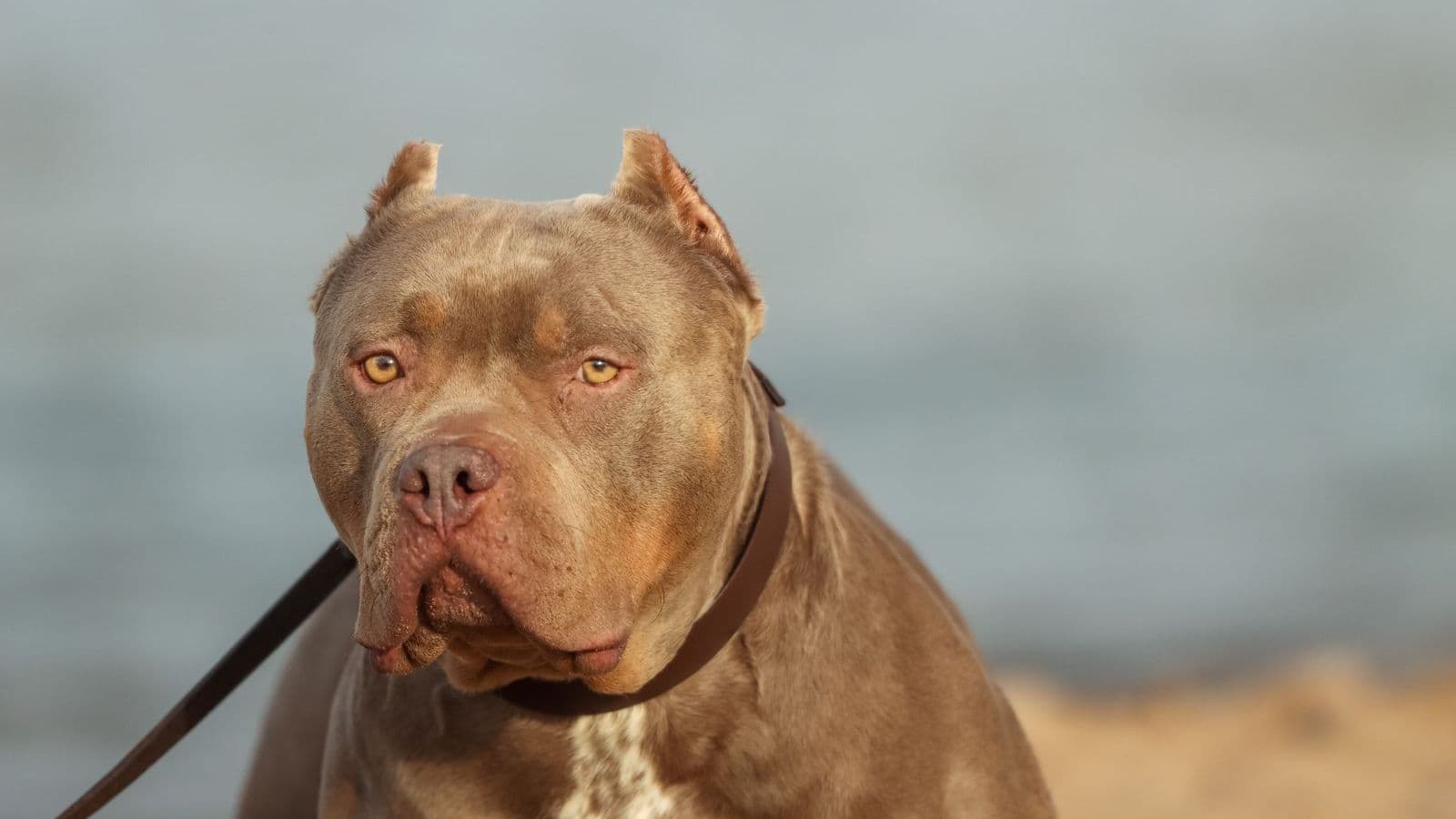
The American Pit Bull Terrier descends from the bull-and-terrier crosses of nineteenth-century Britain, brought to America and developed into an all-purpose working farm dog, a catch dog for livestock, a hunter, a guardian, and above all a family companion. That history left the breed with two defining and seemingly contradictory traits: an athletic, tenacious working drive on one hand, and an extraordinary, almost overwhelming love of people on the other. Properly bred and raised, the Pit Bull is one of the most human-oriented of all dogs, famous historically as a "nanny dog" for its gentleness with children.
Weighing 14-27 kg, the breed is muscular, agile, and powerful, with a confidence and exuberance that fill a room. It is highly intelligent and genuinely eager to please its people, which makes it one of the more trainable of the bully and terrier types, Pit Bulls excel at obedience, agility, weight pull, and as therapy and service dogs. Beneath that biddability, though, runs a real working intensity and, in many individuals, a degree of dog-selectivity inherited from the breed's past that owners must understand and manage.
For an owner, the American Pit Bull Terrier rewards engagement and structure and frustrates neglect. Its people-orientation makes reward-based training highly effective, but its strength demands early leash manners and impulse control, its energy needs a real outlet, and its dog-selectivity calls for thoughtful socialization and managed introductions rather than chaotic dog-park free-for-alls. Given those, the Pit Bull is an affectionate, capable, and deeply devoted companion, and breed-specific legislation in some areas means responsible, visible ownership matters more than ever.
At a glance:
- Trainability: 8/10, highly intelligent and eager to please, one of the more trainable bully and terrier types
- Biggest risk factor: dog-selectivity, particularly with same-sex dogs, inherited from the breed's history
- Strength & drive: a muscular, working-intensity dog that needs daily leash manners and a real physical outlet
- Example: an under-exercised Pit Bull will redirect its drive into chewing, mouthing, and door-rushing
- Not for: chaotic dog-park free-for-alls or owners unwilling to manage dog-to-dog introductions
What Makes Training an American Pit Bull Terrier Different
1. An exceptional love of people. The Pit Bull is among the most human-oriented of all breeds, and this people-pleasing nature makes reward-based training highly effective. It thrives on engagement and attention, and channeling that desire to be with you into training is the key to a well-mannered dog.
2. Dog-selectivity to understand and manage. Many Pit Bulls are dog-selective, particularly with same-sex dogs, a trait inherited from the breed's history rather than a reflection of aggression toward people. Early socialization, managed introductions, and avoiding chaotic dog-park settings keep this in check.
3. Real strength and athleticism. The breed is muscular and powerful, and a dog that pulls or barges without manners is a genuine handful. Loose-leash walking and impulse control installed early are essential for a strong, exuberant dog.
4. A working drive that needs an outlet. Beneath the affection is a tenacious working intensity, and an under-exercised Pit Bull redirects that energy into chewing, mouthing, and door-rushing. A real physical and mental outlet is the foundation of good behavior.
Week-by-Week Training Plan for Your American Pit Bull Terrier
Weeks 1 and 2 : Foundation and Engagement
Build the working relationship and start socialization while installing the household rules the adult will live by. Our puppy basics guide covers the mechanics.
- Pair short, upbeat sessions with high-value food to build focus.
- Four paws on the floor for all greetings from day one.
- Begin broad socialization with people, dogs, surfaces, and sounds.
- Reward voluntary eye contact to build a strong attention default.
Weeks 3 and 4 : Core Commands
Sit, down, and stay come quickly to this eager, intelligent breed.
- Teach the core cues with luring, adding verbal and hand signals.
- Build stay from short durations, rewarding stillness.
- Keep sessions positive and end while the dog is keen.
Weeks 5 and 6 : Loose Leash and Impulse Control
Install leash manners and self-control for a strong dog.
- Use a front-clip harness and the stop-and-stand method for loose-leash walking.
- Reward four-on-the-floor greetings rather than barging or jumping.
- Build a "wait" and a settle to develop impulse control.
Weeks 7 and 8 : Recall and Dog-Management
Build recall and establish calm behavior around other dogs.
- Train recall on a long line with high-value rewards.
- Practice structured on-leash passing of other dogs, rewarding focus on you.
- Favor controlled introductions over chaotic dog-park play.
Weeks 9 and 10 : Outlet and Mental Work
Give the working drive a productive job.
- Introduce a flirt pole, weight pull, or fetch with rules to channel the drive.
- Use food puzzles and trick training for daily mental fatigue.
- Reward controlled, focused activity over frantic excitement.
Weeks 11 and 12 : Advanced Skills and Proofing
Consolidate the foundations with ongoing challenge.
- Proof loose-leash walking, recall, and greetings in busy environments.
- Add agility or advanced obedience to engage the capable mind.
- Establish a sustainable rhythm of exercise, training, and play.
Common American Pit Bull Terrier Training Mistakes
Mistake 1 : Assuming dog-friendliness is automatic. The breed loves people but can be dog-selective. Manage dog interactions and avoid chaotic dog parks.
Mistake 2 : No physical and mental outlet. A strong, driven dog without an outlet redirects its energy. Provide daily exercise and training games.
Mistake 3 : Skipping leash work. The strength and drive make early loose-leash training essential for safe walks.
Mistake 4 : Mistaking drive for stubbornness. The breed is highly trainable and people-pleasing. Channel the drive with reward-based work. Full breakdown : American Pit Bull Terrier training mistakes.
Frequently Asked Questions
Are American Pit Bull Terriers easy to train ? Yes, they are intelligent and intensely eager to please, which makes them one of the more trainable bully and terrier types. They excel at obedience, agility, and sport with reward-based methods. The main work is channeling the strength and drive and managing dog-selectivity, not overcoming any reluctance to learn.
Are American Pit Bull Terriers good family dogs ? With socialization and responsible ownership, yes, they are famously affectionate and gentle with their families, including children, earning the historic "nanny dog" reputation. Their strength and exuberance mean supervision with small children and early manners training are important.
Are American Pit Bull Terriers aggressive ? Not toward people, the breed was bred for and is known for friendliness with humans, and a stable, well-raised Pit Bull is confident and affectionate. Some individuals are dog-selective, which is managed through socialization and controlled introductions rather than dog-park free play.
How much exercise does an American Pit Bull Terrier need ? Sixty to ninety minutes of activity daily plus mental engagement. The breed is athletic and driven, and it thrives on structured exercise like fetch, flirt-pole work, weight pull, and training games rather than just a walk.
Are American Pit Bull Terriers good with other dogs ? With early socialization and management, many are, but the breed's dog-selectivity means introductions should be controlled and supervised, and some do best as the only dog. Chaotic dog parks are generally a poor fit.
Are American Pit Bull Terriers legal everywhere ? No. Breed-specific legislation restricts or bans them in some jurisdictions, and insurance or housing limits may apply. Research your local laws, and practice responsible, visible ownership to help the breed's reputation.
How long do American Pit Bull Terriers live ? Typically twelve to fourteen years, a generally robust, hardy breed. Responsible breeders screen for hip dysplasia, heart conditions, and the skin and allergy issues seen in the breed, and a lean, well-exercised Pit Bull tends to stay athletic and sound well into old age.
Why TailorPup Was Built for American Pit Bull Terriers
A generic plan misreads a strong, friendly, driven dog and skips the leash work, outlet, and dog-management it actually needs. TailorPup's American Pit Bull Terrier plan leans on the breed's love of people, front-loads loose-leash walking and impulse control, builds calm behavior around other dogs, and channels the working drive into a real outlet.
Daily 12-minute training sessions plus weekly adjustments. Plans from $9.99/month, no trial; annual starts at $2 for 7 days. Cancel anytime.
Related: American Pit Bull Terrier Training Mistakes · Leash Pulling · Recall Training · Puppy Training Basics