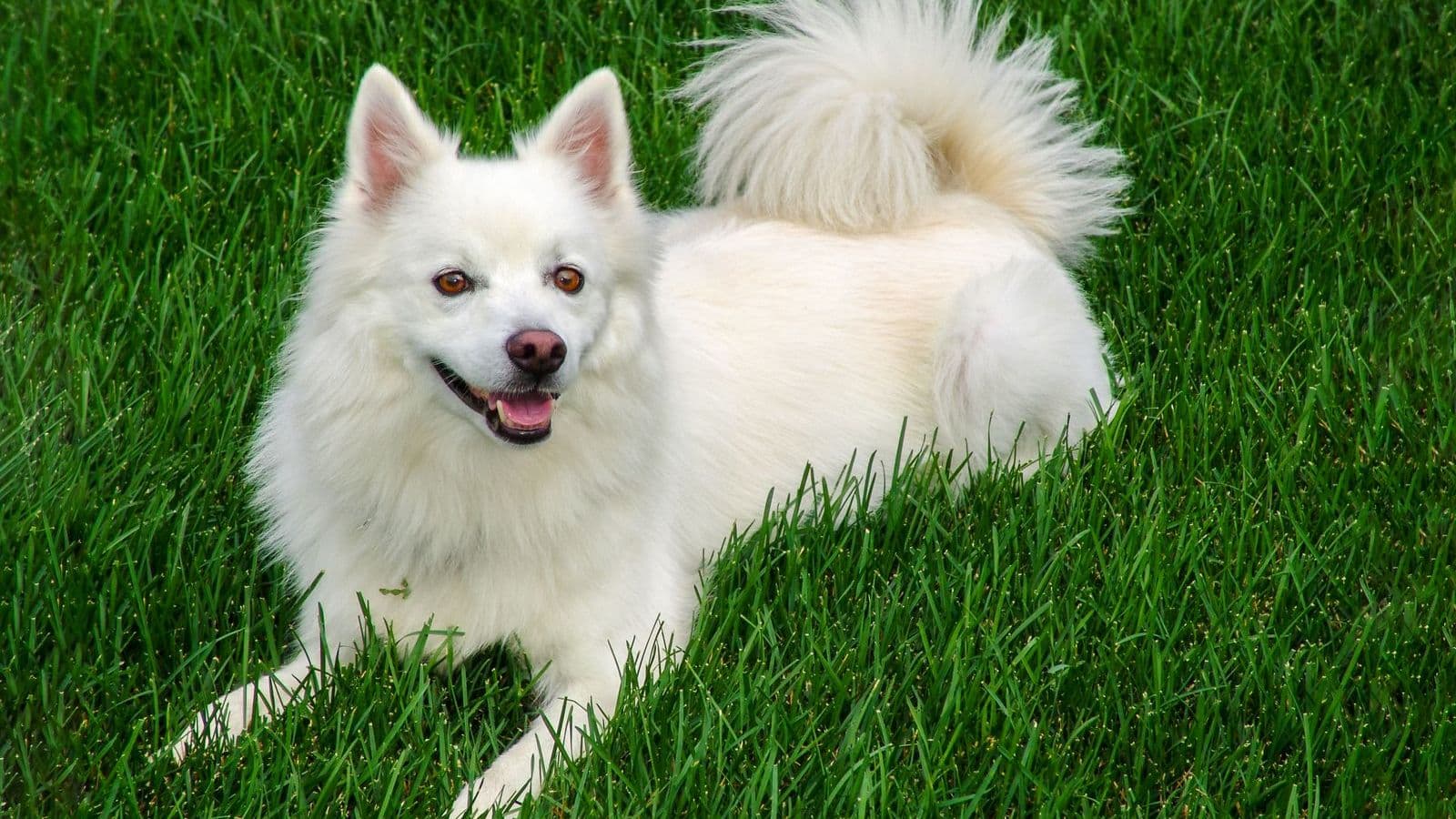
The American Eskimo Dog (the "Eskie") is a brilliant, eager white spitz that once starred in traveling circuses for good reason: it is one of the most trainable, attentive companion breeds around. That intelligence is the whole story, because an under-challenged Eskie turns its brains to barking and mischief. Most problems come from under-stimulating a very smart, people-focused dog. Here are the five mistakes that cause the most trouble, and what to do instead.
1. Ignoring the barking early
The Eskie has a watchful spitz heritage and a strong alert tendency, made far worse by boredom, so unmanaged early barking quickly becomes a relentless habit. Owners who indulge or ignore it end up with a dog that sounds off constantly. Reward quiet, teach a "quiet" cue, and manage the triggers from the start. Our barking guide covers the full protocol.
2. Under-using the intelligence
This is a genuinely brilliant breed, and a bored Eskie does not just get naughty, it can develop compulsive, neurotic behaviors. Owners who provide only physical walks miss that the dog needs to think. Give it daily mental work, trick training, and problem-solving games; a mentally satisfied Eskie is calm and delightful. Rotate puzzle toys, teach a new trick every week, and feed part of each meal through find-it and training games. The breed's famous circus-dog cleverness needs a constant, constructive job, and when it gets one the nuisance barking and compulsive habits usually fade on their own.
3. Long daily isolation
The Eskie is intensely people-focused and prone to separation anxiety when left alone for long stretches. Owners who leave it solo all day create a distressed, vocal, destructive dog. Build alone-time tolerance early, and arrange companionship or breaks so the breed's devotion never tips into panic.
4. Exercising in the heat
That thick, beautiful double coat is built for cold, and the Eskie overheats easily in warm weather. Owners who exercise it hard on hot days risk dangerous overheating. Schedule activity for the cool parts of the day, watch for heavy panting, and never push a hot Eskie.
5. Harsh handling
The Eskie is sensitive and eager to please, so harsh corrections are both unnecessary and counterproductive, dimming the bright willingness that makes the breed shine. Reward-based training works exceptionally well. Keep sessions upbeat and engaging and the Eskie learns fast and works happily.
What this looks like at home
The scene. The American Eskimo Dog barks at the mailman, the neighbor's cat, a falling leaf and the sound of a car door, all before breakfast. Left alone, it works through the sofa cushion.
What to do instead. Teach "quiet" early: reward the pause after a bark, then ask the dog to go to a mat. Cover the lower half of the window with film if the street is the trigger. Use the brain: three to five new tricks a month, a snuffle mat and a puzzle feeder at each meal. Build alone time in small steps. Keep walks in the cool hours, because the thick double coat holds heat, and brush it regularly. Keep sessions positive; Eskies shut down under a harsh tone.
What works with Eskies
Manage the barking early, keep the brilliant mind busy, prevent long isolation, exercise in cool conditions, and train with rewards. The throughline is respecting a very smart, sensitive, people-focused dog: challenge it and include it, and the American Eskimo Dog is a clever, lively, deeply devoted companion.
TailorPup's Eskie plan front-loads mental work and tricks, includes a barking protocol, builds in independence training, and channels the breed's brilliance.
Start your Eskie's plan at tailorpup.com →
Related: How to Train an American Eskimo Dog · Barking Solutions · Recall Training