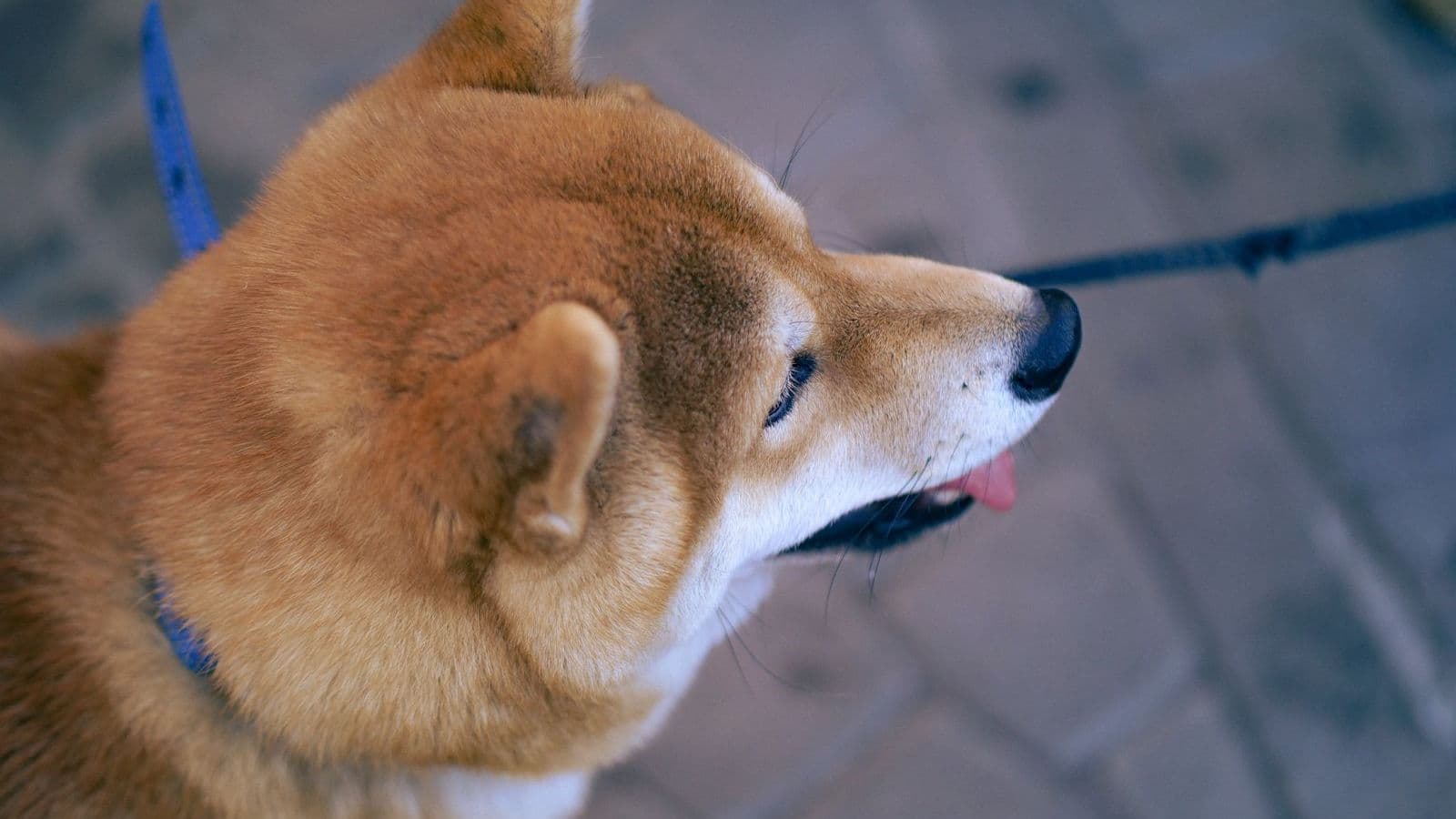
The Shiba Inu is an ancient Japanese hunting spitz, famously independent and almost cat-like, and it simply does not train like an eager-to-please breed. It is clean, dignified, and full of character, but it evaluates every request on its own terms, and most problems come from owners expecting a Shiba to behave like a Labrador. Adjust your expectations and the breed is rewarding; fight its nature and you both lose. Here are the six mistakes that cause the most trouble, and what to do instead.
1. Expecting obedience-breed compliance
Shibas were bred to hunt independently and evaluate every request, complying when motivated and ignoring you when not. Owners expecting instant obedience grow frustrated and escalate. Use high-value rewards, keep sessions genuinely worthwhile, and adjust your expectations, because a Shiba will never be a Golden Retriever, and cooperation comes through motivation rather than authority.
2. Trusting it off-leash
The Shiba's strong prey drive and independent nature make reliable off-leash recall genuinely unrealistic for most individuals, and the breed is a notorious escape artist. Owners who trust open ground lose the dog. Use a long line in open areas and secure fencing, build recall for everyday use, and accept that trusting off-leash freedom simply loses Shibas.
3. Forcing handling
Nail trims, restraint, and grooming trigger the dramatic, ear-splitting "Shiba scream," and owners who force the issue damage trust and worsen the reaction. Pushing harder backfires. Desensitize gradually with rewards, building tolerance to handling over time in small, positive steps, so the dog learns that grooming and restraint are safe rather than something to fight.
4. Using harsh methods
The independent, sensitive Shiba shuts down or actively resists under harshness, meeting corrections with stubbornness rather than compliance. Owners who try to dominate it get nowhere. High-value reward-based training is the only approach that works, so make cooperation worthwhile, keep your tone calm, and earn the Shiba's participation rather than demanding it.
5. Insufficient socialization
Under-socialized Shibas become aloof, wary, or reactive, and owners who shelter the puppy assume the natural reserve is fixed and harmless. It can curdle into real problems. Socialize heavily during the critical window, introducing new people, dogs, and places positively, and you produce a more confident, tolerant adult rather than a suspicious one.
6. Underestimating the prey drive around small pets
Many Shibas are not safe with small animals, because the hunting heritage means a strong prey drive. Owners who assume it will coexist with cats or small pets are caught out. Manage interactions carefully, supervise closely, and hold realistic expectations, accepting that some Shibas genuinely cannot live safely with small animals regardless of training.
What works with Shibas
Adjust expectations to the independent breed, use high-value rewards, treat off-leash as a fenced-only goal, desensitize handling gradually, socialize heavily, and manage the prey drive. The common thread is respecting a cat-like, independent spitz: motivate rather than command, secure the chase, and socialize early, and the Shiba is a clean, dignified, characterful companion.
TailorPup's Shiba plan uses high-value reward strategies suited to the independent breed, treats off-leash as fenced-only, includes handling desensitization, and sets realistic expectations.
Start your Shiba Inu's plan at tailorpup.com →
Related: How to Train a Shiba Inu · Recall Training · Leash Pulling