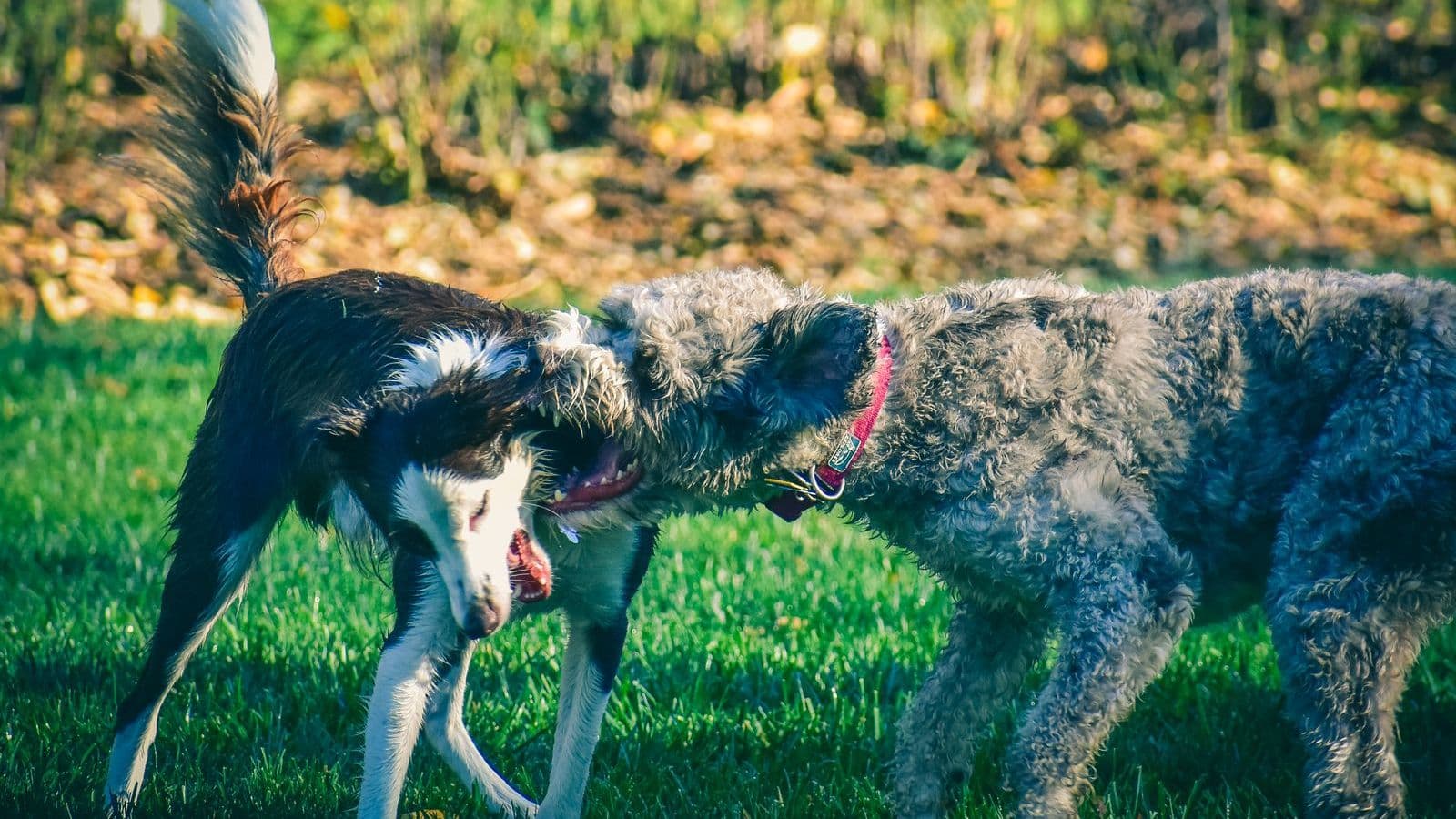
The Pumi is the liveliest and most distinctive of Hungary's three herding breeds, set apart from its cousins the Puli and Mudi by a charming, whimsical appearance, a curly, tousled coat, a square muzzle, and famously expressive, semi-erect ears that give it an alert, almost comic expression. It developed from the seventeenth century onward by crossing the older Hungarian herding stock with imported German and French terrier-type and herding dogs, and that terrier influence is unmistakable in both its build and its character.
The breed was recognized as distinct from the Puli in the twentieth century and remains a working farm dog in Hungary today.
Weighing 8-15 kg, the Pumi is a compact, agile, energetic dog with a temperament that fizzes with terrier-influenced intensity. It was bred to move difficult, semi-wild stock in tight spaces, working close and using its voice freely to drive and control, and the modern Pumi retains that bold, quick, vocal, and very high-energy character. It is intelligent and biddable enough to excel in dog sport, devoted and lively with its family, and alert to everything around it.
For an owner, the Pumi is a brilliant but genuinely demanding dog that needs an active, engaged home. Its very high energy and working drive need a real job and substantial daily exercise plus mental work, or the energy turns frantic and destructive; its terrier-influenced quickness means it bores fast and needs varied training; its vocal nature, central to its herding style, makes barking a real consideration; and its herding instinct targets movement. Given a real outlet, daily exercise and mental work, early bark management, and engaging reward-based training, the Pumi is a bright, animated, and dazzlingly capable partner.
At a glance:
- Trainability: 8/10, biddable and quick, excels at agility and obedience with engaging methods
- Biggest risk factor: under-exercising, its very high energy turns frantic and destructive without a real job
- Vocal instinct: barking was central to its close-working herding style, needs a "quiet" cue from week one
- Example: skip the daily job and a bored Pumi starts barking at every sound in the yard.
- Not for: sedentary households or owners unable to give it varied, progressive daily training
What Makes Training a Pumi Different
1. Very high energy and working drive. The Pumi has very high energy, and without vigorous daily exercise plus a real job and mental work it becomes frantic and destructive. Meeting that energy is the foundation of everything, more so than with the calmer herding breeds.
2. Terrier-influenced quickness. The terrier blood gives the Pumi a fast, sharp, easily-bored mind, so training must stay varied and progressive, and the dog needs as much mental work as physical exercise.
3. A vocal nature. Barking was central to the Pumi's close-working herding style, so the breed is naturally vocal, and a "quiet" cue installed early keeps the tendency manageable.
4. A herding and prey drive that targets movement. The Pumi may try to herd people and pets and has a real chase instinct, so consistent redirection and recall work against movement are essential.
Week-by-Week Training Plan for Your Pumi
Weeks 1 and 2 : Foundation and Bark Priority
Provide a physical outlet, build engagement, and begin a "quiet" cue. Our puppy basics guide covers the mechanics.
- Provide a physical outlet before training so the dog can focus.
- Begin a "quiet" cue from week one; the vocal tendency is strong.
- Socialize broadly with people, dogs, surfaces, and sounds.
- Reward voluntary attention to build engagement.
Weeks 3 and 4 : Core Commands With Challenge
Sit, down, stay, and leave it come fast to this quick, biddable breed.
- Teach the core cues and progress to distance and duration quickly.
- Keep sessions short, varied, and twice daily to hold the terrier-quick mind.
- Reward speed, precision, and willing engagement.
Weeks 5 and 6 : Herding Redirect and Recall
Channel the herding instinct and build recall against the chase drive.
- Redirect any herding of people or pets to a toy or task.
- Train recall on a long line with high-value rewards before off-leash freedom.
- Reward focus on you around movement.
Weeks 7 and 8 : A Real Job and Bark Management
Give the very high energy an outlet and proof the "quiet" cue.
- Introduce agility, herding, or another demanding sport.
- Proof "quiet" at windows, doors, and outdoor sounds.
- Reward controlled, focused work over frantic activity.
Weeks 9 and 10 : Advanced Work and Mental Stimulation
Engage the sharp mind with real challenge.
- Advance the chosen sport and add skill chains.
- Use puzzle feeders and nose work for daily mental fatigue.
- Reward deliberate, precise work.
Weeks 11 and 12 : Proofing
Consolidate the foundations with ongoing challenge.
- Proof all cues, including recall and "quiet," in distracting environments.
- Maintain a consistent, demanding daily routine.
- Establish a sustainable rhythm of vigorous exercise, work, and mental challenge.
Common Pumi Training Mistakes
Mistake 1 : Under-exercising. The Pumi has very high energy; without vigorous daily activity plus mental work it becomes frantic and destructive. Provide a real job.
Mistake 2 : Allowing the bark to run. The breed is naturally vocal; install a "quiet" cue from week one before the habit sets.
Mistake 3 : Boring, repetitive sessions. The quick, terrier-influenced mind needs varied, progressive training to stay engaged.
Mistake 4 : A weak recall around movement. The herding and prey drive compete with recall. Build it thoroughly on a long line. Full breakdown : Pumi training mistakes.
Frequently Asked Questions
Are Pumik easy to train ? Yes, with engaging methods, they are highly intelligent, biddable for a terrier-influenced breed, and excel at agility and obedience. The challenge is meeting the very high energy and keeping the quick mind engaged with varied work, plus managing the vocal tendency, rather than any difficulty learning.
How much exercise does a Pumi need ? Considerably more than its size suggests, sixty to ninety minutes of vigorous activity daily, plus mental work and ideally a job. The Pumi has very high energy, and an under-exercised one becomes frantic and destructive.
Are Pumik good family dogs ? With active families, excellent, they are devoted, lively, and good with children when socialized. Their very high energy and vocal nature mean they suit engaged, active homes rather than sedentary households.
Do Pumik bark a lot ? By heritage, yes, barking was central to their close-working herding style, so they are naturally vocal. Early, consistent "quiet" management keeps it reasonable, but the breed will never be a naturally silent one.
Are Pumik hypoallergenic ? The curly coat is low-shedding and often tolerated by allergy sufferers, though no dog is truly hypoallergenic. It needs regular combing and occasional trimming to maintain its characteristic tousled look.
Are Pumik rare ? Outside Hungary and Scandinavia, yes, relatively uncommon, though the breed's popularity in dog sports is spreading. Finding a reputable breeder usually requires some research.
How long do Pumik live ? Typically twelve to fourteen years, a hardy, sound breed with few hereditary problems, thanks to its functional working background. Responsible breeders screen for hip dysplasia and eye conditions, and a well-exercised Pumi stays athletic and capable well into old age.
Why TailorPup Was Built for Pumik
A generic plan badly underestimates the Pumi's very high energy and misses both its terrier-quick mind and its vocal herding nature. TailorPup's Pumi plan matches the breed's energy with structured work, keeps training varied, builds in bark management and recall, and channels the herding drive for this bright, animated Hungarian herder.
Daily 12-minute training sessions plus weekly adjustments. Plans from $9.99/month, no trial; annual starts at $2 for 7 days. Cancel anytime.
Related: Pumi Training Mistakes · Recall Training · Barking Solutions · Puppy Training Basics