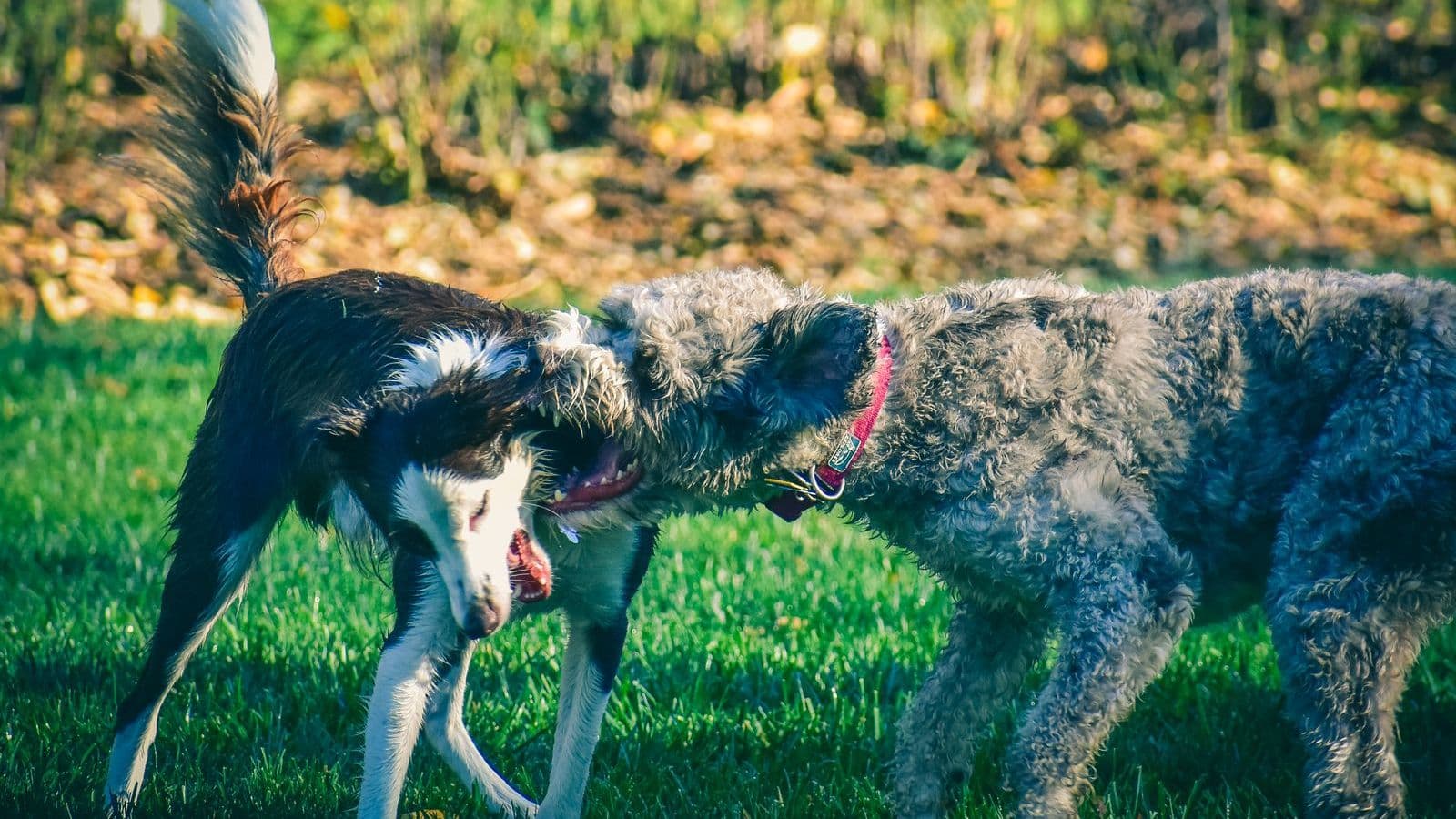
The Pumi is a lively, whimsical, terrier-influenced Hungarian herding breed with very high energy and a quick, vocal character. Bred to move stock in tight spaces using its voice and its body, the modern Pumi keeps all of that drive. Most training problems come from underestimating the energy, the bark, or the herding instinct. Here are the five mistakes that cause the most trouble, and what to do instead.
1. Under-exercising
The Pumi has genuinely very high energy, and without vigorous daily activity plus mental work it becomes frantic and destructive. Owners drawn to the charming looks but unprepared for the drive are quickly overwhelmed. Provide a real physical outlet, a job, and daily training, and the same dog channels its intensity into focus instead of chaos.
2. Allowing the bark to run
Barking was central to the Pumi's close-working herding style, so the breed is naturally vocal, and unmanaged early barking quickly becomes an entrenched habit. Owners who indulge it end up with a relentlessly noisy dog. Install a "quiet" cue from week one, manage the triggers, and reward calm, before the habit sets.
3. Boring, repetitive sessions
The terrier influence gives the Pumi a fast, sharp, easily-bored mind, and it switches off from dull, repetitive drilling. Owners who run monotonous sessions lose the dog's attention. Keep training varied, progressive, and quick, and give the Pumi as much mental work as physical exercise to keep that clever mind satisfied.
4. A weak recall around movement
The herding and prey drive means a Pumi may chase moving people, bikes, and animals, and that drive competes hard with a half-built recall. Owners who trust an unfinished recall around movement lose the dog to the chase. Invest in recall on a long line, proofing it specifically against moving distractions before any off-leash freedom.
5. Allowing herding and nipping
The Pumi may try to herd and nip at moving children, pets, and objects, and owners who let it slide reinforce the habit. Rather than only punishing it, redirect the instinct consistently from the first occurrence toward a toy, a task, or structured herding-style games, so the drive has a legitimate outlet rather than the family's heels.
What works with Pumis
Exercise the dog hard, manage barking early, keep training varied, build recall against movement, and redirect the herding instinct. The common thread is meeting a very high-energy, terrier-influenced herder: vigorous exercise, a real job, early bark management, varied training, and recall against the chase drive are the foundation, because an under-exercised Pumi becomes frantic. Match the energy and keep training fresh, and that fizzing intensity becomes brilliant working focus.
TailorPup's Pumi plan matches the breed's high energy and vocal tendency with structured outlets and bark management.
Start your Pumi's plan at tailorpup.com →
Related: How to Train a Pumi · Recall Training · Barking Solutions · Puppy Training Basics