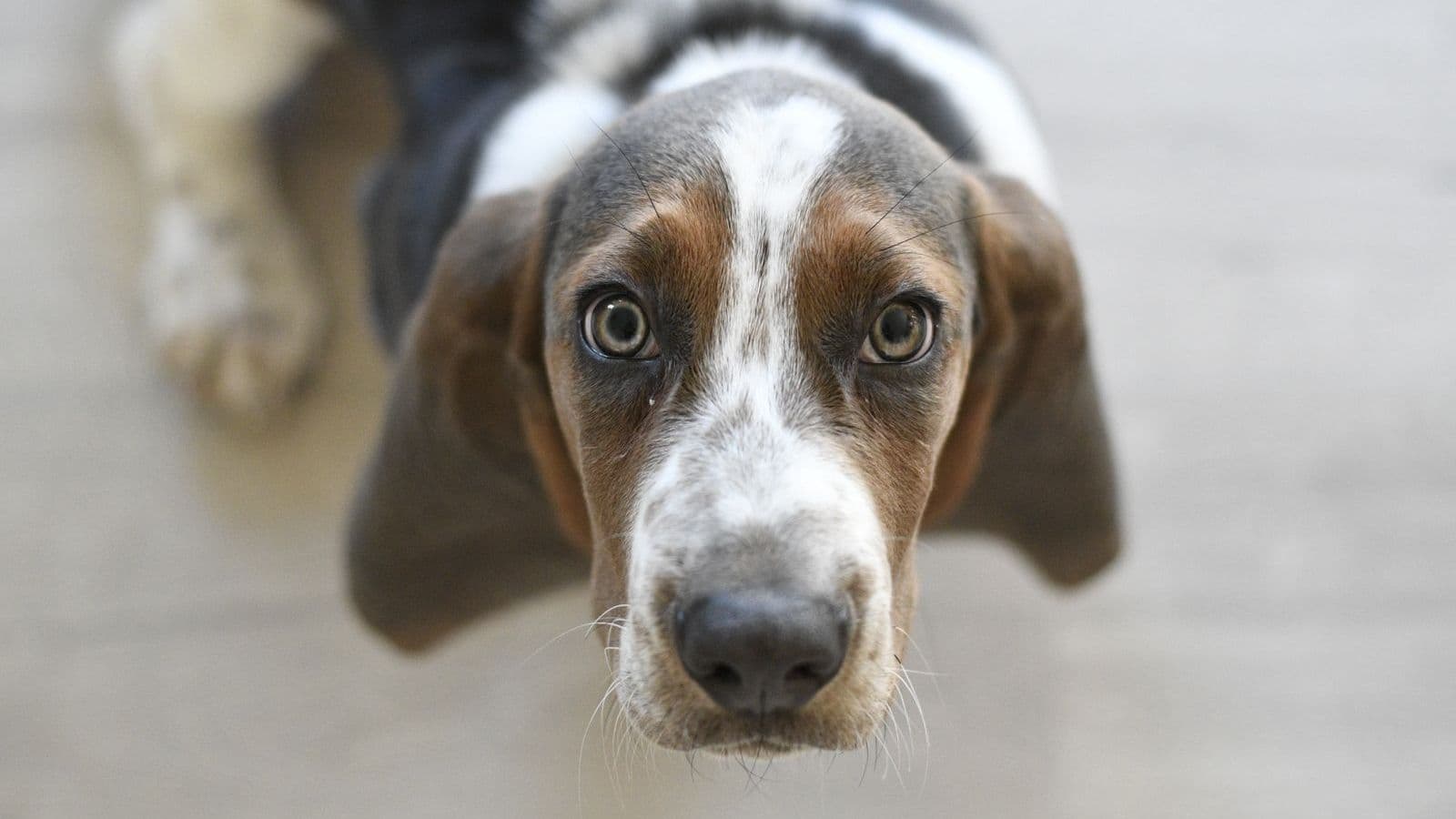
The Basset Hound is the droopy, dignified scent hound that follows its nose through life, a low-slung French breed developed to trail rabbits and hares at a slow, deliberate pace a hunter could follow on foot. With those famous long ears, mournful eyes, and short, heavy-boned body, the Basset is built around one supreme asset: a nose second only to the Bloodhound's. It is affectionate, easygoing, and wonderful with families, but it is also one of the most independent and stubborn of all the hounds, a dog that genuinely believes its nose knows best.
That nose-led, stubborn nature is the key to training one. The Basset is intelligent in its own way and strongly food-motivated, which gives you a real lever, but it is independent, deliberate, and easily ruled by scent, which makes recall genuinely unreliable and obedience a patient project. It is also vocal, prone to weight gain, and needs care for its long ears and back. Use food generously, manage the scent drive with secure space, keep training patient and upbeat, and you get a charming, mellow, devoted companion. Expect quick obedience or trust the nose off-leash, and you will be disappointed.
This guide covers what works with a Basset, week by week, built around how an independent, nose-driven scent hound actually learns.
At a glance:
- Trainability: 5/10, food-motivated but deliberate and stubborn — the nose usually outranks your voice
- Biggest risk factor: scenting drive so strong that recall is genuinely unreliable off-leash
- Health upkeep: prone to weight gain, which strains its long back, plus ears needing regular cleaning
- Example: once locked onto a trail, a Basset will follow it out of sight rather than turn back
- Not for: owners expecting quick obedience or reliable off-leash walks
What Makes Training a Basset Different
Four breed traits shape your approach.
1. Ruled by the nose. The Basset's scenting drive is extraordinary, and when its nose engages, the rest of the world, including your voice, simply fades. Recall is genuinely unreliable around scent, off-leash freedom in open areas is risky, and secure containment matters, because a Basset will follow a trail for a long way.
2. Independent and stubborn. Bred to trail on its own, the Basset weighs your requests and often decides they are not worth interrupting a good sniff. This is not stupidity; it is a deliberate scent hound mind. It cooperates for patient, food-rich, genuinely rewarding training and resists drilling and pressure.
3. Strongly food-motivated. The flip side of the stubbornness is a deep love of food, which is your single biggest training advantage. Use high-value treats generously, but watch the waistline, because the breed gains weight easily and excess weight strains its long back.
4. Vocal, low-energy, and care-intensive. The Basset has a loud bay and howl, modest exercise needs that still must be met, long ears prone to infection, and a long back vulnerable to injury from jumping. Manage the barking, keep the dog lean, and protect the ears and spine.
Week-by-Week Training Plan for Your Basset
Below is the framework we use at TailorPup for a Basset-specific 12-week plan. Run it at home; the order and emphasis are the point.
Weeks 1 and 2 : Foundation and Engagement
Teach your Basset that checking in with you pays, using its strong food motivation. Run three to four short sessions a day: name, mark eye contact, reward with high-value food. Build this attention habit before the nose takes over, and begin gentle ear and body handling. Our puppy basics guide covers the foundations.
Weeks 3 and 4 : Core Commands
Lure sit and down, mark, reward, and add cues once reliable, expecting a deliberate, independent learner. Keep sessions short, food-rich, and patient, and train before meals when the food-loving Basset is most motivated. Do not mistake the slow pace for defiance.
Weeks 5 and 6 : Leash Work
Bassets pull steadily toward scent. Use stop-and-stand for pulling and a harness, never relying on a collar with the breed's build. Allow scheduled "go sniff" breaks as rewards so the nose works with you, and accept that walks will be slow, sniffy affairs by nature.
Weeks 7 and 8 : Recall (Manage Expectations) and Barking
Build recall on a long line, jackpot every success, and never call the dog for anything it dislikes, but be realistic that recall will lose to a strong scent. Treat the long line and secure fencing as permanent tools. Manage the baying too: reward quiet and manage triggers.
Weeks 9 and 10 : Weight, Ears, and Gentle Exercise
Keep the Basset lean with measured food and counted treats, since obesity strains the long back. Provide modest daily exercise plus nose games, which satisfy the breed far more than distance. Keep up ear cleaning and discourage jumping from height to protect the spine.
Weeks 11 and 12 : Generalization
Prove the skills in the real world: loose-leash walking past distractions, recall inside fenced areas with mild temptation, quiet on cue, and settled behavior. A Basset that listens at home but not on a scent is normal, so these two weeks consolidate patient, realistic progress.
Common Basset Training Mistakes
Three mistakes show up repeatedly with this breed.
Mistake 1 : Trusting off-leash recall. The nose overrides recall in this breed more than almost any other, and a Basset will trail a scent out of sight. Treat open spaces as long-line or fenced-only, and accept that reliable off-leash recall is not realistic.
Mistake 2 : Expecting quick obedience and getting frustrated. The Basset is deliberate and stubborn by nature, and impatience or harshness backfires. Use its food motivation, keep sessions patient and rewarding, and celebrate slow, steady progress.
Mistake 3 : Letting the dog get overweight or neglecting ears and back. The breed gains weight easily, which harms its long spine, and its long ears are prone to infection. Keep it lean, clean the ears, and discourage jumping. The full list is in our Basset Hound training mistakes guide.
Frequently Asked Questions
Are Basset Hounds easy to train ? They are among the more challenging breeds for obedience, being independent, nose-driven, and stubborn. They are food-motivated, which helps a great deal, but recall in particular is unreliable, and training takes patience and realistic expectations.
Can I let my Basset Hound off-leash ? In a securely fenced area, yes. In open spaces it is risky, because the powerful nose overrides recall and the breed will follow a trail for a long way. Use a long line outdoors and rely on secure fencing.
Why is my Basset Hound so stubborn ? Because it was bred to trail independently and follow its nose, so self-direction is in its nature, not defiance. Use its love of food, keep training patient and rewarding, and work with the nose rather than against it.
How much exercise does a Basset Hound need ? Modest but real: around 30 to 60 minutes of daily activity plus nose games. The breed is low-energy, but it still needs exercise to stay fit and lean, and nose work satisfies it far more than distance.
Do Basset Hounds bark a lot ? They have a loud bay and howl and can be vocal, especially when bored or onto a scent. Manage it with trigger management, rewarding quiet, and enough enrichment, though some baying is inherent to the breed.
Is positive reinforcement effective for Basset Hounds ? Yes, and the breed's strong food motivation makes it especially effective. Reward-based training works far better than harshness, which only deepens the stubbornness and stalls progress.
Do Basset Hounds have health needs I should know about ? Yes. The long back is prone to injury from jumping and from excess weight, and the long ears need regular cleaning to prevent infection. Keeping the dog lean and protecting the spine and ears are important parts of care.
Why TailorPup Was Built for Basset Hounds
A generic plan ignores what defines this breed: the nose that runs the show, the stubborn independence, and the food motivation that is your way in. That mismatch is why standard advice frustrates Basset owners.
TailorPup builds a 12-week plan around your specific dog: its scent-hound nature, its age, and the behaviors you are seeing. For a Basset that means food-based motivation throughout, a realistic recall approach with long-line and fencing built in, nose-work outlets, weight and ear and back care, and patience with a deliberate mind.
Daily 12-minute sessions plus weekly adjustments based on your dog's progress. Plans from $9.99/month, no trial; annual starts at $2 for 7 days. Cancel anytime.
Related: Basset Hound Training Mistakes · Recall Training · Leash Pulling · Puppy Training Basics