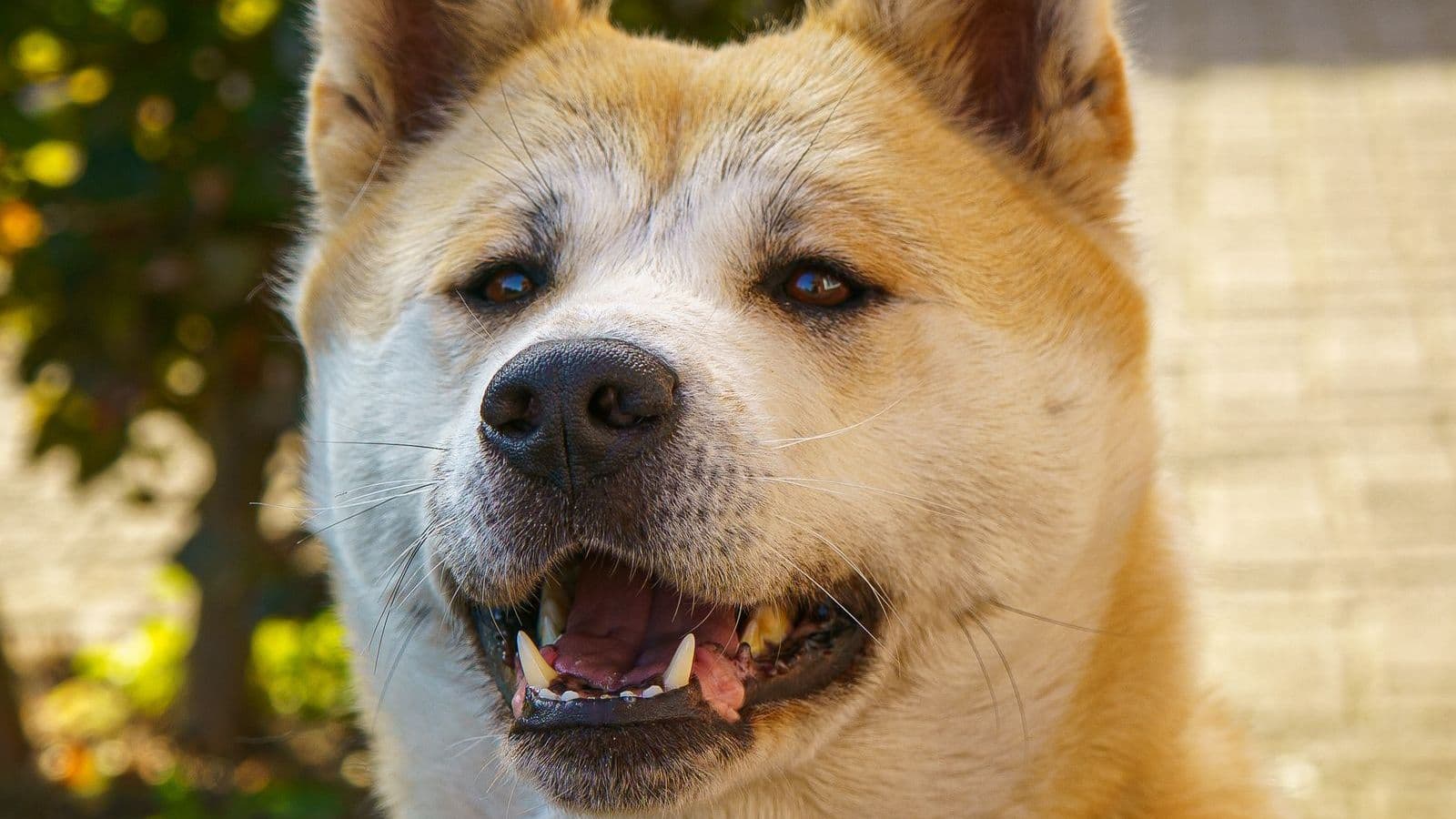
Hachiko waited at a Tokyo train station for nine years after his owner died, showing up every day at the exact time the train used to arrive. That's not a cute anecdote, it's the Akita in one story: profound, almost solemn devotion to family. Behind that loyalty is a 45-65kg dog bred to guard homes and hunt bear and boar in the mountains of northern Japan. Reserved with strangers. Dominant. Independent. Magnificent for the right owner, and a serious responsibility for anyone else.
Here's what that history means for training. An Akita doesn't obey on reflex, it weighs your request first. Say "come" and a well-bred Akita will visibly think about it before deciding. That's not defiance, it's exactly what a dog bred to guard livestock alone in the mountains, without a handler barking orders, is supposed to do. The same instinct that makes an Akita a world-class guardian also makes it naturally assertive with other dogs and resistant to force.
Get the training right, heavy socialization, calm leadership, manners taught early, and you have a loyal, dignified guardian. Get it wrong and you have a powerful, suspicious dog that's genuinely hard to manage. This is not a first dog.
This guide covers what actually works with an Akita, week by week.
At a glance:
- Trainability: 6/10, smart but independent, cooperates for respect, not repetition
- Biggest risk factor: under-socialization, it turns natural watchfulness into real suspicion
- Dog-to-dog: real potential for same-sex aggression, manage introductions for life
- Example: call "come" mid-play and a well-bred Akita often pauses. It's weighing the request. That's normal, not disobedience
- Not for: first-time owners, apartment dogs without a real socialization plan, or anyone expecting instant obedience
What Makes Training an Akita Different
Four traits shape everything about your approach.
1. Independent and strong-willed. The Akita was bred to guard and hunt using its own judgment, not a handler's commands. It cooperates when training feels fair and worth its time. It shuts down under drilling and repetition, and it does not respond to being physically overpowered.
2. Protective and reserved with strangers. An Akita watches. A stranger walking up your driveway gets assessed, not greeted. Heavy, early, ongoing socialization turns that watchfulness into sound judgment. Skip it and you get indiscriminate suspicion in a dog large enough to make that dangerous.
3. Real dog-aggression potential. Akitas, especially same-sex pairs, can be genuinely intolerant of other dogs. This is a documented breed trait, not bad luck. Early socialization helps. Many adult Akitas still do best as the only dog in the house.
4. Proud, sensitive, and physically powerful. Yell at an Akita or try to muscle it into position, and it doesn't submit, it resists or shuts down. The same dog that shrugs off a bear charge goes quiet and distant after a harsh correction. Keep every session calm and reward-based.
Week-by-Week Training Plan for Your Akita
Below is the framework we use at TailorPup for an Akita-specific 12-week plan, written for a committed owner. Run it at home; the order and emphasis are the point.
Weeks 1 and 2 : Meet the World
Socialization comes first with this breed. Take the puppy out to meet calm people, new places, new sounds, and well-behaved dogs. Keep it positive, keep it short. Run 3-4 quick reward-based sessions a day. Start touching the paws, ears, and coat now, while the dog is small, so grooming is easy later.
Weeks 3 and 4 : Sit and Down
Lure the puppy into a sit, mark it, reward it. Same for down. Add the word once the action is solid. An Akita needs a reason to comply, so keep sessions short and end every one on a win. Drilling the same command ten times in a row loses the dog fast.
Weeks 5 and 6 : Leash Manners While It's Small
Teach loose-leash walking now, before the dog hits full adult size and strength. Stop walking the second the leash goes tight. Start walking again the second it goes loose. A front-clip harness helps with control while this habit builds.
Weeks 7 and 8 : Recall and Meeting New Things
Build recall on a long line. Pay big for every single response. Never call the dog for anything it hates, like a bath. Start pairing strangers and other dogs with good things (treats, calm distance) so the guarding instinct stays level-headed. Our reactivity guide walks through the method.
Weeks 9 and 10 : Teach "Settle"
Teach the dog to lie down and relax on cue, especially when guests arrive. Set clear house rules for greeting visitors and meeting other animals. Keep socializing. For a guardian breed, this never really stops. Reward calm behavior around normal comings and goings.
Weeks 11 and 12 : Real-World Practice
Practice manners in busier, noisier places. Practice calm responses to strangers. Practice loose-leash walking on real walks, not just the driveway. The goal isn't a dog that heels perfectly in a show ring. It's a dog that's safe and predictable in your actual daily life.
Common Akita Training Mistakes
Three mistakes come up again and again with this breed.
Mistake 1 : Skipping socialization. This is the big one. Without heavy, early, ongoing exposure to people and dogs, the Akita's watchfulness turns into real suspicion, in a dog strong enough to make that dangerous. Socialization isn't a puppy-phase task. It runs for the dog's whole life.
Mistake 2 : Using harsh handling. Yell at an Akita or try to force it and you get resistance, not obedience. The bond breaks. Calm, fair, reward-based leadership is the only thing that works long-term.
Mistake 3 : Ignoring the dog-aggression risk. Many Akitas don't get along with other dogs, especially same-sex pairs. Socialize early. Manage carefully around other dogs. Accept that some Akitas do best as the only dog in the house. Full list: Akita training mistakes.
Frequently Asked Questions
Are Akitas easy to train ? Not for a first-time owner. They're intelligent, but independent and proud. Training works when it's calm, fair, and reward-based. Force backfires immediately. Socialization matters as much as obedience commands.
Are Akitas good for first-time owners ? Generally no. The size, strength, independence, and dog-aggression potential ask for real experience. A novice owner without a plan for heavy socialization and consistent leadership will struggle.
Are Akitas aggressive ? Toward people, no, they're protective guardians, not indiscriminately aggressive. Toward other dogs, they can be genuinely assertive. A well-socialized, calmly-led Akita is stable and dignified. Skip the socialization and that protectiveness turns into a real problem.
Can I let my Akita off-leash ? Rarely. Reliable control on leash or a long line is the realistic goal. Public off-leash freedom doesn't fit a breed with this level of protectiveness and dog-aggression potential. Secure containment at home is essential.
Why is my Akita aloof with strangers ? Because it was bred to guard. Reserve with strangers is instinct, not a flaw to fix. Heavy, positive socialization turns that instinct into sound judgment instead of suspicion. Never force an interaction with a stranger.
Is positive reinforcement effective for Akitas ? Yes, paired with calm, consistent leadership. This proud, sensitive breed responds to fair reward-based training. Harsh handling damages trust and brings out resistance instead of compliance.
Do Akitas get along with other dogs ? Often not, especially with other Akitas or same-sex dogs. Early socialization helps, but many adult Akitas still do best as the only dog in the house. Plan for careful management around other dogs, not automatic friendliness.
Why TailorPup Was Built for Akitas
A generic plan assumes an easy-going pet. It ignores what actually defines this breed: the independence, the watchfulness, the dog-aggression risk, and the pride that won't take force. With a dog this powerful, that mismatch is a real risk, not a small one.
TailorPup builds a 12-week plan around your actual dog, its age, its guarding instinct, its life at home. For an Akita, that means socialization comes first, leash and manners start early, leadership stays calm and reward-based, and expectations stay realistic about what this breed will and won't do.
Daily 12-minute sessions plus weekly adjustments based on your dog's progress. Plans from $9.99/month, no trial; annual starts at $2 for 7 days. Cancel anytime.
Related: Akita Training Mistakes · Recall Training · Reactivity Training · Leash Pulling