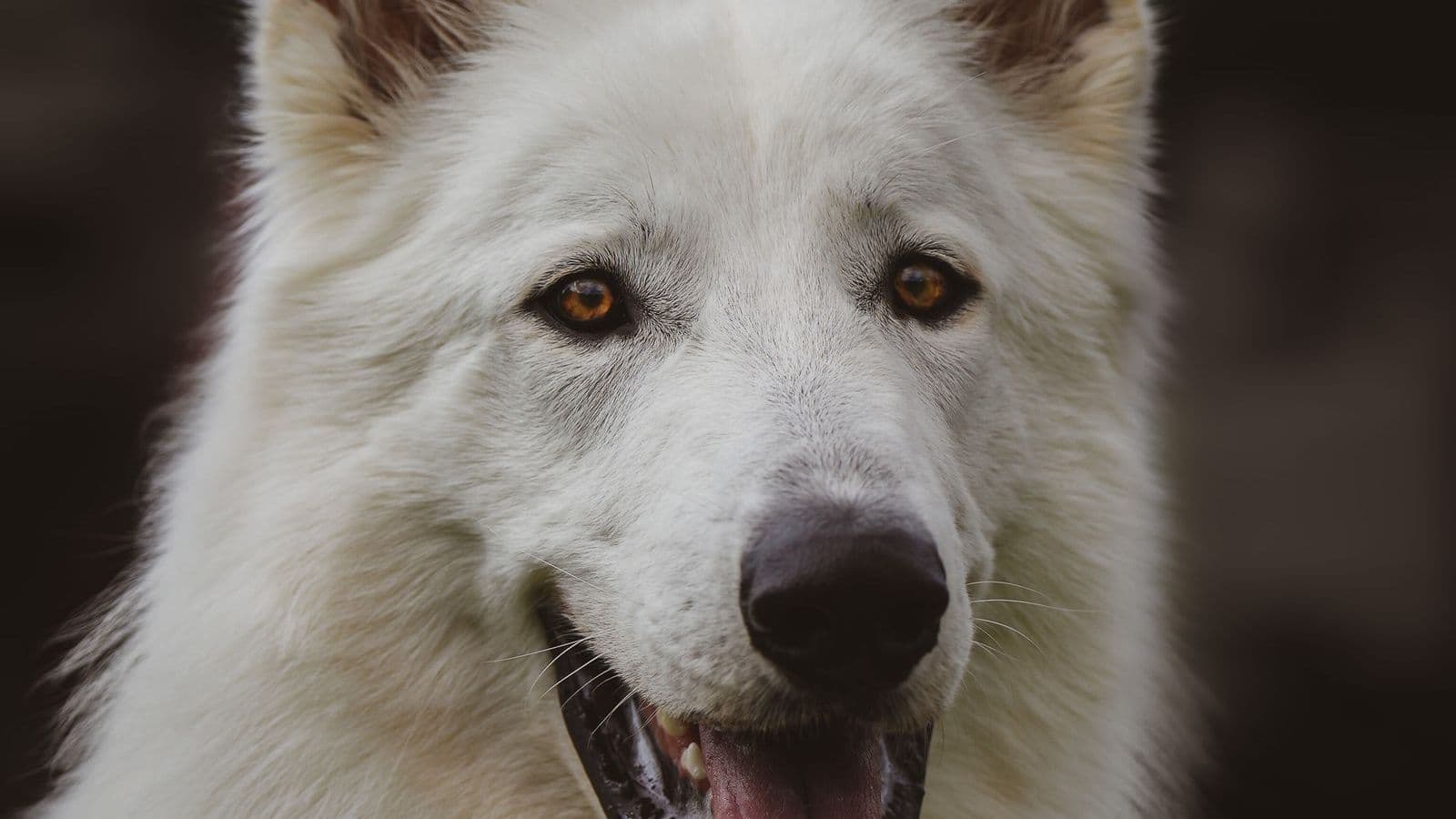
The White Swiss Shepherd is an intelligent, hard-working herding breed bred from the same stock as the German Shepherd but selected for a softer, more sensitive, more companion-oriented temperament. That sensitivity and a strong attachment to its people are behind almost every training problem. Most owners go wrong by handling it too firmly or by underestimating its needs. Here are the five mistakes that cause the most trouble, and what to do instead.
1. Harsh handling
The White Swiss Shepherd is notably more sensitive than the working German Shepherd, and harsh corrections produce fear and shutdown rather than obedience. Owners who apply pressure get an anxious, withdrawn dog and lose its trust. Use reward-based methods throughout, keep your tone calm and encouraging, and the breed's intelligence and eagerness do the rest.
2. Ignoring the separation-anxiety risk
This breed bonds intensely and is one of the more separation-prone shepherds, readily panicking and becoming destructive when left without preparation. Owners who keep the dog constantly at their side create the very problem they fear. Condition alone-time from puppyhood with short, calm absences, so the strong attachment never tips into distress.
3. Under-stimulation
This is a genuine working herding dog that needs both daily physical exercise and real mental work, and an under-stimulated White Swiss Shepherd becomes anxious, restless, and destructive. Owners charmed by the gentle temperament sometimes forget the worker underneath. Provide proper exercise plus training, a job, or a dog sport, and the same dog settles beautifully, channelling its working brain into the task rather than into anxious, destructive habits around the house.
4. A weak recall
The herding drive means the breed may chase moving things, and that drive competes with a half-built recall. Owners who trust an unfinished recall lose the dog to movement. Build recall patiently on a long line with high-value rewards, proofing it against moving distractions before any off-leash freedom.
5. Insufficient socialization
The sensitive, sometimes reserved temperament needs broad positive exposure to build confidence, and without it the reserve can tip into shyness or reactivity. Owners who under-socialize a soft puppy create a fearful adult. Socialize broadly and positively during the puppy window so the breed grows up confident and stable.
What works with White Swiss Shepherds
Train gently, condition alone-time early, provide daily physical and mental work, build recall against movement, and socialize broadly. What ties these together is gentleness with a sensitive shepherd: reward-based training, early separation conditioning, a real job, and broad socialization are the foundation, because harshness produces a fearful, shut-down dog. Honor the sensitivity and the attachment, and the White Swiss Shepherd is a devoted, beautifully responsive companion.
TailorPup's White Swiss Shepherd plan is reward-based and front-loads separation conditioning and socialization.
Start your White Swiss Shepherd's plan at tailorpup.com →
Related: How to Train a White Swiss Shepherd · Recall Training · Puppy Training Basics