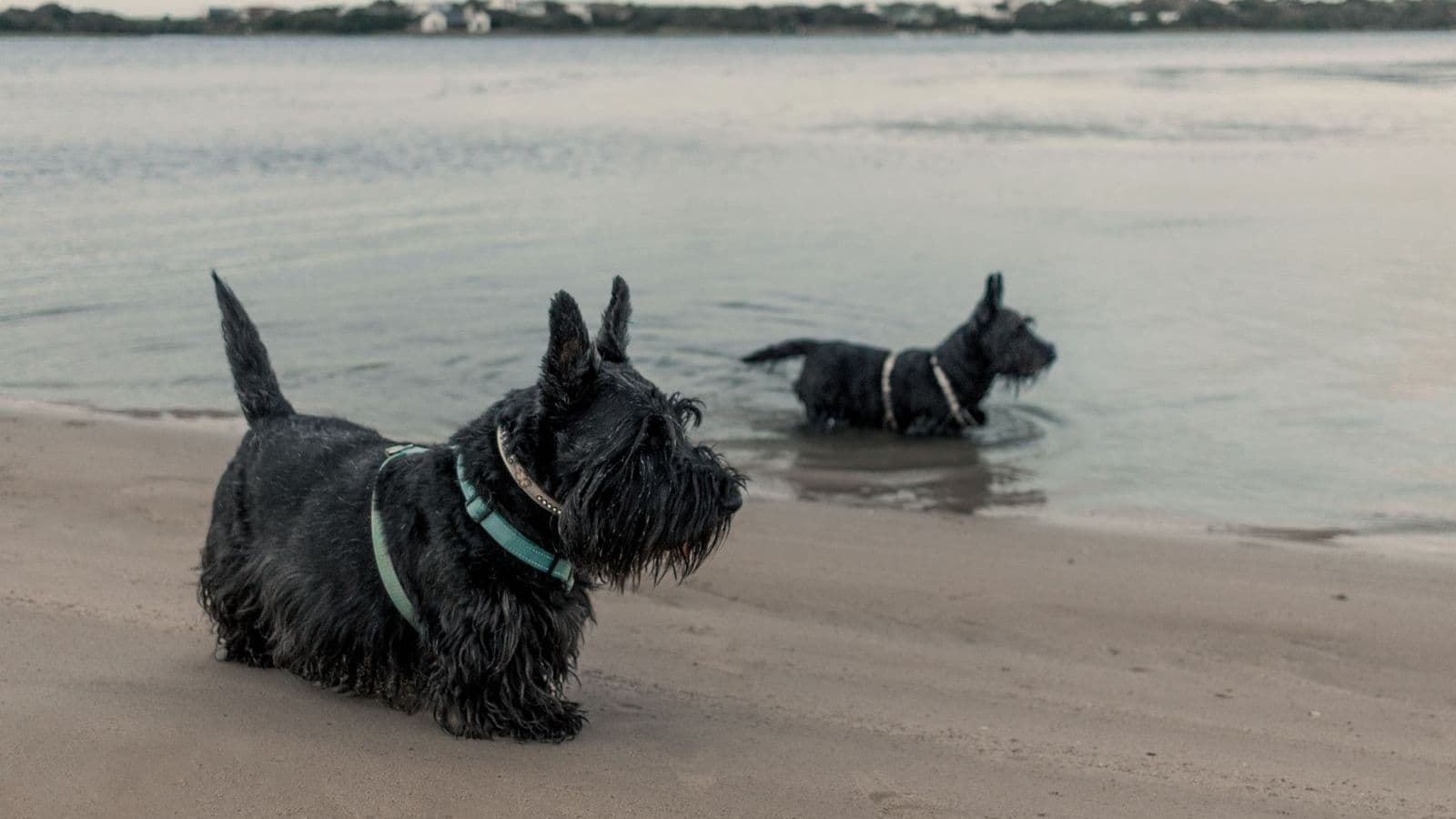
The Scottish Terrier is a dignified, self-possessed, almost cat-like terrier, bred to work fox and vermin alone underground and famously independent because of it. That self-reliance reads as stubbornness to owners expecting an eager companion, and the tough exterior hides a surprisingly sensitive dog. Most training problems come from misreading both. Here are the five mistakes that cause the most trouble, and what to do instead.
1. Expecting eager obedience
The Scottie was bred to make its own decisions underground, so it weighs requests and complies when it sees the point, not because it lives to please. Owners expecting prompt, enthusiastic obedience read this as defiance and grow frustrated, which backfires. Use gentle, genuinely worthwhile motivation, keep expectations realistic, and remember the independence is breed character, not disobedience.
2. Harsh handling
Despite the tough, sturdy look, the Scottie is dignified and sensitive, and harsh corrections make it shut down and dig in rather than comply. Owners who try to force the issue meet the breed's considerable stubbornness head-on. Reward-based methods work far better: make cooperation rewarding, keep your tone respectful, and the Scottie engages on its own terms.
3. Trusting it off-leash too soon
The Scottie's ratting heritage gives it a real prey drive that overrides a half-built recall the instant it spots a squirrel, cat, or rabbit. Owners who trust open ground watch the dog bolt and ignore every call. Build recall on a long line with high-value rewards, and treat reliable off-leash freedom as a fenced-area goal.
4. Boring, repetitive drilling
The independent Scottie quickly loses interest in repeated, monotonous exercises and simply stops participating. Owners who drill the same cue over and over lose the dog's attention. Keep sessions short, varied, and motivating, end while the dog is still keen, and the Scottie stays cooperative.
5. Providing no terrier outlets
A working terrier with no outlet for its drive to dig, chase, and hunt invents its own, usually destructive, entertainment. Owners who provide only walks miss what the breed needs. Offer a digging box, scent games, and chase outlets like a flirt pole, so the Scottie's instincts have somewhere acceptable to go. A Scottie with real outlets is far less likely to redecorate the garden or bark obsessively at the fence.
What this looks like at home
The scene. The Scottie sits down halfway through a walk and refuses to go on. At the park it tunnels into the hedge after a scent and ignores you completely.
What to do instead. Accept the dignity and bargain with it. Use high-value rewards, keep sessions to a few minutes, and end before the dog decides it has had enough. Keep it on a lead or long line, since terrier prey drive is quicker than recall. Give it a place to dig and a scent game to do indoors. Teach new cues as choices: ask once, reward the first response, and make the next thing fun. A Scottie treated with respect will often surprise you with its loyalty and charm.
What works with Scotties
Adjust your expectations to an independent breed, use gentle worthwhile motivation, treat off-leash as a fenced-only goal, keep sessions short and varied, and provide terrier outlets. The throughline is respecting a dignified, self-reliant, secretly sensitive terrier on its own terms, and the reward is a characterful, devoted, genuinely charming companion.
TailorPup's Scottie plan uses motivation suited to the independent breed, front-loads socialization, channels the prey drive and digging into outlets, and treats off-leash as fenced-only.
Start your Scottish Terrier's plan at tailorpup.com →
Related: How to Train a Scottish Terrier · Recall Training · Leash Pulling