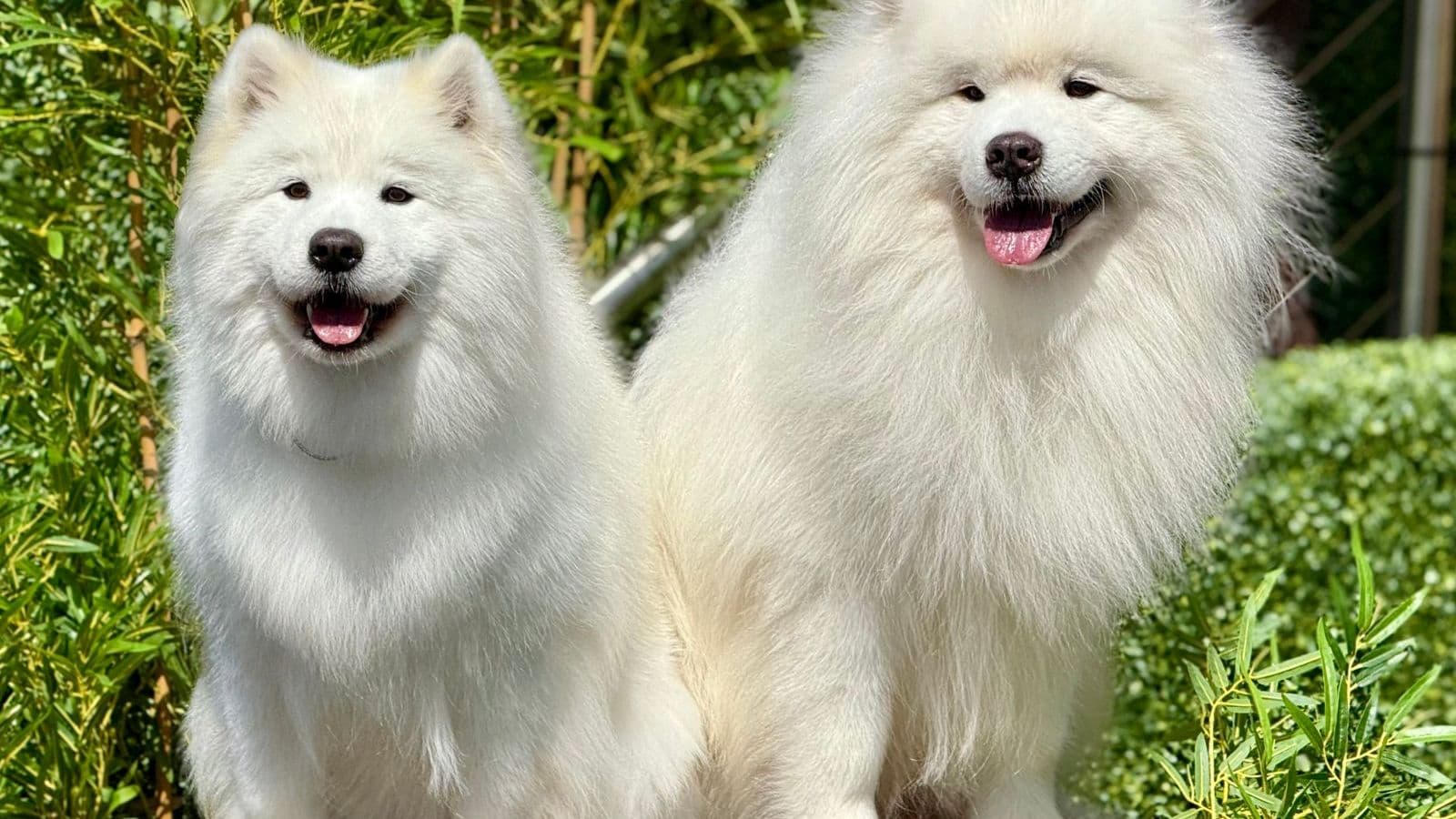
The Samoyed is a friendly, smiling spitz bred by the Samoyedic peoples to herd reindeer, haul sleds, and sleep alongside the family for warmth in the Siberian cold. That history of living in close contact with people defines the breed: it is intensely social, vocal, and independent, with a heavy coat built for the Arctic. Almost every Samoyed problem comes from isolation or from underestimating its spitz needs. Here are the six mistakes that cause the most trouble, and what to do instead.
1. Isolating them
The Samoyed was bred to live in close contact with people, even sleeping with the family, and an isolated one becomes destructive, anxious, and very loud. Owners who leave it alone too much create real distress, because the breed genuinely cannot tolerate it. Include the Samoyed in family life, build alone-time tolerance gradually, and never treat this deeply social breed as a dog that can be left alone for long stretches.
2. Ignoring barking
Samoyeds are naturally vocal, barking, howling, and "talking," and unmanaged the noise becomes the defining problem of ownership. Owners who tolerate the early vocalizing end up with a constantly loud dog. Address it from week one: reward quiet, teach a "quiet" cue, manage triggers, and never reward demand barking, shaping the chattiness before it sets in. See our barking guide.
3. Exercising in the heat
The Samoyed's heavy double coat makes it overheat easily, and owners who exercise it in warm weather risk dangerous heat stress. The coat built for Siberia works against the dog in summer. Exercise only in cool conditions, provide shade and water, never leave a Samoyed in the heat, and treat heat management as a genuine safety priority for this Arctic breed.
4. Underestimating exercise needs
The active sled and herding Samoyed needs 60 to 90 minutes of daily exercise plus mental work, and an under-exercised one becomes destructive and restless. Owners charmed by the fluffy, smiling look underestimate the working engine. Provide real daily activity plus brain work, and the same dog is settled and cheerful rather than channeling its energy into trouble at home.
5. Harsh handling
The friendly but independent Samoyed responds to good motivation and genuinely resents harshness, meeting corrections with stubbornness rather than compliance. Owners who try to crack down get nowhere. High-value reward-based training works, while corrections backfire, so make cooperation worthwhile, keep your tone upbeat, and the spitz independence stops being an obstacle and becomes manageable.
6. Trusting it off-leash
The Samoyed's spitz independence plus prey drive make recall genuinely unreliable, and owners who trust open ground lose the dog to a wander or a chase. The instinct outcompetes a half-built cue. Use a long line in open areas and secure fencing, build recall patiently, and reserve real off-leash freedom for safely enclosed spaces rather than assuming the friendly dog will return.
7. Ignoring the pulling instinct
Samoyeds come from a sled-pulling background, and many lean into the leash the moment they see something interesting. Owners who tolerate it end up with a dog that drags them down the street. Stop moving when the leash tightens, reward the moment it goes slack, and teach a clear walking position with plenty of rewards. Consistency from every person who walks the dog is what makes it stick.
8. Tolerating constant barking
Samoyeds are famously vocal, and talking back or reacting to every bark can teach the dog that noise gets results. Reward quiet moments, give the dog a job or a puzzle when it starts to chatter, and make sure it is getting enough exercise and mental work. A bored Samoyed will find its own entertainment.
9. Trusting the fence
Samoyeds are clever, curious and often keen to explore, and a gap, a low section or a dug-under spot is all it takes to escape. Check your boundaries, supervise garden time, and build a solid recall so the dog has a reason to come back when it does get out.
A realistic weekly routine
A good week for a Samoyed includes a long walk or hike most days, two or three short training sessions focused on loose-leash walking and recall, daily brain games such as scatter feeding or find-it, and calm time practicing settling on a mat. In warm weather, exercise in the cooler parts of the day, because the thick double coat makes overheating a real risk.
What works with Samoyeds
Include them in family life and never isolate, manage the barking, exercise in cool conditions, provide substantial activity, use motivating reward-based methods, and treat off-leash as a fenced-only goal. The common thread is honoring a social, vocal Arctic spitz: keep the dog close, manage the voice and the heat, and motivate rather than force, and the Samoyed is a friendly, gentle, smiling companion.
TailorPup's Samoyed plan includes a barking protocol, front-loads independence work, schedules cool-weather exercise, and uses the motivation the friendly-but-independent breed needs.
Start your Samoyed's plan at tailorpup.com →
Related: How to Train a Samoyed · Barking Solutions · Recall Training