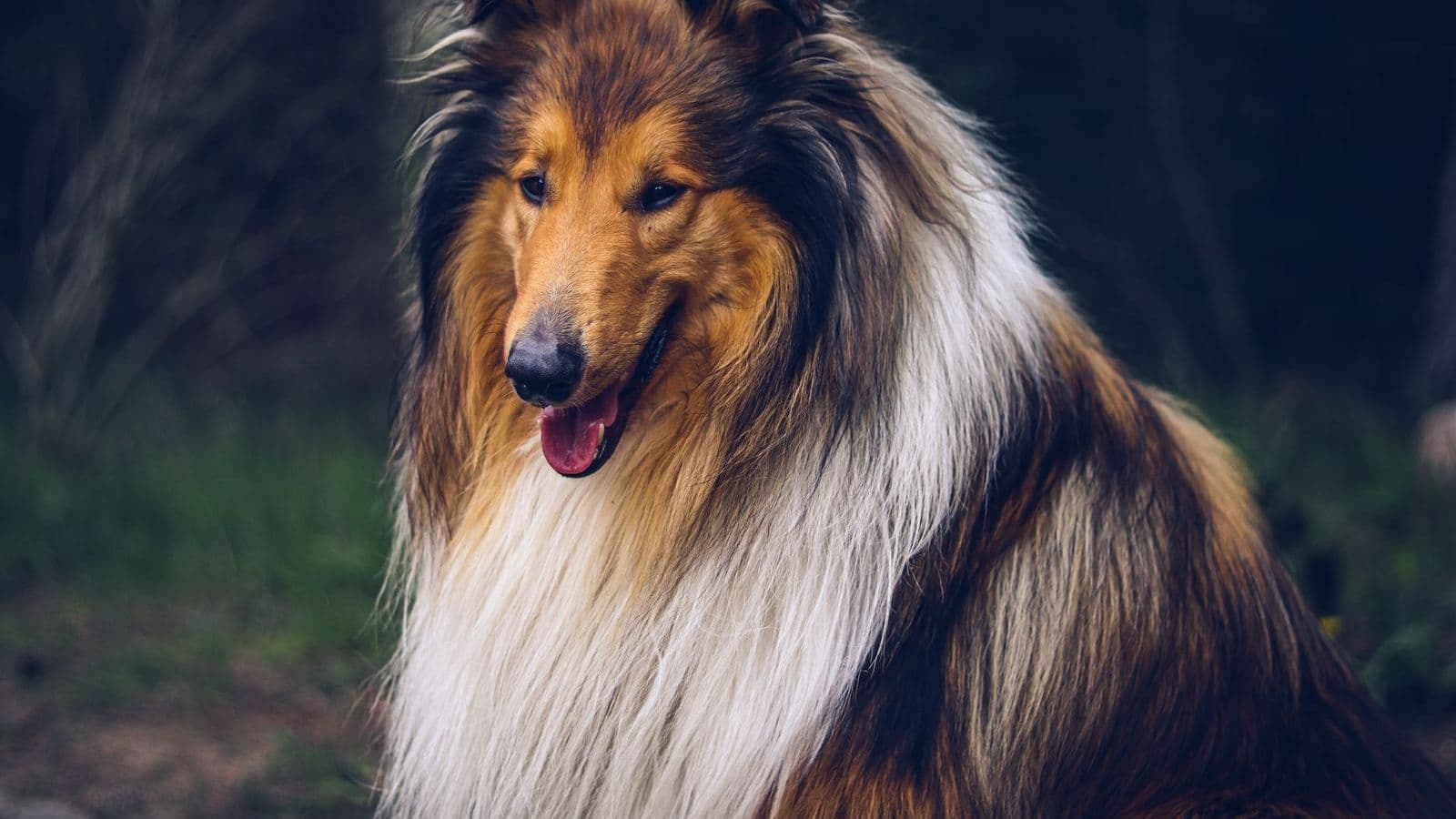
The Rough Collie, the "Lassie" breed, is a sensitive, intelligent, deeply devoted herding dog, and famously a vocal one. Its gentleness and emotional sensitivity make it wonderfully trainable, and exactly the wrong dog for heavy-handed methods. Most training problems come from handling it too firmly or ignoring its voice and drive. Here are the five mistakes that cause the most trouble, and what to do instead.
1. Harsh handling
The Rough Collie is highly sensitive and reads its handler closely, and harsh corrections cause fear and shutdown rather than learning. Owners who bring frustration to a session get an anxious, withdrawn dog. Reward-based training is not just kinder here, it is essential; keep sessions calm and encouraging, and the breed's intelligence and willingness shine.
2. Ignoring the barking tendency
Collies are naturally vocal and alert, and an unmanaged Rough Collie develops a persistent barking habit at movement, sounds, and visitors. Owners who tolerate the early barking find it hard to undo later. Install a "quiet" cue from week one, manage the triggers, and reward calm, so the vocal tendency stays reasonable.
3. Under-stimulation
This is a working herding breed that needs daily mental and physical work to stay balanced, and an under-stimulated Rough Collie becomes anxious, barky, and destructive. Owners who treat it as a calm family pet miss the worker underneath. Provide proper exercise plus training, puzzles, or a dog sport, and the same dog settles beautifully.
4. Allowing the dog to herd the family
The herding instinct targets movement, so a Rough Collie may circle, chase, and nip at running children, bikes, and pets. Owners who let it slide reinforce the habit. Rather than only punishing it, redirect the instinct consistently toward structured games, a reliable "leave it", and appropriate outlets, so the drive has somewhere to go.
5. A weak recall
The herding drive competes with recall, and a Rough Collie that fixates on moving things can tune out a half-built cue. Owners who rush off-leash freedom lose reliability. Build recall patiently on a long line with high-value rewards, proofing it against movement before trusting the dog in open areas.
6. Reacting harshly to a sensitive dog
Rough Collies are gentle and highly attuned to their people, and a harsh tone or visible frustration can make them anxious or withdrawn. Keep sessions calm and encouraging, break tasks into small steps and reward effort. If you feel annoyed, end the session on an easy success and try again later.
7. Tolerating herding behavior
Collies can circle, nip heels or try to round up children, other pets and moving objects. It is instinct, but nipping can be unsafe and frightening for others. Redirect to a toy or a trained behavior the moment it starts, reward calm movement and manage the environment so the dog is not rehearsing the habit. Give it appropriate outlets such as fetch and training games.
8. Not planning for coat care
A Rough Collie's thick coat needs regular brushing, and a dog not used to it will resist. Start early, keep sessions short and rewarding, and brush a little each day to prevent mats. Ask your vet about the breed's known sensitivity to certain medications, since some collies carry a gene that affects how they react to specific drugs.
9. Tolerating constant barking
Collies are alert and vocal, and a dog that barks at every sound learns that barking works. Reward quiet moments, teach a calm 'enough' and give the dog a job or puzzle when it starts to chatter. Make sure it gets enough exercise and mental work so barking is not boredom.
A realistic weekly routine
A Collie week includes daily walks, a chance to run and play, and two or three short training sessions with positive methods covering recall, calm greetings and quiet. Add a puzzle feeder or trick training, short practice absences, and a few minutes of grooming each day so the dog stays comfortable and relaxed.
What works with Rough Collies
Handle gently, manage the barking early, provide daily mental and physical work, redirect the herding instinct, and build recall patiently. The common thread is gentleness with a sensitive, vocal herder: reward-based training, early bark management, daily mental and physical work, and herding redirection are the foundation, because the Collie shuts down under harshness. Meet the sensitivity and channel the voice and drive, and the gentle family dog the breed is famous for shines.
TailorPup's Rough Collie plan is reward-based and builds in barking management for a sensitive herding breed.
Start your Rough Collie's plan at tailorpup.com →
Related: How to Train a Rough Collie · Barking Solutions · Recall Training · Puppy Training Basics