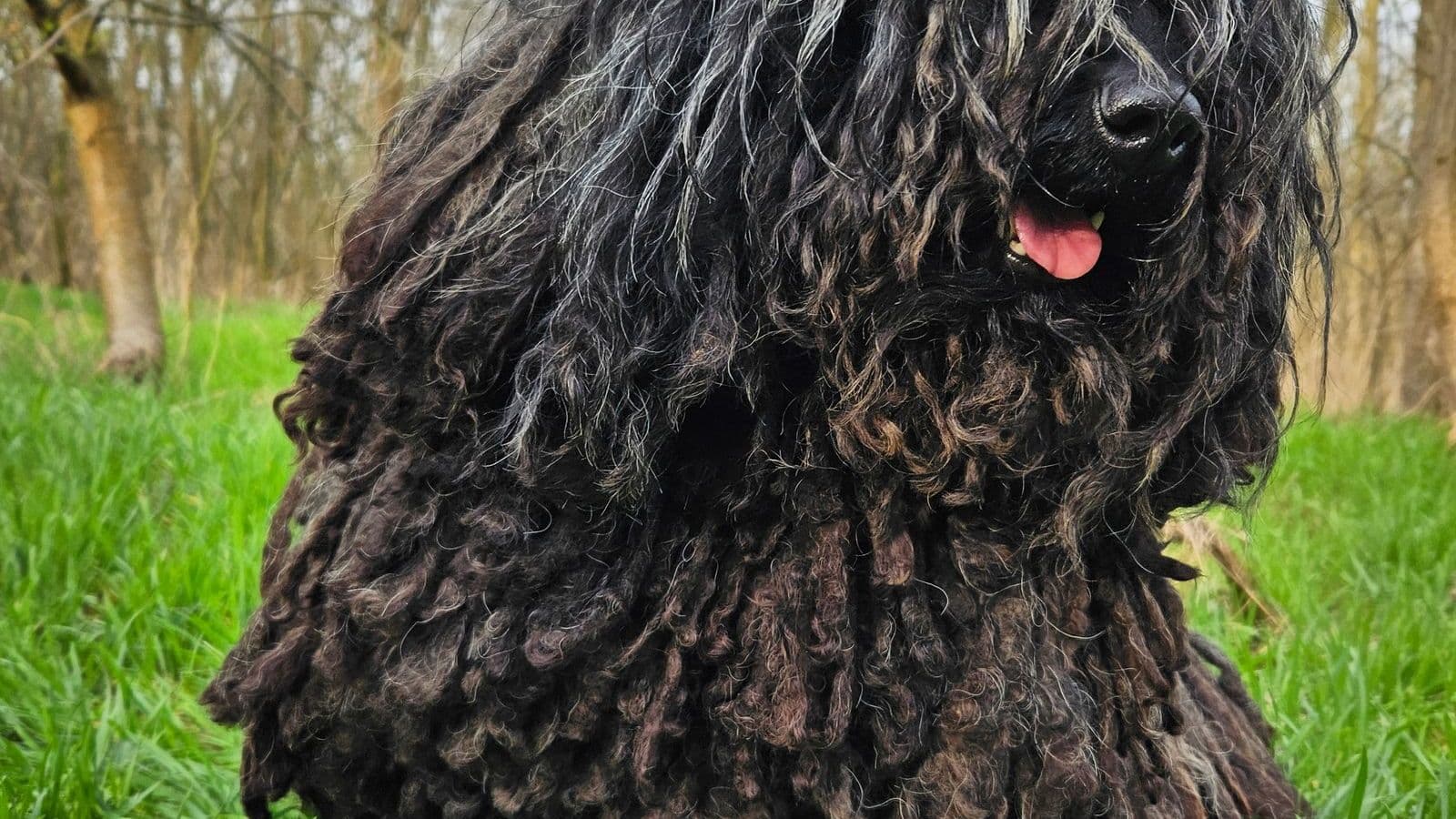
The Puli is an agile, intensely energetic, vocal Hungarian herding dog under that famous mop of cords, bred to work sheep all day on its own initiative. That working drive, independence, and voice are exactly what owners underestimate when they fall for the unusual looks. Most training problems come from treating a serious working herder like a novelty pet. Here are the five mistakes that cause the most trouble, and what to do instead.
1. Under-stimulation
The Puli is an intelligent working dog that needs real daily physical and mental activity, and an under-stimulated one becomes restless, barky, and destructive. Owners charmed by the corded coat sometimes forget the herder underneath. Provide proper exercise plus training, a job, or a dog sport, and the same dog settles happily indoors with its considerable energy spent.
2. Allowing alert barking
The Puli's watchdog heritage produces a persistent bark if left unmanaged, and early woofs quickly become a fixed habit. Owners who indulge them end up with a constantly vocal dog. Install a "quiet" cue early, manage the triggers, and reward calm, so the alertness stays useful rather than relentless.
3. Expecting easy compliance
Bred to make its own decisions while herding, the Puli is independent and weighs requests rather than obeying reflexively. Owners expecting prompt obedience read this as stubbornness and pile on pressure, which backfires. Use consistent, genuinely rewarding training and keep it varied; the Puli cooperates well when the work is worth its while.
4. Neglecting cord care
The Puli's coat forms cords that must be separated by hand and maintained, and a dog never conditioned to accept that handling makes coat care a battle. Owners who skip this end up with matted cords and a stressed dog. From puppyhood, pair cord separation and handling with treats in short sessions, so lifelong coat care stays calm.
5. Allowing the dog to herd the family
The Puli may try to herd children, pets, and moving objects, nipping and circling, and owners who let it slide reinforce the habit. Rather than only punishing it, redirect the instinct toward structured work, games, and a reliable "leave it", so the herding drive has a legitimate outlet.
What works with Pulis
Provide daily physical and mental work, manage barking early, train consistently and rewardingly, maintain the cords, and redirect the herding instinct. What ties these together is channeling a corded, vocal herder: a real job, daily exercise, early bark management, herding redirection, and cord care are the foundation, and the breed's intelligence rewards engaging, varied training. Provide the outlet and keep the cords healthy, and the Puli is a lively, devoted, capable companion.
TailorPup's Puli plan channels the breed's herding independence with barking management and mental work.
Start your Puli's plan at tailorpup.com →
Related: How to Train a Puli · Recall Training · Barking Solutions · Puppy Training Basics