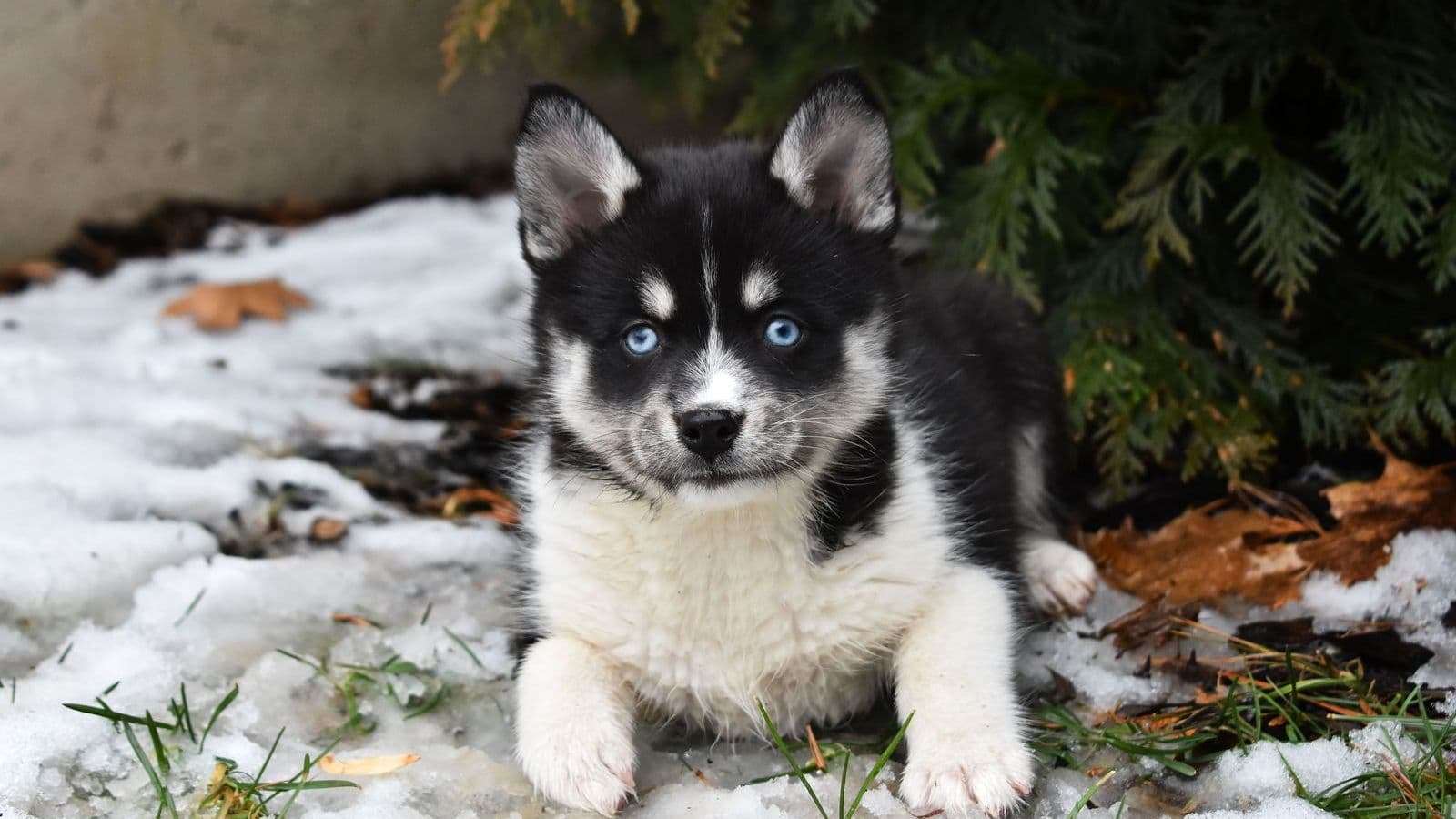
The Pomsky is a designer cross between the Siberian Husky and the Pomeranian, and it inherits a volatile mix: Husky independence, escape skill, and roaming drive blended with Pomeranian vocal alertness. Owners drawn in by the striking looks and small size are often unprepared for the working-spitz brain inside, and almost every Pomsky problem comes from underestimating the Husky side. Here are the five mistakes that cause the most trouble, and what to do instead.
1. Trusting yard containment without verifying it
The Husky escape tendency is real in many Pomskies, and a dog that can dig under or climb a fence eventually will. Owners who assume a small dog cannot get out are surprised to find an empty yard. Verify your containment honestly, check for dig spots and low points, supervise outdoor time, and never trust an unproven fence with a cross that may be a genuine escape artist.
2. Allowing vocal behavior to set in
Both parent breeds contribute to a very vocal dog, between Husky talking and howling and Pomeranian alert barking, and unmanaged it becomes the defining problem of ownership. Owners who indulge the early noise end up with a constantly loud dog. Shape quiet from puppyhood, teach a "quiet" cue, reward calm, and manage triggers before the doubled vocal inheritance becomes a habit.
3. Giving up on recall because the dog is small
Owners assume a tiny dog does not need a reliable recall, but a Pomsky with the Husky roaming drive that bolts can be hit by a car. The size makes the risk easy to dismiss. Invest in recall patiently on a long line with high-value rewards, proof it against distractions, and treat a solid recall as the safety essential it genuinely is for this cross.
4. Under-exercising the dog
The Husky heritage means real exercise needs, and a Pomsky given only short strolls becomes restless, vocal, and destructive. Owners who expect a low-energy lapdog are caught out. Provide 45 to 60 minutes of vigorous daily activity plus mental work, and the same dog settles into a calm, manageable companion rather than a frustrated bundle of energy.
5. Making size-based exceptions
Because the Pomsky is small, owners let it break rules they would never allow from a Husky, and small-dog syndrome takes hold quickly. The inconsistency creates the bratty, demanding behavior. Hold clear, consistent rules applied the same way by everyone, treat the dog as a real dog regardless of size, and the breed settles into the structure.
6. Expecting a toy dog
Because Pomskies look small and fluffy, owners sometimes expect a quiet lap dog. A Pomsky can inherit the energy, vocal nature and independence of the Husky side, and traits vary from dog to dog. Plan for a clever, active dog: daily exercise, short training sessions and plenty of mental work. Meet the dog as it is, rather than as you hoped it would be.
7. Underestimating escape skills
Clever, athletic dogs dig, jump and slip through gaps, and a Pomsky can surprise you. Check fences, gates and doors, supervise outdoor time, and add a buried barrier if the dog digs. Build a recall on a long line so the dog has a strong reason to return. Prevention is much easier than retrieval.
8. Ignoring the heat
A thick double coat makes warm weather risky. Exercise in the cooler parts of the day, provide shade and fresh water, and avoid hot pavements. Know the early signs of overheating, such as heavy panting, drooling and slowing down, and cool the dog gently if they appear.
9. Skipping early socialization and handling
A mixed-breed dog can be wary or boisterous, so early positive exposure matters. Introduce new people, places and sounds gradually, practice gentle handling, and reward calm behavior so the dog grows up relaxed.
A realistic weekly routine
A Pomsky week needs plenty of outlets: long daily walks, play sessions, two or three short training sessions focused on recall, loose-leash walking and calm greetings, and a puzzle or scent game each day. Practice short absences, reward quiet moments, and brush the coat regularly.
What works with Pomskys
Verify containment, manage barking early, invest in recall, exercise the dog well, and hold consistent rules. The common thread is taking the Husky inheritance seriously: verified containment for a real escape artist, early bark management for the doubled vocal inheritance, patient recall against the roaming drive, and consistent rules are the foundation. Respect what the cross actually is, and the Pomsky is a striking, lively, devoted companion.
TailorPup's Pomsky plan accounts for Husky escape-awareness, the double vocal inheritance, and recall.
Start your Pomsky's plan at tailorpup.com →
Related: How to Train a Pomsky · Barking Solutions · Recall Training · Puppy Training Basics