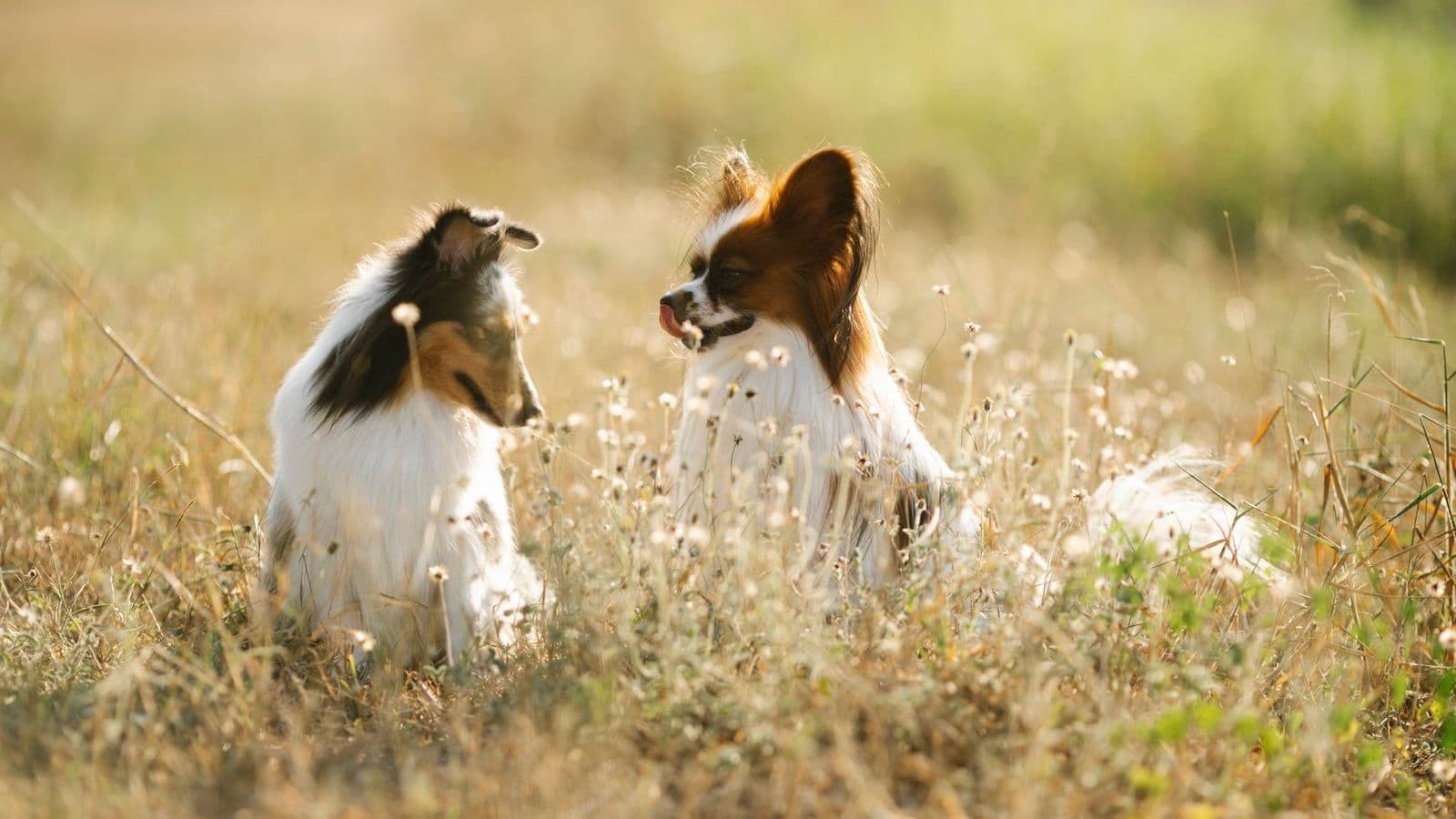
The Papillon is the smartest toy breed, ranked eighth among all dogs for working intelligence, and a genuine joy to train. The catch is that its tiny, elegant frame hides a quick, athletic, demanding brain, and owners who treat it like a decorative lapdog get a bored, mischievous, noisy little dog instead. Almost every Papillon problem comes from underestimating that mind or that energy. Here are the five mistakes that cause the most trouble, and what to do instead.
1. Underestimating the intelligence
A Papillon with nothing to think about invents its own entertainment, and the version it picks is usually mischief, counter-surfing, or compulsive barking. Owners charmed by the looks forget the brain underneath. Give it daily mental work, tricks, puzzle toys, shaping games, and beginner agility, and that cleverness turns into delightful, trainable focus rather than nuisance behavior.
2. Treating them as fragile-minded lapdogs
Papillons are bold, athletic, and genuinely capable, and owners who only pamper and carry them deny the dog real engagement. The result is a frustrated, under-fulfilled little athlete. Treat the Papillon as the competitor it is, it excels at agility, obedience, and rally, give it a job and challenges, and you will see how much dog lives inside the small body.
3. Ignoring early barking
The Papillon can be alert and vocal, and unmanaged barking quickly becomes the breed's defining problem in an apartment or family home. Owners who let the early yapping slide reinforce it. Address it from the start: reward quiet, teach a clear "quiet" cue, and manage the triggers before barking becomes a habit. See our barking guide for the full protocol.
4. Rough or careless handling
At just 5 to 10 pounds the Papillon is physically delicate, and rough handling or a bad fall can cause real injury. Owners who forget the size risk hurting the dog. Handle gently, supervise around children and big dogs, and teach safe furniture habits. Remember the contrast: the body is fragile, but the mind is confident and bold, so handle the dog softly while training it like a capable adult.
5. Underestimating the exercise need
The Papillon is far more active than most toys, and a couple of laps around the living room does not cut it. Owners who assume a tiny dog needs almost no exercise end up with a restless, bratty one. Provide 30 to 60 minutes of real activity plus mental work daily, and the breed settles into a calm, charming companion.
What works with Papillons
Leverage the intelligence with mental work and tricks, treat them as the capable athletes they are, manage barking early, handle gently, and provide real exercise. The common thread is respecting a brilliant athlete in a tiny package: feed the mind, channel the energy, and protect the body, and the Papillon becomes a dazzling, devoted companion that routinely outshines breeds many times its size.
TailorPup's Papillon plan front-loads mental work and tricks, schedules adequate exercise, includes a barking protocol, and channels the breed's brilliance.
Start your Papillon's plan at tailorpup.com →
Related: How to Train a Papillon · Recall Training · Barking Solutions