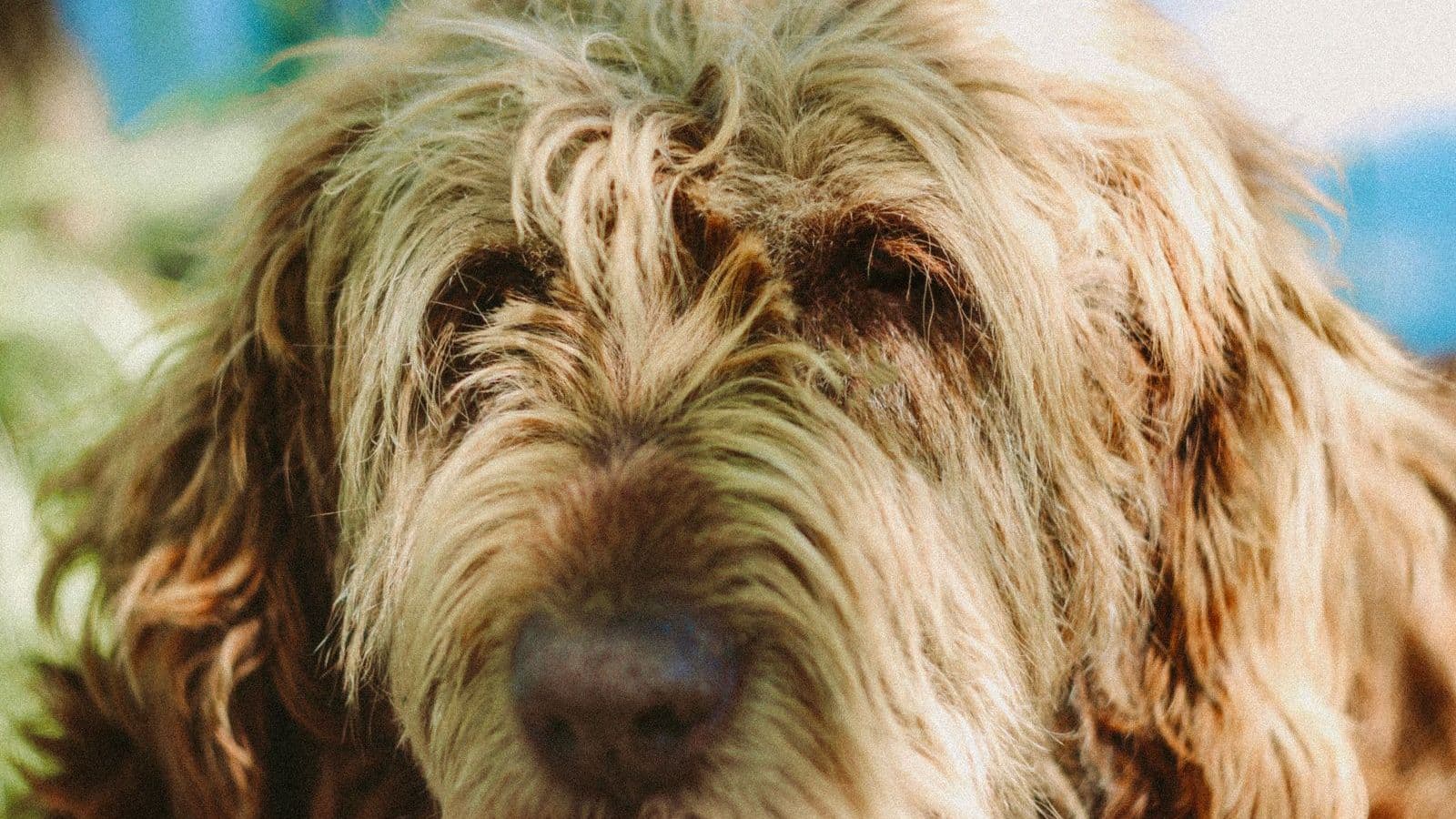
The Otterhound is one of the rarest breeds in the world, a massive, shaggy, boisterous, nose-governed scent hound bred to hunt otter in water and on land. It is friendly and good-humored, but it is run almost entirely by its nose, its voice, and its love of water. Most training problems come from treating a houndy hound as if it were a biddable companion. Here are the five mistakes that cause the most trouble, and what to do instead.
1. Going off-leash in unfenced areas
The Otterhound's nose governs it, and a scent-triggered departure is not a possibility but a certainty: once it picks up a trail, your recall ceases to exist. Owners who trust open ground lose the dog. Use securely fenced areas only for off-leash freedom, build recall on a long line, and accept that a working nose will always win against a cue outdoors.
2. Acquiring one without understanding the bay
The Otterhound's bay is enormous, deep, and carries for a remarkable distance, and owners unprepared for the sheer volume are caught off guard, especially in close housing. The voice is genetic, not a fault. Prepare to manage it from puppyhood with exercise, mental work, and a "quiet" cue, and accept that this is a loud breed by design.
3. Repetitive obedience drilling
The Otterhound is independent and disengages from boredom fast, switching off when sessions become dull, repetitive drills. Owners who repeat the same exercise lose the dog's attention entirely. Keep training novel, brief, and genuinely rewarding, end while the dog is still interested, and it stays willing.
4. Under-exercising
This is a large working hound with real stamina, and an under-exercised Otterhound becomes destructive, loud, and hard to settle. Owners who provide only short walks are quickly overwhelmed. Give it vigorous daily activity plus sniffing time and ideally access to water, and the same dog is famously laid-back at home.
5. Fighting the water obsession
Otterhounds love water and will plunge into any pond, puddle, or river they find, and owners who try to forbid it everywhere fight a losing battle. Rather than suppressing the instinct, manage it: teach a cue for when swimming is allowed, provide safe water access, and channel the love of water into exercise and fun.
What works with Otterhounds
Keep off-leash to fenced areas, manage the bay realistically, keep training short and novel, exercise the dog well, and channel the love of water. What ties these together is respecting a nose-governed, big-voiced pack hound: fenced-only off-leash work, early bay management, novel brief training, and channeling the water love are the foundation. None of it reflects a difficult temperament, the Otterhound is simply houndy, so patience and good humor produce an affectionate, joyful companion.
TailorPup's Otterhound plan accounts for the nose-governed independence and the bay of a rare scent hound.
Start your Otterhound's plan at tailorpup.com →
Related: How to Train an Otterhound · Recall Training · Barking Solutions · Puppy Training Basics