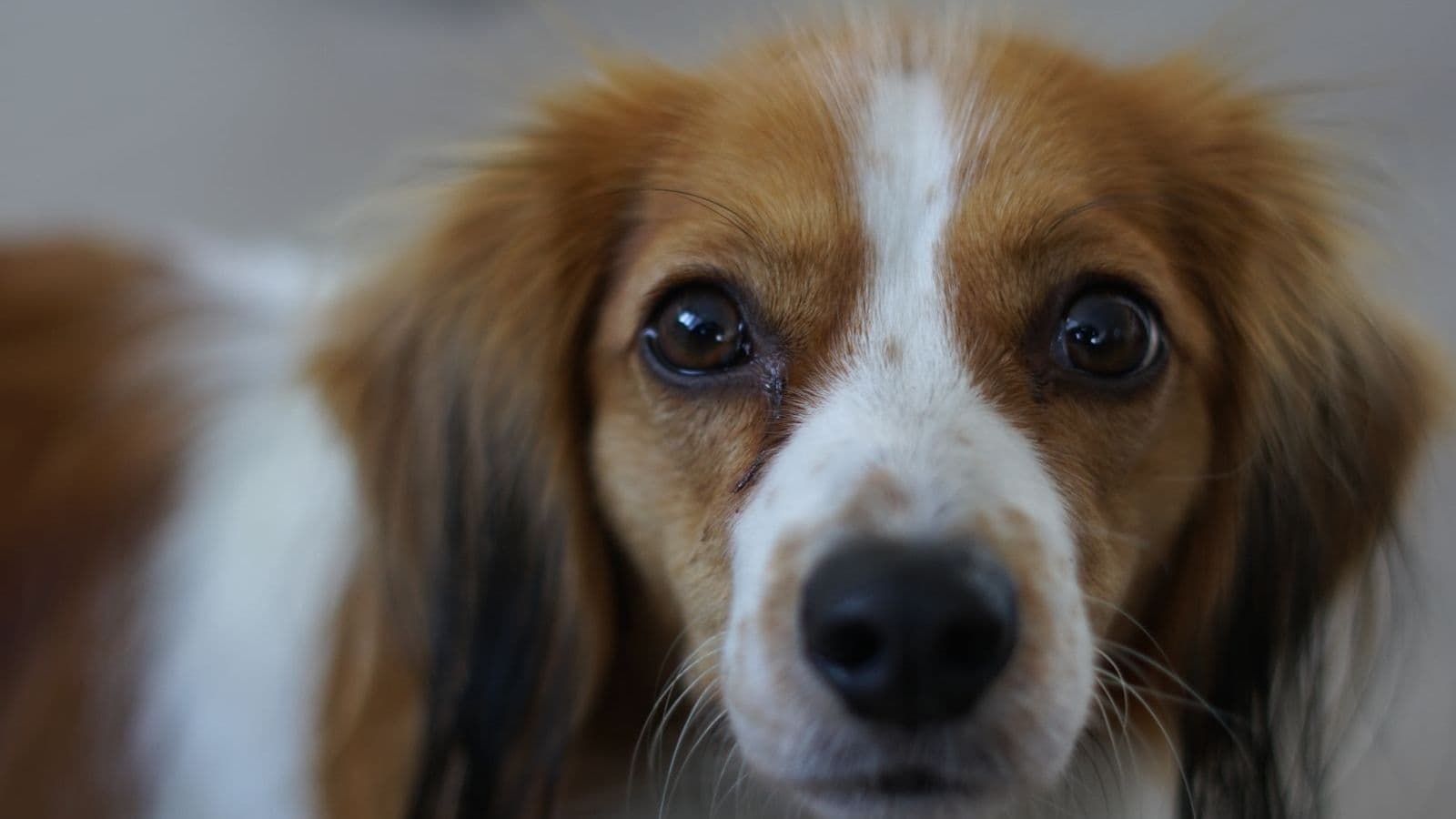
The Kooikerhondje is a sensitive, selectively social Dutch sporting dog, originally a "decoy dog" that lured ducks into traps with its waving tail. It is clever and devoted to its own people but reserved and assessing with strangers, and it does not handle pressure well. Most training problems come from pushing a sensitive dog or misreading its reserve. Here are the five mistakes that cause the most trouble, and what to do instead.
1. Forcing socialization
The Kooiker is naturally cautious, and a dog pushed into interactions it is not ready for becomes more fearful, not bolder. Owners who insist on greetings with a reluctant dog make the next encounter worse. Let it observe and approach on its own terms, reward calm and brave choices, and never force contact; voluntary socialization is the only kind that builds confidence here.
2. Using any pressure-based methods
The breed's sensitivity means even mild pressure or a frustrated tone produces a shut-down, anxious dog rather than learning. Owners who push get the opposite of cooperation. Use reward-based training only, keep sessions short, gentle, and upbeat, and let the Kooiker choose to participate.
3. Ignoring alert barking
The Kooiker has a real watchdog streak and will alert-bark, and unmanaged that becomes a fixed habit. Owners who indulge the early barking end up with a noisy dog. Install a "quiet" cue from puppyhood, manage the triggers, and reward calm before the habit establishes.
4. Under-stimulation
This is an intelligent sporting dog that needs daily mental and physical work, and a bored Kooiker becomes anxious and mischievous. Owners who treat it as a calm companion miss its needs. Provide proper exercise plus training and especially nose work, which suits the breed beautifully, and the same dog settles happily, since a Kooiker that gets to use its clever nose is calm, focused, and easy to live with.
5. Expecting immediate friendliness with strangers
The Kooiker assesses new people before it warms up, and owners who expect instant friendliness, or who force the issue, create stress. Respect the process: let the dog take its time, never push greetings, and reward calm observation. The warmth comes once the dog has decided you are safe.
What works with Kooikerhondjes
Let socialization be voluntary, train gently, manage barking early, provide nose work and exercise, and respect the natural reserve. Underlying all of it is respecting a sensitive, selective dog: the Kooiker assesses before it warms up and shuts down under pressure, so voluntary socialization, gentle reward-based training, and early bark management are what build a confident adult. Let the dog approach on its own terms, and the devoted, clever companion underneath appears.
TailorPup's Kooikerhondje plan respects the breed's sensitivity and selective sociability from session one.
Start your Kooikerhondje's plan at tailorpup.com →
Related: How to Train a Kooikerhondje · Barking Solutions · Recall Training · Puppy Training Basics