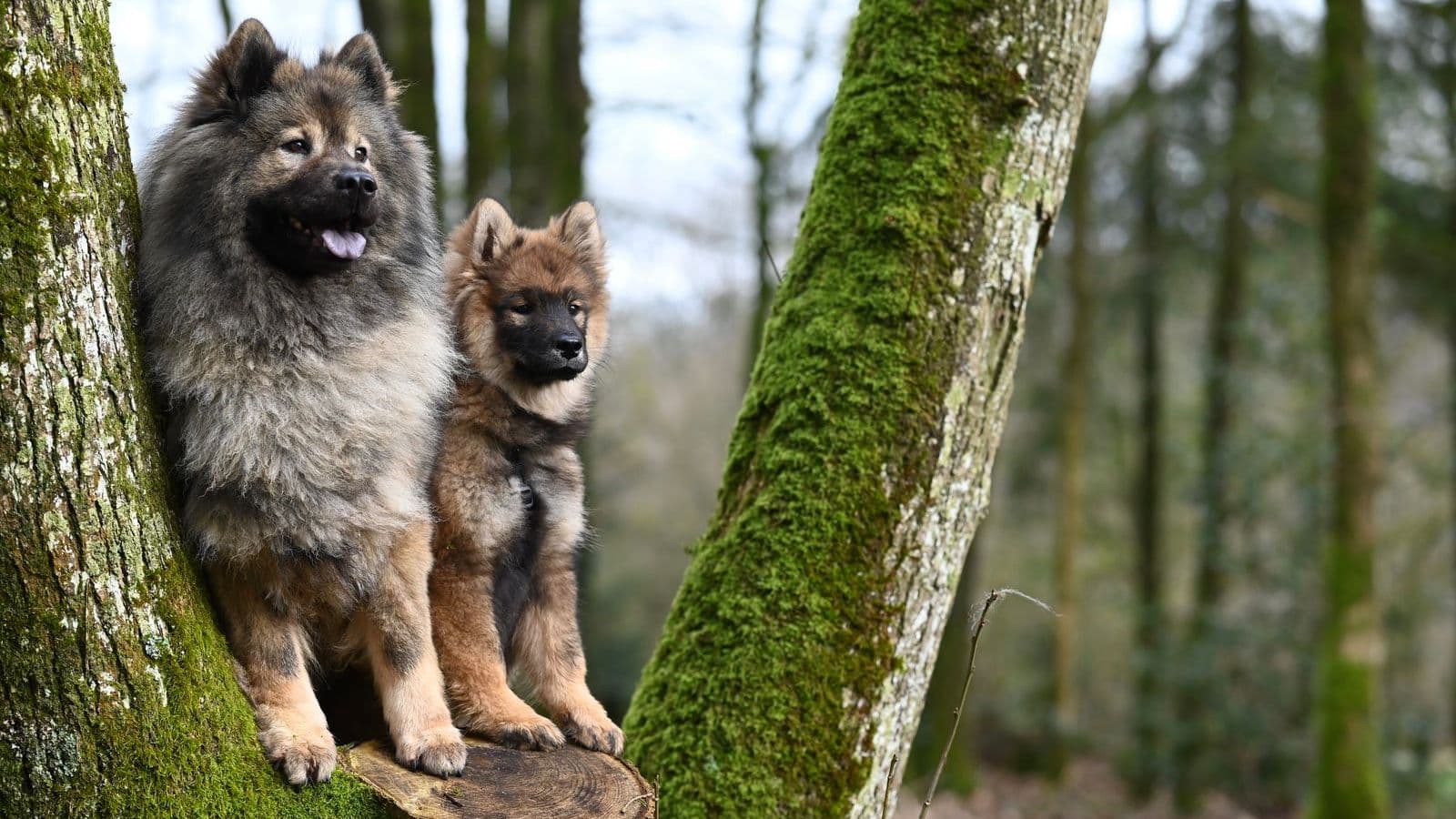
The Eurasier is a modern spitz purpose-bred in Germany as a calm, balanced family companion, blending Keeshond, Chow Chow, and Samoyed into a dog that is devoted to its own people and naturally reserved with strangers. That gentle, family-first temperament is the whole point of the breed, and most training trouble comes from expecting a driven working dog or from mishandling the inborn reserve. Here are the five mistakes that cause the most trouble, and what to do instead.
1. Expecting high-drive eagerness
The Eurasier is responsive and intelligent but it is not a high-octane working dog, and owners who want Border Collie intensity feel let down by its calm, measured style. That mismatch breeds frustration on both ends. Set realistic expectations, appreciate the breed for its steadiness, and train with gentle, rewarding sessions suited to a thoughtful companion rather than a performance athlete.
2. Forcing interaction with strangers
The reserve toward strangers is a defining breed trait, not a fault, and owners who push the dog to greet or be handled by new people trigger withdrawal and erode trust. Forcing it backfires every time. Let the Eurasier warm up at its own pace, allow new people to ignore the dog until it approaches, and respect the natural caution rather than overriding it.
3. Training only with strangers or outside the family
The Eurasier's deep family orientation means it works best for the people it bonds to, and training that happens only with outsiders or in unfamiliar settings misses the breed's motivation. The dog simply engages less. Center the primary training on family members first, build the relationship at home, and let that bond carry over into other contexts gradually.
4. Under-socializing the puppy
A reserved breed needs broad, positive early exposure to keep that reserve appropriate rather than tipping into fearfulness, and owners who shelter the puppy assume the caution is fixed and harmless. It can curdle into anxiety. Socialize widely and gently during the puppy window, introducing new people, dogs, and places calmly, so the adult Eurasier stays balanced and confident.
5. Pressured, heavy-handed training
The Eurasier is sensitive and shuts down under pressure, harsh corrections, or repetitive drilling, and owners who push hard get a withdrawn, uncooperative dog. The breed cannot absorb that style. Keep sessions short, positive, and reward-based, end while the dog is still engaged, and let cooperation grow from trust rather than force.
What works with Eurasiers
Set realistic expectations, respect the reserve, train within the family first, socialize broadly, and keep sessions positive. The common thread is realistic expectations and respect for the breed's reserve: the Eurasier is a calm, family-first companion, not a high-drive performer, so warm reward-based training at home and patient socialization that lets the dog set the pace produce the balanced dog it was designed to be. Pressure and forced greetings only push it away.
TailorPup's Eurasier plan respects the breed's family-first orientation and gentle, reserved temperament.
Start your Eurasier's plan at tailorpup.com →
Related: How to Train a Eurasier · Barking Solutions · Puppy Training Basics