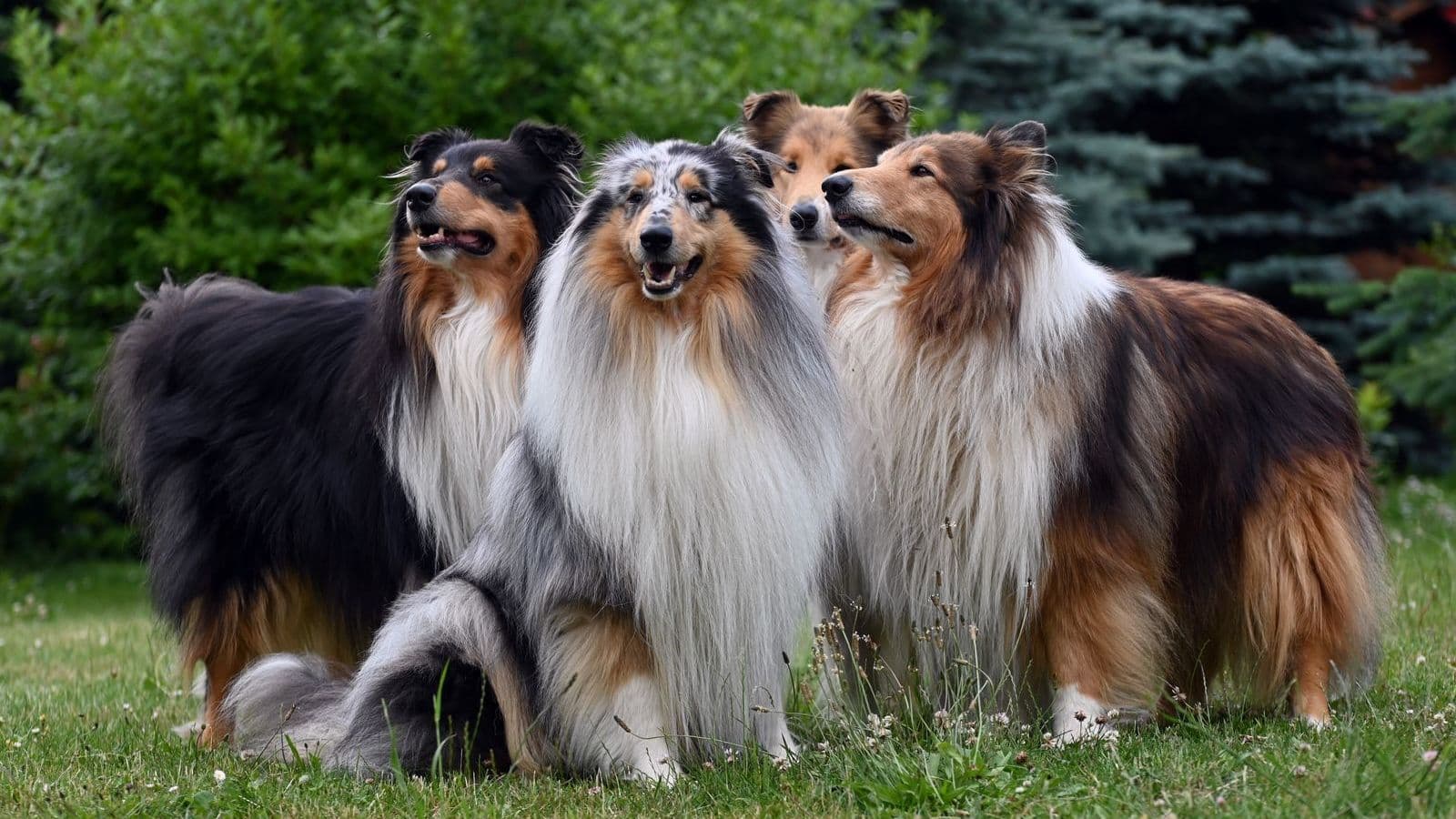
The Collie is a gentle, brilliant, eager-to-please herding dog, the famous Lassie breed, and one of the easiest dogs to train when its two defining traits are respected. It learns quickly and bonds deeply, but it is naturally vocal and exceptionally sensitive, and most training trouble comes from those two qualities rather than from any difficulty in the dog. Almost every Collie problem traces back to barking or to handling a soft dog too harshly. Here are the six mistakes that cause the most trouble, and what to do instead.
1. Ignoring barking
The Collie's herding heritage made it vocal, and it alert-barks and barks while excited, with the habit setting fast if unmanaged. This is the breed's single most common complaint. Address it from week one: reward quiet, teach a "quiet" cue, manage triggers, and never reward demand or excitement barking, shaping the vocal tendency before it becomes a fixed, constant habit.
2. Harsh handling
Collies are exceptionally sensitive and shut down under corrections, sometimes becoming genuinely timid. Owners who try to be firm damage a soft-hearted dog fast. Reward-based training is essential and produces a confident, happy Collie, so keep your tone warm and encouraging, make cooperation rewarding, and never use harshness on a breed this emotionally delicate.
3. Under-using their intelligence
Collies are brilliant and need real mental work, and a bored one barks and frets. Owners who provide only physical exercise leave the clever mind unoccupied. Provide agility, trick training, and scent games, give the breed genuine mental challenge, and the same dog stays calm and content, because the intelligence thrives on having a real job to do.
4. Skipping confidence-building
Some Collies are naturally timid, and without gentle socialization and confidence-building that shyness hardens into fearfulness. Owners who ignore it, or worse, flood a shy dog, make it worse. Build confidence at the dog's own pace with rewards, introduce new things gradually and positively, and never overwhelm a timid Collie, so the natural softness stays balanced rather than fearful.
5. Suppressing the herding drive
Collies may herd children or chase movement, and owners who punish this create frustration without removing the instinct. The drive needs an outlet, not suppression. Channel it into appropriate games or activities, redirect the herding from the first occurrence, and reward calm, so the instinct has a constructive place to go rather than becoming a source of conflict.
6. Providing insufficient exercise
The athletic Collie needs 60 minutes of activity daily plus mental work, and an under-exercised one barks and develops neurotic behaviors. Owners who treat the gentle dog as low-energy are caught out. Provide real daily exercise plus brain work, and the same dog is settled and easy, because the working stamina has to be met to keep the sensitive mind balanced.
What works with Collies
Address barking early, use gentle methods, engage the brilliant mind, build confidence in timid dogs, channel the herding drive, and provide real exercise. The common thread is honoring a gentle, sensitive, brilliant herder: manage the voice, go gently, and feed the mind, and the Collie is a devoted, gentle, brilliant companion whose Lassie reputation is well-earned.
TailorPup's Collie plan includes a barking protocol, front-loads gentle confidence-building, channels the herding drive, and leverages the breed's brilliance.
Start your Collie's plan at tailorpup.com →
Related: How to Train a Collie · Barking Solutions · Recall Training