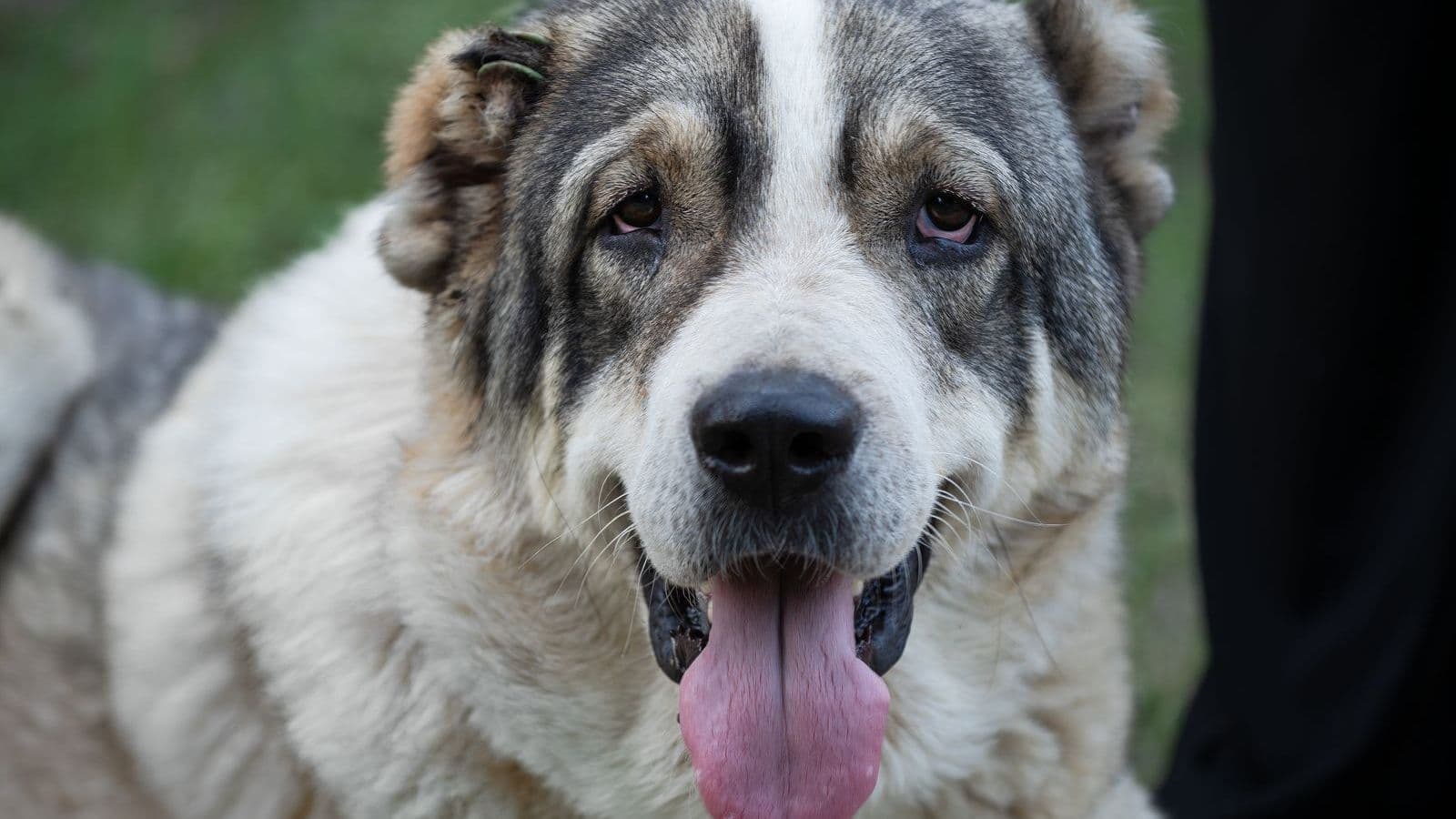
The Central Asian Shepherd, or Alabai, is among the oldest livestock guardians on earth, selected for some 4,000 years to protect flocks independently across the steppes with no human direction. That ancient autonomy, combined with a massive size, makes it a formidable guardian and a serious responsibility suited only to experienced, prepared owners. Almost every Alabai problem comes from treating an autonomous giant guardian like an ordinary large pet. Here are the five mistakes that cause the most trouble, and what to do instead.
1. Treating it like a companion dog
The Alabai's guardian psychology and sheer size require management protocols that ordinary pet ownership simply does not involve, and owners who expect a large companion are unprepared. This is not a big family dog. Understand before committing that the breed needs containment, visitor protocols, and structure built around a working guardian's instincts, and meet it on those terms rather than as a pet.
2. Delaying training past puppyhood
The Alabai puppy is manageable, but the 90 kilogram adult is not without a solid foundation, and owners who put off training find themselves unable to handle the grown dog. The window matters enormously. Install basic manners and leash skills while the dog is still small enough to guide, and keep reinforcing them steadily, because foundations are far harder to build on a full-grown guardian.
3. Providing inadequate facilities
Secure perimeter fencing and genuine space are not optional for a Central Asian Shepherd, and owners who lack them face a roaming, uncontainable guardian. Many regions also regulate giant guardian breeds. Provide robust containment and adequate space, research local laws on giant breeds before acquiring one, and treat the facilities as a prerequisite rather than something to sort out later.
4. Having no visitor protocol
At the Alabai's size and protectiveness, no unsupervised stranger interaction is safe, and owners without a plan for guests are courting a serious incident. The guardian instinct does not pause for visitors. Develop and practise a clear visitor management routine, control introductions deliberately, and never leave the dog with strangers unsupervised, making structured guest handling a permanent part of ownership.
5. Expecting eager compliance
The Alabai does not defer to humans by default, having been bred to make its own protective decisions, and owners who expect prompt obedience read its independence as defiance. The breed simply does not work that way. Build compliance through a consistent, calm, positive relationship, value cooperation over control, and earn the dog's respect rather than demanding automatic deference.
What works with Central Asian Shepherds
Respect the guardian psychology, train early, contain securely, manage visitors, and build compliance through relationship. The common thread is respect for four thousand years of autonomy: the Alabai was bred to protect without humans, so the owner builds cooperation through relationship and clear structure rather than demanding deference. Provide the containment, the socialization, and the calm leadership early, and this ancient guardian becomes a steady, reliable protector.
TailorPup's Central Asian Shepherd plan front-loads size-management and socialization for experienced owners of this ancient breed.
Start your Central Asian Shepherd's plan at tailorpup.com →
Related: How to Train a Central Asian Shepherd · Leash Pulling · Puppy Training Basics