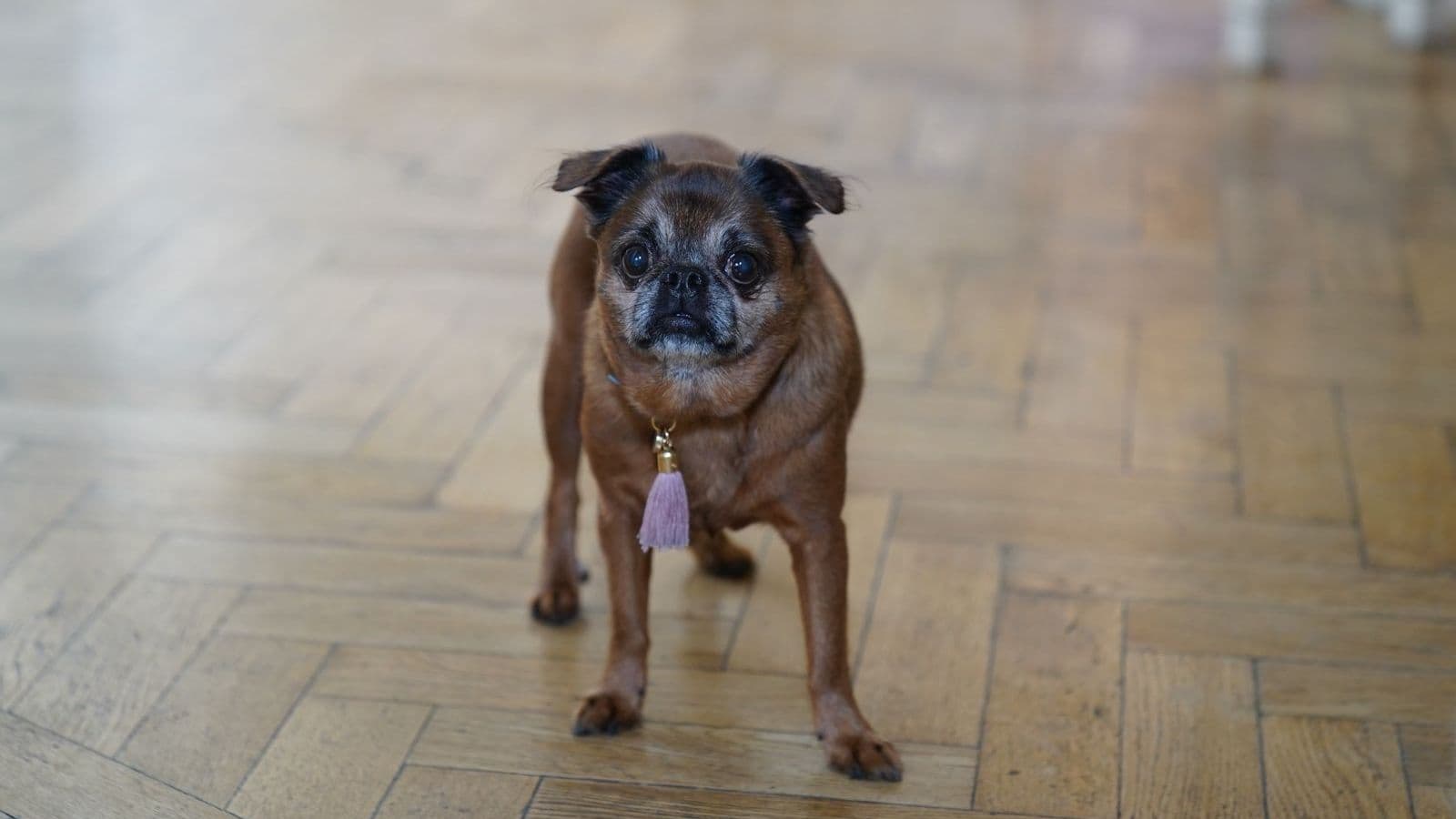
The Brussels Griffon is an exceptionally sensitive, almost human-attuned little companion, famous for its expressive, near-human face and its velcro attachment to its person. That intense bonding and emotional sensitivity are behind almost every training problem. Owners who provide gentle structure and prepare the dog for alone-time thrive; those who over-coddle or handle harshly struggle. Here are the five mistakes that cause the most trouble, and what to do instead.
1. Skipping independence training
The Griffon bonds so closely that, without deliberate alone-time training, it readily develops genuine separation anxiety, panicking, barking, and soiling when left. Owners who keep the puppy constantly in their arms create the very problem they dread. From day one, build short, calm absences and a positive association with being alone. This is the single most important thing you can do for a Griffon.
2. Harsh handling or household tension
The Griffon mirrors human emotion intensely and is genuinely distressed not only by harsh corrections but by tension and conflict in the home. Owners who train with frustration, or argue around the dog, get an anxious, shut-down companion. Keep everything calm and gentle, use reward-based methods only, and remember that your mood is part of the training environment.
3. Long daily isolation
As a true companion breed, the Griffon does not cope with being left alone for long workdays, and solitude feeds its separation tendencies. Owners who leave it solo all day end up with a distressed, vocal dog. Be realistic before getting one: arrange companionship, breaks, or daycare so the Griffon is not isolated for long stretches.
4. Giving up on house training
The Griffon's tiny bladder means house training takes patience, often four to six months, and owners expecting fast results sometimes decide the dog "can't be trained." It can. Run a strict schedule, reward success the instant it finishes, never punish accidents, and use indoor pads as a practical backup. Consistency, not correction, is what gets there.
5. Over-pampering without structure
Because the Griffon is small and adorable, owners often shower it with cuddles but never set boundaries, which produces a demanding, anxious little dog. The breed actually feels safer with gentle structure. Ask for simple manners, reward calm behavior, and provide predictable rules; affection plus structure produces a confident Griffon, affection alone does not.
What works with Brussels Griffons
Front-load independence training, keep handling and the household calm, avoid long isolation, stay patient with house training, and pair affection with gentle structure. The throughline is honoring an intensely bonded, sensitive companion: meet its emotional needs while still giving it rules, and the Brussels Griffon is a devoted, charming, wonderfully expressive companion.
TailorPup's Griffon plan front-loads independence training, uses gentle methods, builds in gentle structure, and includes a house-training protocol.
Start your Brussels Griffon's plan at tailorpup.com →
Related: How to Train a Brussels Griffon · Recall Training · Puppy Training Basics