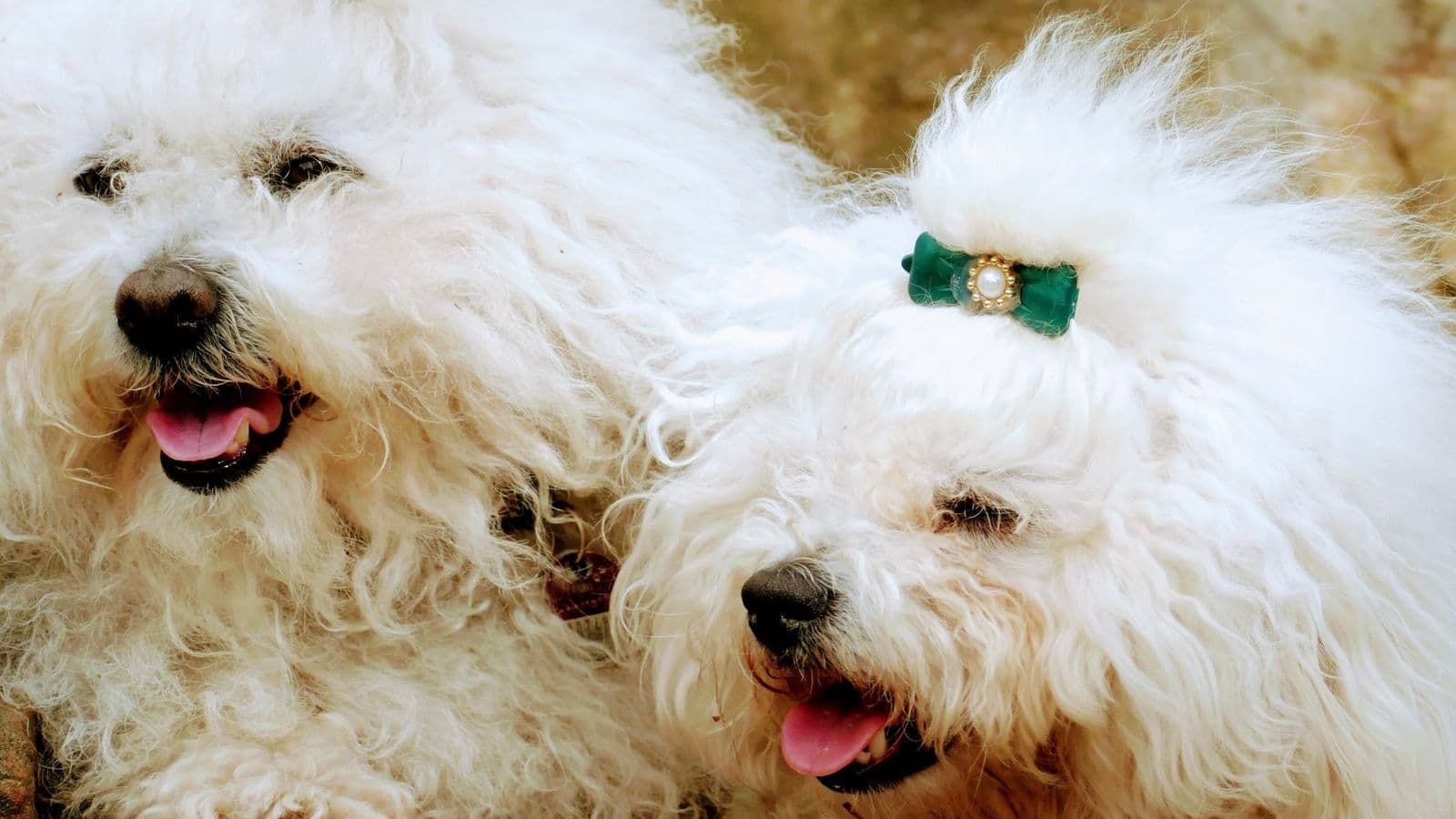
The Bolognese is a serene, white, intensely devoted Italian companion breed, bred for centuries to be a constant lap companion. That devotion is its great charm and the source of its single biggest training risk: among all breeds, the Bolognese is one of the most prone to separation anxiety. Almost every problem traces back to that attachment, or to over-coddling a small dog. Here are the five mistakes that cause the most trouble, and what to do instead.
1. Never leaving the dog alone
A Bolognese that is never taught to be alone develops genuine, severe separation anxiety, panicking, barking, and soiling when finally left. Owners who keep the puppy constantly with them create the very problem they dread. Build independence from day one with short, calm absences and a positive association with alone-time; this is the single most important investment you can make.
2. Carrying it everywhere
A Bolognese carried everywhere never develops confidence, normal behavior, or leash manners, and learns the world is something to be protected from. Owners who scoop it up at every turn make the dog more anxious, not safer. Let it walk on its own four feet, explore, and meet the world from the ground, rewarding calm, brave behavior.
3. Reinforcing demand barking
The Bolognese is clever and will quickly learn that barking gets attention, food, or a lap, and every rewarded demand strengthens the habit. Owners who give in reinforce it hard. Never reward the demand bark: wait for quiet, reward calm, and the attention-seeking fades.
4. Treating it as too calm to train
The Bolognese is gentle and quiet, which leads owners to assume it does not need training, missing that it is intelligent and food-motivated. A bored Bolognese becomes anxious and barky. Engage the quiet mind with trick training, nose work, and short skill sessions; the breed genuinely enjoys learning and is calmer for it.
5. Skipping socialization
Even a calm companion breed needs broad early exposure to people, places, and sounds to stay confident, and an under-socialized Bolognese becomes timid and clingy. Owners who assume a lap dog needs little exposure create a fearful adult. Socialize broadly and positively during the puppy window so the breed grows up secure.
What works with Bologneses
Build independence early, let the dog walk, ignore demand barking, engage the bright mind, and socialize broadly. What ties these together is preventing the separation anxiety the breed is so prone to: alone-time conditioning from day one is the single most important investment, alongside letting the dog walk, ignoring demand barking, and engaging its quiet intelligence. Build independence early, and the clingy, anxious reputation never materializes.
TailorPup's Bolognese plan front-loads independence training to prevent the separation anxiety the breed is prone to.
Start your Bolognese's plan at tailorpup.com →
Related: How to Train a Bolognese · Barking Solutions · Puppy Training Basics