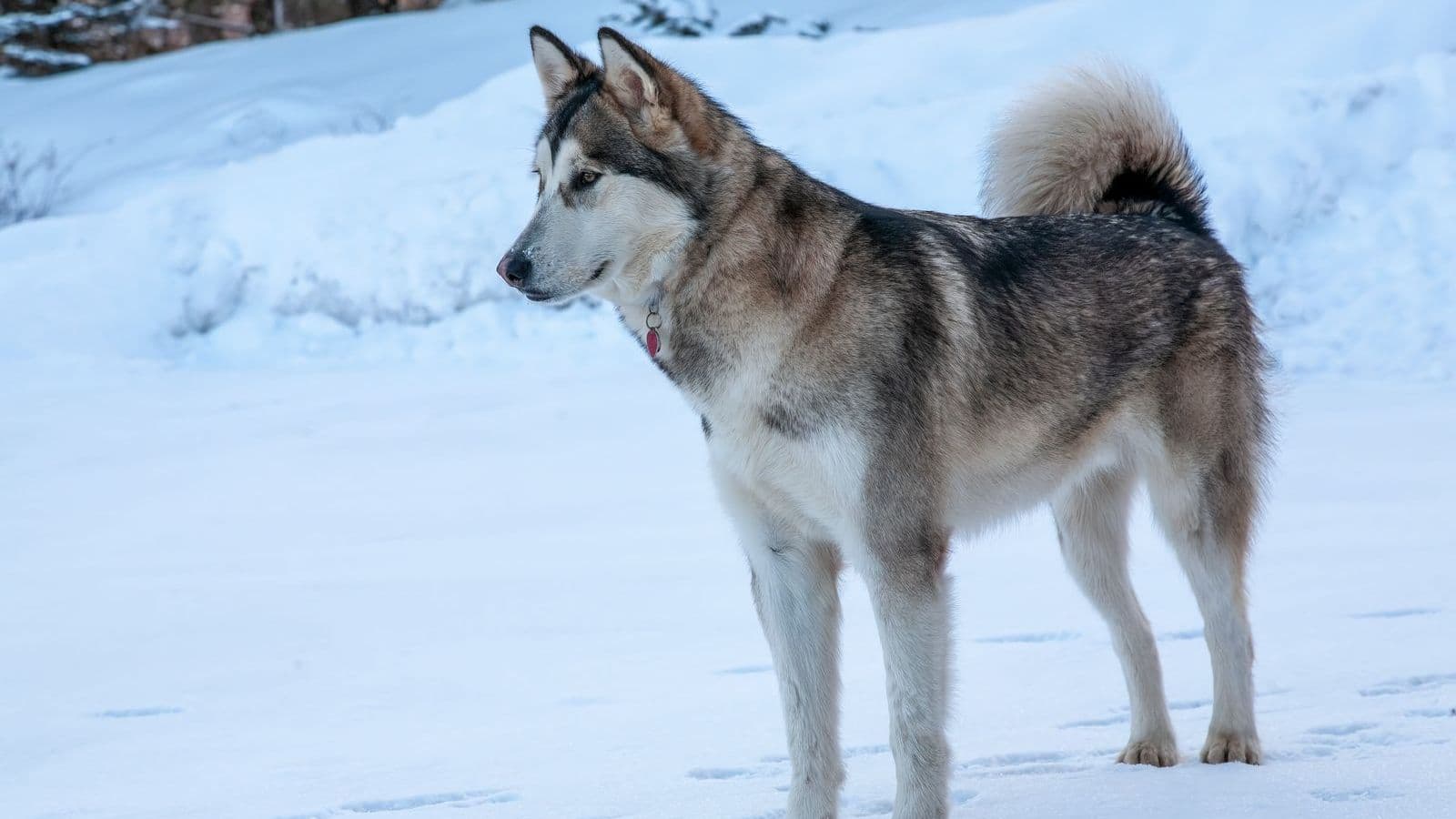
The Alaskan Malamute is a powerful, independent Arctic sled dog bred to haul heavy freight over long distances in brutal cold, and it kept the strength, stamina, and self-direction the work demanded. It is friendly and affectionate, but it is not biddable, and most training trouble comes from expecting an obedient companion instead of a strong-willed working spitz. Here are the six mistakes that cause the most trouble, and what to do instead.
1. Expecting obedience-breed compliance
The independent Malamute was bred to pull and make its own decisions on the trail, and it evaluates requests rather than obeying reflexively. Owners expecting prompt obedience read this as defiance. Use high-value rewards and adjust your expectations dramatically, because the Malamute will never be highly obedient, and cooperation comes through motivation and relationship, not authority.
2. Trusting off-leash or using weak fencing
The Malamute's independence plus prey drive make recall genuinely unreliable, and the breed roams, digs, and escapes with remarkable determination. Owners who trust open ground or a low fence lose the dog. Secure, tall fencing with dig protection and long lines are essential, because a loose Malamute follows its nose and prey drive far beyond reach.
3. Underestimating the exercise need
Bred to haul freight all day, Malamutes need one to two or more hours of exercise plus a real job, and an under-exercised one is hugely destructive. Owners who picture a calm housedog are overwhelmed. Provide substantial daily exercise and channel the pull drive into work like carting or sledding, and the same dog becomes far calmer and more manageable at home.
4. Exercising in the heat
The Malamute's heavy Arctic coat creates serious overheating risk, and owners who exercise it in warm weather endanger the dog. The coat built for the cold works against it in summer. Exercise only in cool conditions, provide shade and water, watch for heavy panting, and never push a heavy-coated Arctic breed in heat or humidity.
5. Ignoring same-sex dog reactivity
Many Malamutes do not tolerate same-sex dogs, and owners who assume socialization erases this are caught out at the dog park. The tendency is hard-wired in many individuals. Socialize early, counter-condition, and manage interactions carefully, avoiding risky same-sex pairings rather than hoping for the best. See our reactivity guide.
6. Harsh handling
The independent Malamute resists harshness and meets heavy-handed correction with stubbornness rather than compliance. Owners who try to dominate it invite a standoff. Use high-value reward-based training with realistic expectations, lead with calm consistency, and earn the cooperation of a dog that responds to motivation far better than to force.
What works with Malamutes
Adjust expectations, use secure fencing and long lines, provide substantial exercise and a job, exercise in cool conditions, manage dog reactivity, and use reward-based methods. The common thread is respecting a powerful, independent sled dog: motivate rather than command, contain securely, meet the huge exercise needs, and the Malamute is a friendly, powerful, impressive companion.
TailorPup's Malamute plan uses high-value motivation, treats off-leash as a fenced-only goal, schedules substantial exercise, and channels the pull drive into a job.
Start your Malamute's plan at tailorpup.com →
Related: How to Train an Alaskan Malamute · Recall Training · Reactivity Training