Breed comparison
Shiba Inu
vs Akita.
Both are proud, independent Japanese breeds with a catlike self-possession that surprises owners expecting a typical eager-to-please dog. The Shiba is the smaller, more famously stubborn of the two, willing to loudly voice its displeasure. The Akita is a large, dignified guardian breed with the same independent streak but a calmer, more reserved presence.
Size is the most obvious difference, but the deeper one is intensity: the Akita natural guarding instinct and sheer size raise the stakes of socialization and management well beyond what the smaller, if equally opinionated, Shiba requires.
Quick answer
Choose the Shiba Inu if you want the independence and charm of a primitive breed in a small, manageable body. Choose the Akita if you want the same independent spirit in a large, natural guardian and are ready for the socialization and management that size and instinct demand. Neither is a beginner breed built around eager obedience.
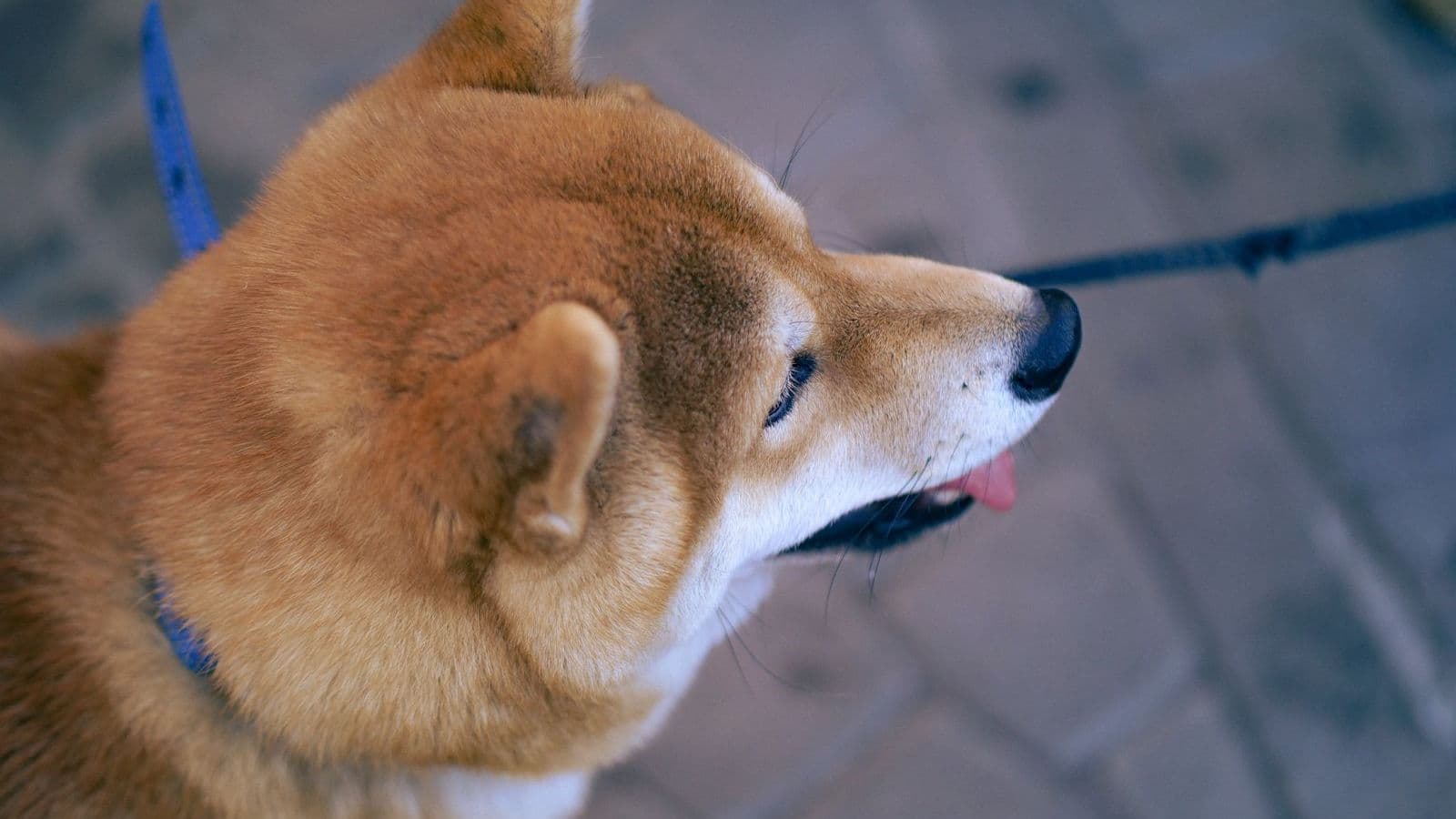
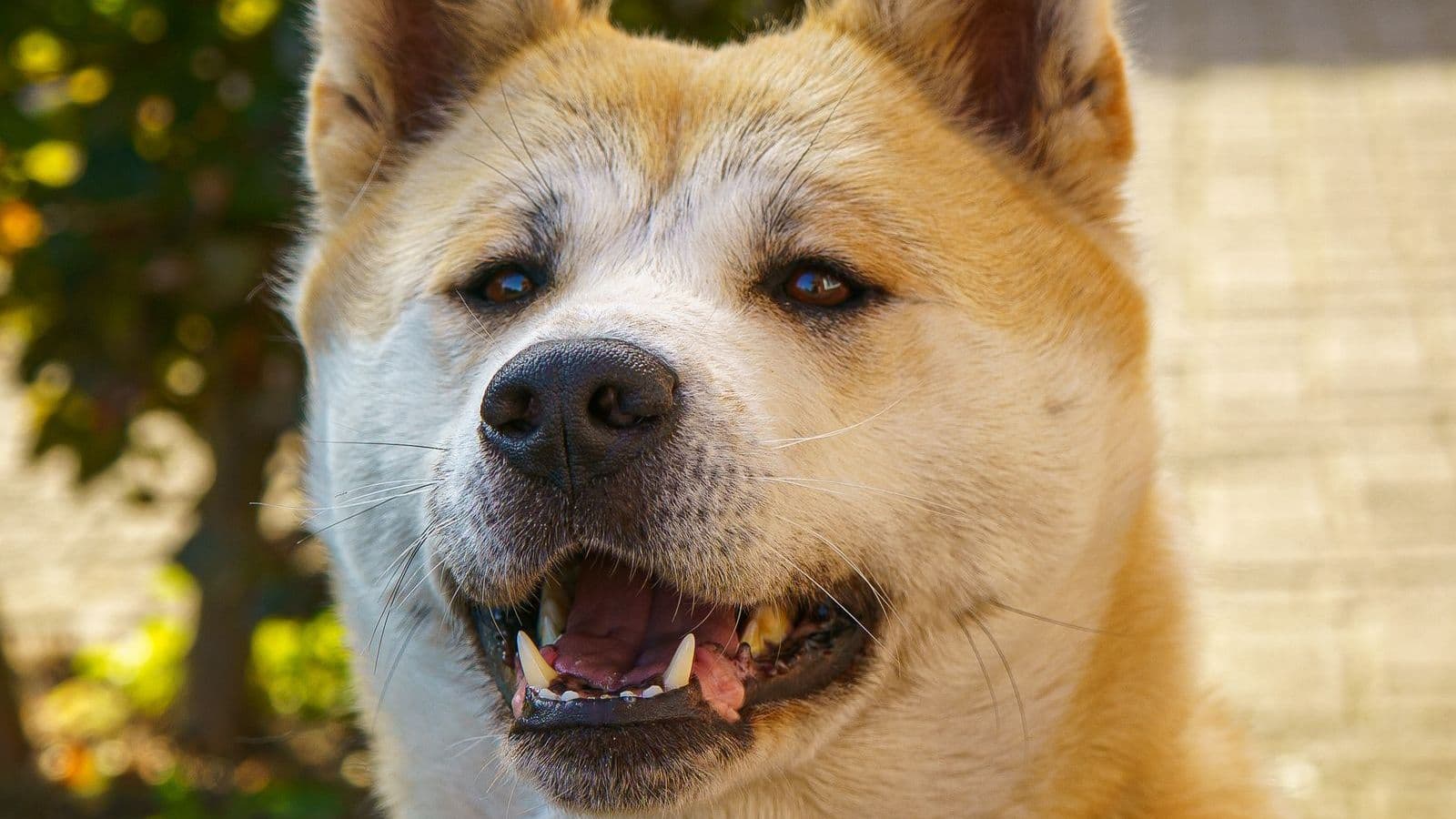
Shiba Inu
- Trainability
- 5/10
- Energy
- High
- Training difficulty
- 78/100
- Group
- Non-Sporting
Akita
- Trainability
- 6/10
- Energy
- Medium
- Training difficulty
- 57/100
- Group
- Working
Scores from the TailorPup Dog Training Difficulty Index.
Key differences
Independence and trainability
The Shiba scores just 5/10 for trainability, it weighs every request and frequently declines, with a strong prey drive that makes off-leash recall genuinely unreliable. The Akita scores a bit higher at 6/10, still independent-minded but slightly more responsive, though far from an eager-to-please breed either.
Size and guarding instinct
The Akita is a large, powerful guardian breed, naturally wary of strangers and often reactive toward unfamiliar dogs, which makes its size and instinct a serious management responsibility. The Shiba is small and primitive but not a natural guardian in the same way, its resistance is more about independence than protectiveness.
Energy
The Shiba runs high energy in a small, agile package, quick bursts and a strong prey drive define its exercise needs. The Akita is medium energy, calmer and more measured, content with moderate daily activity rather than intense bursts.
Vocalization
The Shiba is famous for the dramatic "Shiba scream" when displeased or handled in a way it dislikes, a startling, high-pitched protest. The Akita is generally quieter and more reserved, expressing itself through body language and watchfulness rather than vocal drama.
Which is easier to train?
Both breeds reward clever, motivating, reward-based training and punish harsh handling, given their sensitivity under a tough exterior. The Shiba (5/10) is the more classically stubborn of the two, it will weigh a cue and often decline, so expectations of full off-leash reliability need to be set aside. The Akita (6/10) is a shade more workable but its guarding instinct means socialization, not obedience drills, is the real training priority. Secure containment matters for both; neither has trustworthy off-leash recall.
Which one is right for you?
Choose the Shiba Inu
Owners who want a small, primitive, catlike companion and can accept a strong independent streak, a real prey drive, and expectations set well below typical obedience-breed standards.
Shiba Inu training guide →Shiba Inu training mistakes →Choose the Akita
Experienced owners who want a large, dignified, deeply loyal guardian and are committed to thorough early socialization to manage its natural wariness of strangers and other dogs.
Akita training guide →Akita training mistakes →The verdict
Choose the Shiba Inu if you want the independence and charm of a primitive breed in a small, manageable body. Choose the Akita if you want the same independent spirit in a large, natural guardian and are ready for the socialization and management that size and instinct demand. Neither is a beginner breed built around eager obedience.
Frequently asked questions
Which is more trainable, a Shiba Inu or an Akita?
The Akita is marginally more trainable (6/10 vs the Shiba 5/10), but both are independent-minded breeds that frequently weigh a command and decide whether to follow it. Neither offers the eager responsiveness of a classic obedience breed.
Which is a bigger commitment?
The Akita, mainly because of its size and natural guarding instinct, which demands serious, early, ongoing socialization. The Shiba is smaller and easier to physically manage, though just as independent-minded in temperament.
Are either good for first-time owners?
Neither is ideal for a first dog. Both are independent, primitive breeds that need an owner comfortable with limited off-leash reliability and a dog that thinks for itself rather than automatically deferring to instructions.
Whichever you pick, train it right
TailorPup builds a personalized 12-week program around your dog's exact breed, age, and behavior, no generic one-size plan.
Build my dog's programAlready chose? Start a Shiba Inu plan · Start a Akita plan
More breed comparisons
More: all breed comparisons · training difficulty index · all 240 breed guides