Breed comparison
Bernese Mountain Dog
vs Newfoundland.
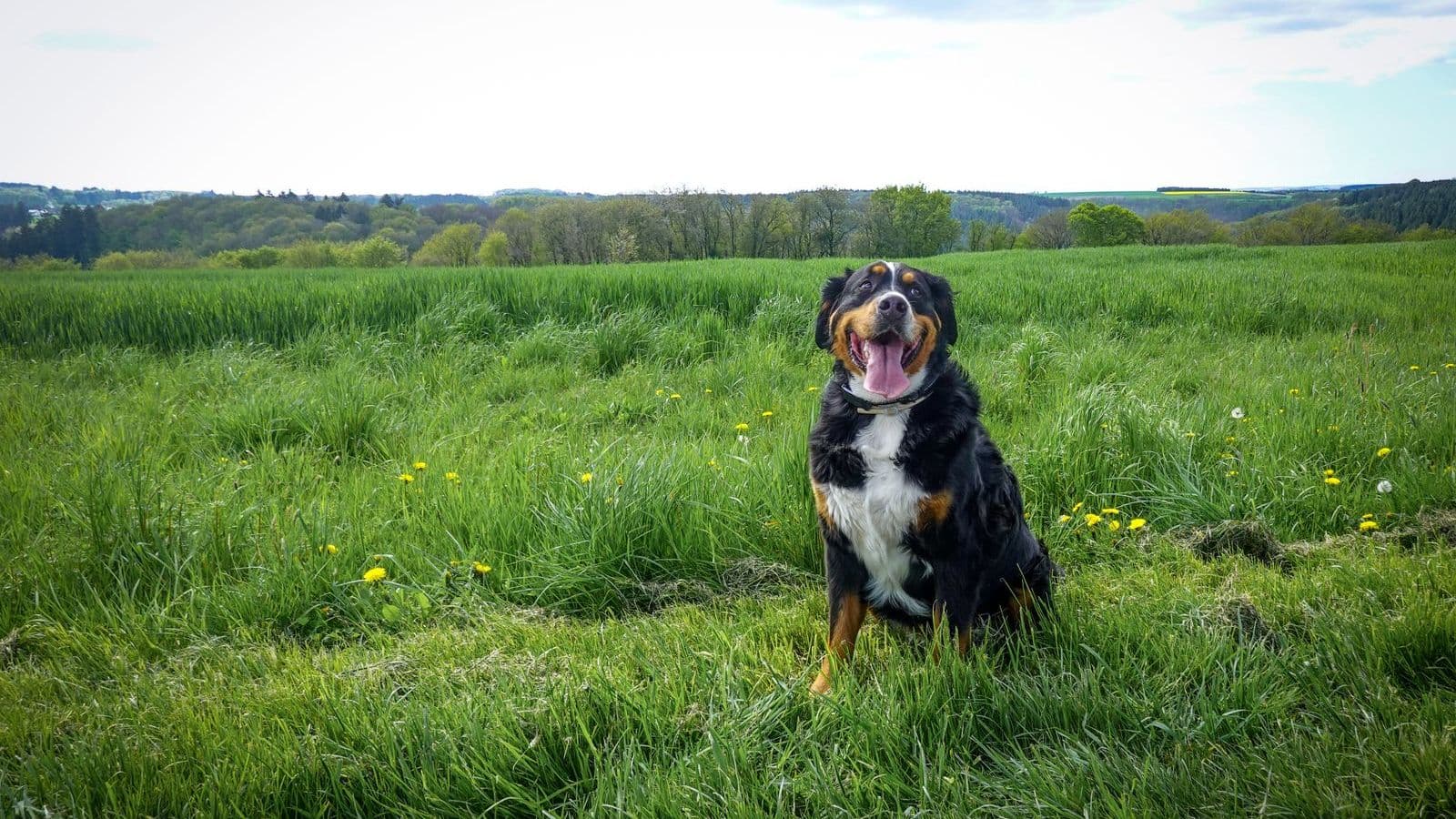
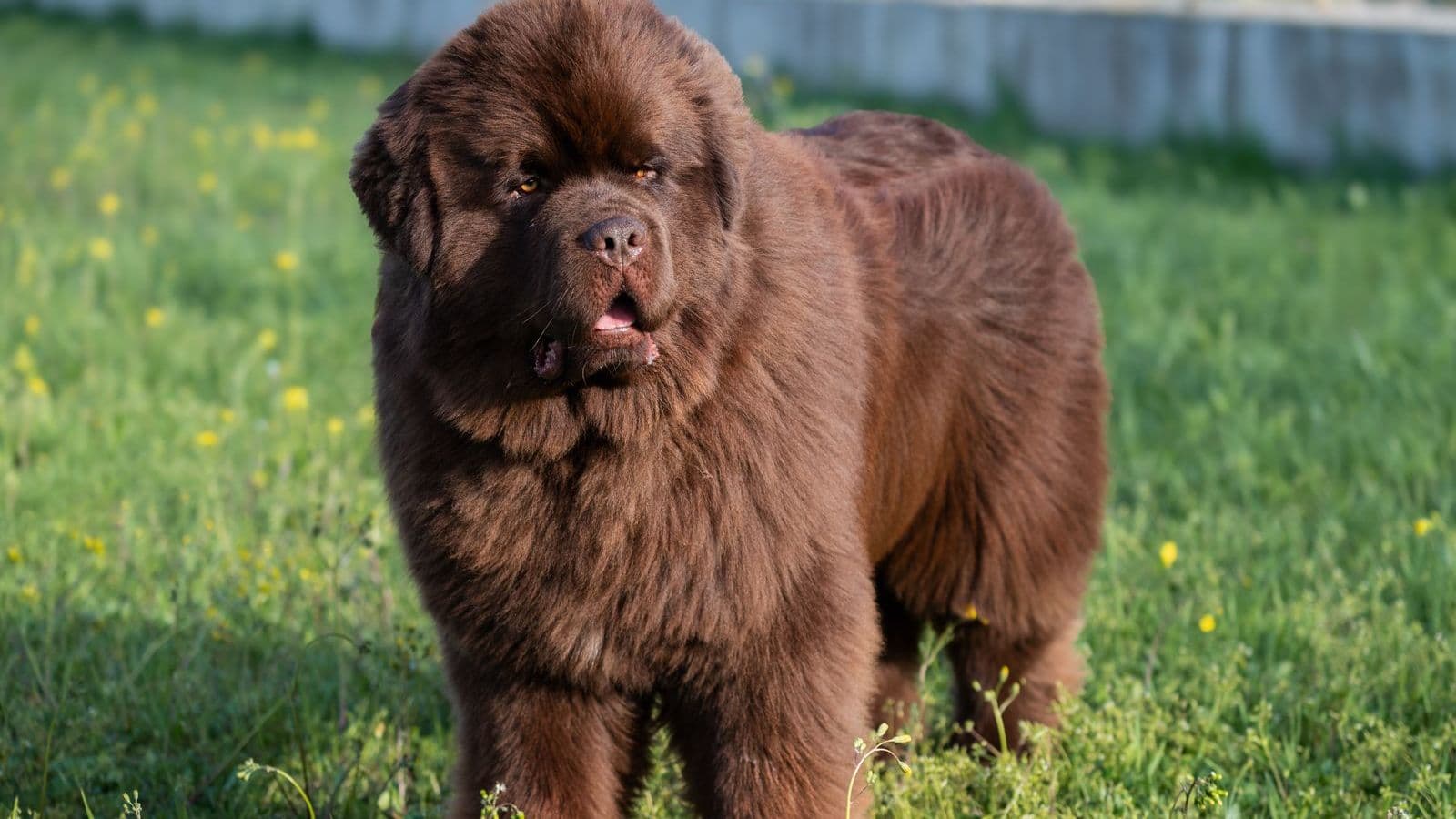
Both are large, thick-coated working breeds with a calm, devoted temperament that has made them beloved family giants despite their size. The Bernese Mountain Dog was bred to haul carts and drive cattle in the Swiss Alps. The Newfoundland was bred to work alongside fishermen, hauling nets and even performing water rescues, and it shows in a slightly different build and coat.
Both score identically for trainability and share a similarly calm temperament, so the real differences are in coat texture, water affinity, and the health realities each breed carries.
Quick answer
Both are gentle, equally trainable giant working breeds suited to calm, spacious households. Choose the Bernese Mountain Dog for its striking tricolor coat and Alpine heritage, being clear-eyed about its shortened average lifespan. Choose the Newfoundland for its water-ready build and slightly steadier health profile. Either way, a health-tested breeder and joint-conscious puppy exercise are essential.
Bernese Mountain Dog
- Trainability
- 8/10
- Energy
- Medium
- Training difficulty
- 33/100
- Group
- Working
Newfoundland
- Trainability
- 8/10
- Energy
- Medium
- Training difficulty
- 33/100
- Group
- Working
Scores from the TailorPup Dog Training Difficulty Index.
Key differences
Coat and water affinity
The Newfoundland has a dense, water-resistant double coat and genuine webbed feet, it is a natural swimmer historically used for water rescue. The Bernese has a longer, silkier tricolor coat suited to cold mountain work rather than water, and needs regular brushing to prevent matting.
Trainability
Both score an identical 8/10, calm, willing, and eager to please, both respond well to patient, reward-based training. Given their size, early leash and impulse-control training matter enormously for both, well before either dog reaches full weight.
Energy
Both run medium energy and are content with a real daily walk rather than intense exercise, closer to steady working stamina than bursts of activity. Puppy exercise must be carefully limited for both to protect developing joints.
Health and lifespan
Both are giant breeds with shortened lifespans and a real bloat risk (gastric dilatation-volvulus). The Bernese carries notably high cancer rates and averages a particularly short lifespan for its size; the Newfoundland is prone to heart conditions and joint issues from its sheer mass. A health-tested breeder is essential for either.
Which is easier to train?
Both breeds are equally trainable at 8/10 and share a calm, willing, food-motivated temperament that responds beautifully to patient, reward-based work, harsh corrections are unnecessary and unwise on a breed this size and this eager to please. The main training priority for both is early manners and impulse control, installed while the dog is still liftable, since size alone becomes the main daily challenge once either breed reaches full weight.
Which one is right for you?
Choose the Bernese Mountain Dog
Families who want a calm, tricolored mountain breed for cooler climates and can accept its shortened lifespan and elevated cancer risk in a health-tested breeder search.
Bernese Mountain Dog training guide →Bernese Mountain Dog training mistakes →Choose the Newfoundland
Families near water or drawn to a natural swimmer with a dense, weatherproof coat, and who can commit to the same giant-breed space, cost, and joint-health considerations.
Newfoundland training guide →Newfoundland training mistakes →The verdict
Both are gentle, equally trainable giant working breeds suited to calm, spacious households. Choose the Bernese Mountain Dog for its striking tricolor coat and Alpine heritage, being clear-eyed about its shortened average lifespan. Choose the Newfoundland for its water-ready build and slightly steadier health profile. Either way, a health-tested breeder and joint-conscious puppy exercise are essential.
Frequently asked questions
Which lives longer, a Bernese Mountain Dog or a Newfoundland?
The Newfoundland generally has a somewhat longer average lifespan than the Bernese Mountain Dog, which carries notably high cancer rates and one of the shorter lifespans among giant breeds. Both benefit enormously from a health-tested breeder.
Which is easier to train?
Both score identically at 8/10 and share a calm, willing, reward-responsive temperament. Neither has a training edge over the other; the difference between them is coat, water affinity, and specific health risks rather than trainability.
Which is better around water?
The Newfoundland, clearly. It has a water-resistant coat and webbed feet, and was historically used for water rescue work. The Bernese Mountain Dog was bred for Alpine cart-hauling and cattle work, not water.
Whichever you pick, train it right
TailorPup builds a personalized 12-week program around your dog's exact breed, age, and behavior, no generic one-size plan.
Build my dog's programAlready chose? Start a Bernese Mountain Dog plan · Start a Newfoundland plan
More breed comparisons
More: all breed comparisons · training difficulty index · all 240 breed guides