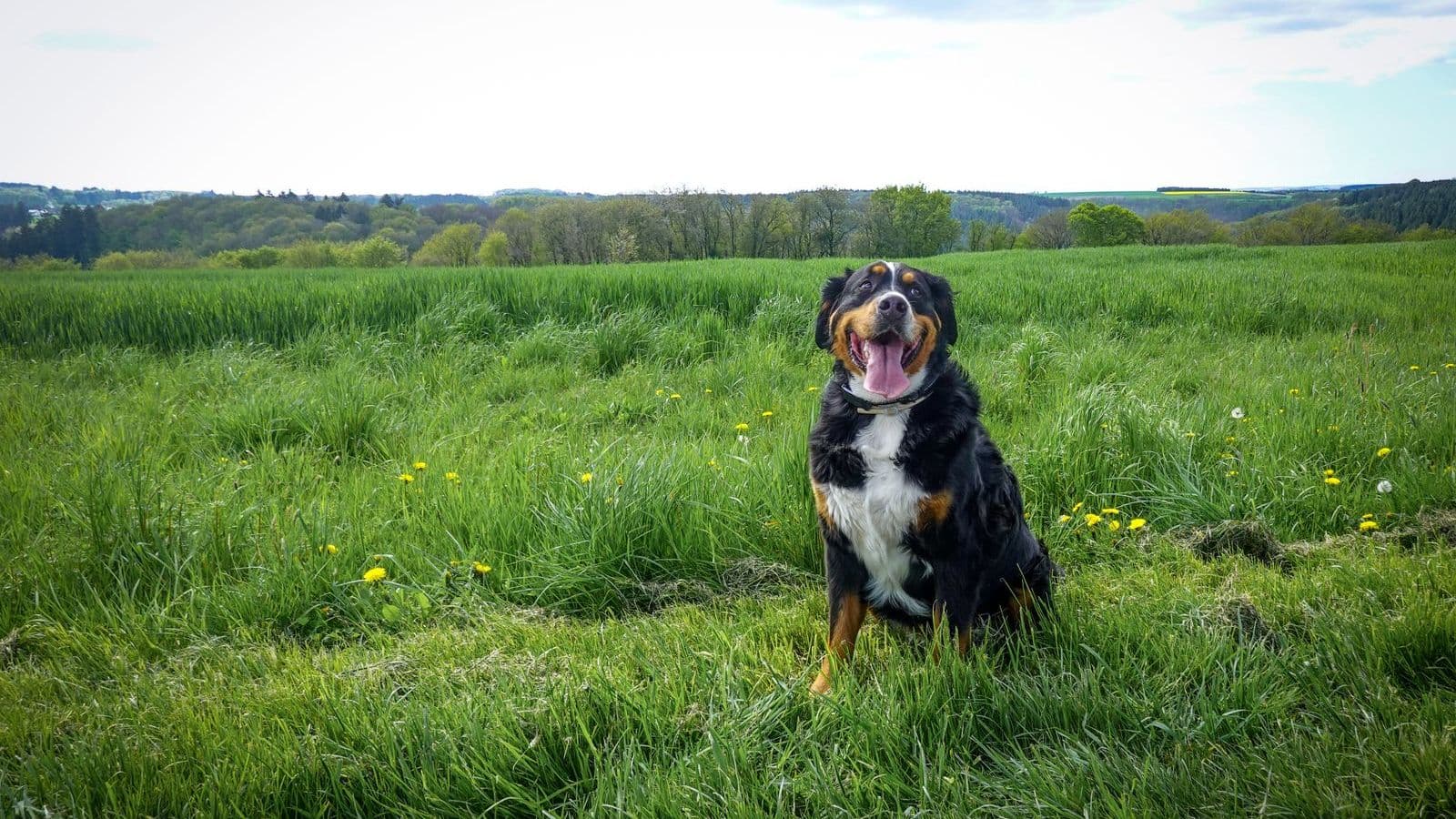
Bernese Mountain Dogs are gentle, eager-to-please giants, genuinely among the easiest large breeds to train. But the same three facts that define the breed, the size, the sensitivity, and the orthopedic vulnerability, mean that specific mistakes carry outsized consequences. A 100-pound dog magnifies every unaddressed habit, and the breed's joint genetics make the first 18 months genuinely decisive in a way most owners never hear about until it is too late.
Almost every Berner problem traces to one of two roots : rushing the growing body, or skipping the training because the dog seems so calm. Here are the seven mistakes that cause the most trouble, why they matter more for this breed than most, and what to do instead.
1. Waiting to start training
A Berner reaches 70 to 115 pounds, and every behavior not addressed in puppyhood arrives at full size with the dog. Jumping is cute at 15 pounds and hospitalizes a grandparent at 100. Pulling is a nuisance from a spaniel and a dislocated shoulder from a Berner. The window matters because you can physically manage a small puppy while you install the manners; once the dog outweighs half the household, every lesson is negotiated with mass. Start at eight weeks : greetings, leash basics, handling, settle. The goal is simple, the habits must be finished before the dog is.
2. Over-exercising during growth
This is the mistake with permanent consequences. Berners are a large, fast-growing breed with a strong predisposition to hip and elbow dysplasia, and their growth plates do not close until 18 to 24 months. Until then, high-impact activity does lasting damage :
- No running on pavement or other hard surfaces.
- No repetitive stair climbing as exercise.
- No jumping from cars, furniture, or agility equipment.
- No forced long-distance jogging, however happily the puppy trots.
What growing Berners need instead is free play on grass at their own pace, sniffy walks, and mental work. The five-minutes-per-month-of-age guideline for structured exercise is a sane ceiling. Owners who treat the big puppy as a hiking partner at eight months are spending joint health the adult dog will never get back.
3. Allowing jumping and leaning
Berners lean their whole weight into people as affection and jump to greet, and both are adorable right up until the dog weighs as much as a teenager. A full-grown Berner's greeting can knock over a child or an elderly relative without any bad intent. The habit is nearly impossible to undo at maturity and easy to prevent early :
- Four paws on the floor is the only greeting that earns attention.
- Jumping makes people turn away, silently, every single time.
- Teach an alternative : sit-to-greet, rewarded generously.
- Manage the lean : it is fine invited, on cue, against a braced adult, and not otherwise.
Set the boundary while the dog is liftable, and the giant adult defaults to safe manners.
4. Harsh handling of a soft-natured giant
The Berner's imposing size misleads people into handling it firmly, and the breed's genuinely soft temperament makes that a costly error. Harsh corrections distress a Berner visibly : the dog wilts, disengages, or becomes anxious, and an anxious 100-pound dog is far harder to live with than an exuberant one. There is no version of this breed that requires force, its defining trait is willingness. Use reward-based methods exclusively, keep the tone warm, celebrate the tries, and the Berner's natural eagerness carries the training. Kindness is not the soft option here. It is the effective one.
5. Skipping socialization
Beneath the teddy-bear image, the Berner is a guardian-heritage farm breed, and an under-socialized guardian giant can become fearful or reactive, which is serious at this scale. Owners assume the famously gentle nature needs no shaping, but gentle genetics still need exposure to become gentle behavior. During the 8-to-16-week window, bank calm positive experiences : varied people, sensible dogs, town environments, surfaces, sounds, and lots of handling (paws, ears, mouth), which also pays off across a decade of grooming and vet care for a dog this large. The confident, unflappable Berner everyone loves is made in those eight weeks.
6. Under-training because the dog is calm
The breed's mellowness is a trap. Owners look at the placid puppy dozing through chaos and conclude training is optional, and then discover that an untrained 100-pound dog is a problem regardless of how sweet its intentions. Calm is a temperament, not a skill set : it does not include loose-leash walking, recall, stay, or door manners, all of which must be installed deliberately.
Train the easygoing Berner exactly as thoroughly as you would a demanding breed, short daily sessions, real curriculum, leash skills as a priority given the physics involved. The mellow nature then becomes what it should be : a bonus on top of trained manners, not a substitute for them.
7. Ignoring heat sensitivity
Berners wear a thick black double coat engineered for Swiss alpine winters, and it works against them everywhere warmer. The breed overheats quickly and quietly : heavy panting, slowing, seeking shade are already late signals. In warm weather, train and exercise in the cool early morning or evening, keep sessions short, provide water and shade always, and swap exertion for indoor mental work on hot days. Never leave a Berner in a car or a sun-exposed yard in summer. Heat management is not pampering with this coat, it is basic safety, all year round in warm climates.
What works with Bernese Mountain Dogs
Start the manners at eight weeks, protect the growing joints like the investment they are, forbid jumping and uninvited leaning from day one, socialize heavily, use only gentle methods, train thoroughly despite the calm, and respect the coat in warm weather.
The common thread is taking the willing giant seriously : train young, guard the body, and never let the sweetness talk you out of the work. Owners who do this get one of the most magnificent family dogs in existence, devoted, patient, and safe around everyone. Owners who skip it get 100 sweet, unmanageable pounds.
TailorPup's Berner plan front-loads the manners that matter most at giant scale, structures every week of exercise around the growth-plate timeline, and runs on the gentle, reward-based sessions the breed needs.
Frequently Asked Questions
Are Bernese Mountain Dogs easy to train?
Yes, they are eager to please, food-motivated, and soft-tempered. The risk is not difficulty, it is complacency : the calm nature convinces owners to skip work that a 100-pound dog absolutely needs.
How much exercise does a Berner puppy need?
Less structured exercise than most owners think : free play on soft ground, short sniffy walks, and mental work, roughly five minutes of structured activity per month of age. No pavement running, stairs, or jumping until growth plates close at 18 to 24 months.
Why does my Bernese lean on everyone?
It is the breed's signature affection, a full-body contact habit from its farm-companion history. Enjoy it on your terms : invite the lean on cue for people who want it, and train a polite sit-greeting as the default for everyone else.
Do Bernese Mountain Dogs do well in hot weather?
Poorly. The alpine double coat traps heat, and Berners overheat fast in warm conditions. Cool-hours exercise, water, shade, and indoor brain work through summer are part of responsible ownership of this breed.
Start your Bernese Mountain Dog's plan at tailorpup.com →
Related: How to Train a Bernese Mountain Dog · Leash Pulling · Recall Training